Robots in Classrooms: How AI Tutors & Classroom Robots Are Going Viral Worldwide in 2026
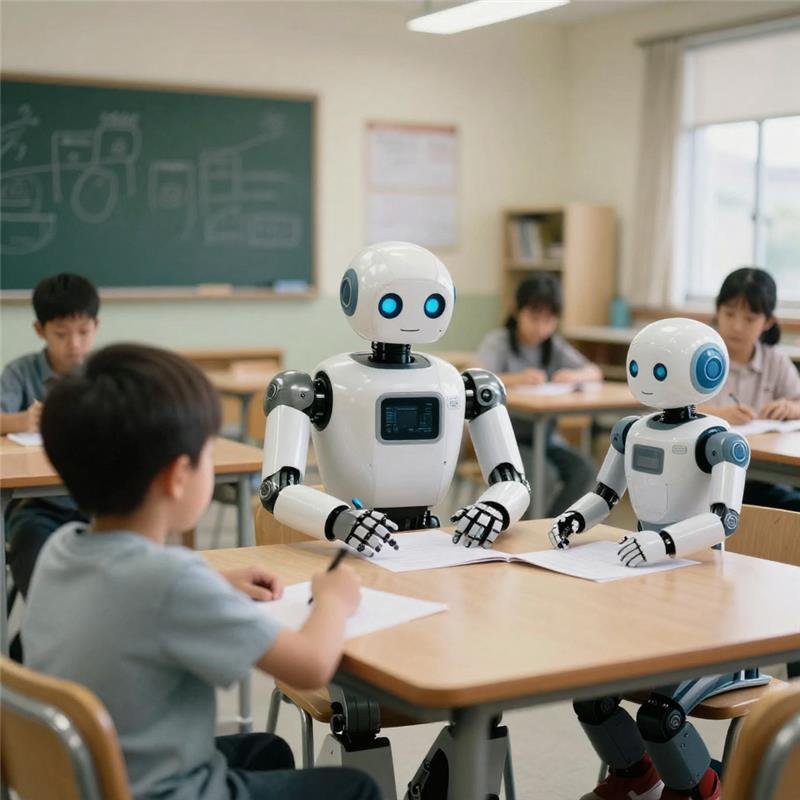
Imagine a classroom where a friendly robot walks between desks, helping students with math problems, while an AI tutor on every tablet explains science concepts in the students’ own language and at their own pace. This isn’t science fiction anymore — in 2026, AI tutors and classroom robots are going viral in schools across the globe, turning traditional classrooms into smart, interactive learning hubs.
The Rise of the AI Tutor
AI tutors are no longer just chatbots or simple quiz apps; they’ve evolved into intelligent, adaptive learning companions that know each student’s strengths, weaknesses, and learning style. Platforms like Squirrel AI in China and Claned in Finland use machine learning to create personalised learning paths, adjusting difficulty in real time and giving instant feedback.
In the US, over half of K–12 schools now use at least one AI-powered learning platform, while countries like South Korea and Singapore have made AI literacy part of the national curriculum. These AI tutors help students practice math, language, and coding, and they even support teachers by auto‑grading assignments and suggesting lesson plans.
Robots as Teaching Assistants
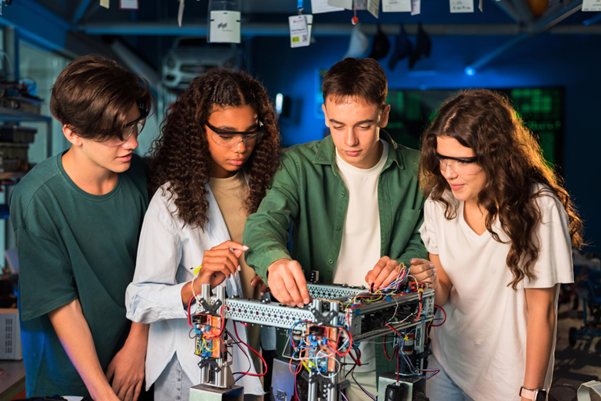
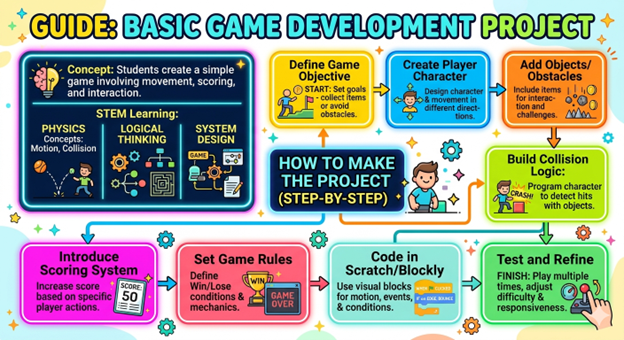
Alongside AI tutors, physical robots are stepping into classrooms as teaching assistants and STEM demonstrators. In Japan and South Korea, humanoid robots help teach English and basic coding, while in the US and Europe, smaller robots guide students through block‑based coding, robotics, and teamwork exercises.
These classroom robots do more than just entertain; they explain concepts step by step, track student progress, and adapt lessons to individual needs. For example, a robot might walk a student through a coding challenge, then switch to a simpler explanation if the student is struggling, making complex STEM topics easier to grasp.
Why Schools Are Embracing This Trend
Schools are adopting AI tutors and classroom robots because they solve real problems: large class sizes, varying learning levels, and teacher workload. Pilot programs in Finland and the US show that when AI tutors are used well:
- Math and science proficiency improve significantly.
- Teacher stress goes down as routine tasks like grading are automated.
- Parent engagement increases because they can see real‑time progress reports.
Governments and ed‑tech companies are investing heavily, with the global AI in education market expected to reach over $110 billion by 2034. The focus is on blended learning: AI and robots support human teachers, not replace them, creating a “co‑pilot” model where teachers focus on mentoring and creativity.
What This Means for Indian Schools & MakersMuse
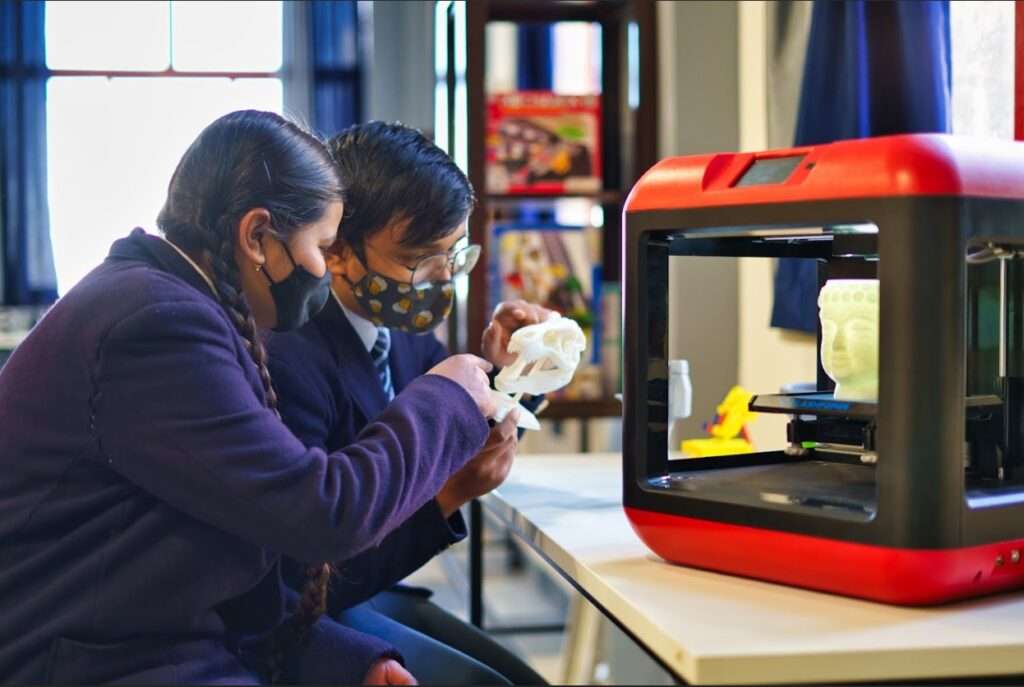
For Indian schools and STEM educators, this global trend is a powerful signal: the future of education is AI‑enabled and hands‑on. Atal Tinkering Labs and robotics clubs can prepare students by:
- Introducing simple AI tutors and chatbots for coding and math practice.
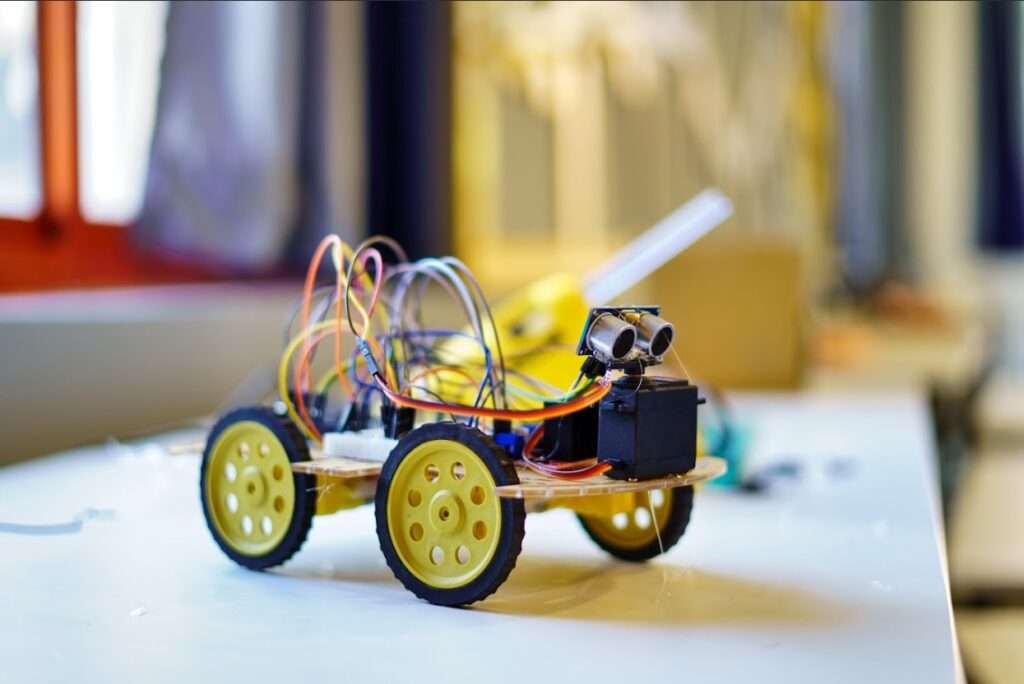
- Using classroom robots to teach AI, robotics, and design thinking.
- Creating projects where students build their own mini‑AI tutors or smart classroom assistants.
For MakersMuse, this is a golden opportunity to create viral content: “Top 5 AI Tutors in Schools 2026,” “How to Build a Classroom Robot,” and “AI + Robotics Projects for Indian Schools.” By showing how global trends connect to local classrooms, MakersMuse can inspire teachers and students to embrace the AI‑powered classroom revolution.