CBSE Unveils Draft AI Curriculum for Classes 3-12: Computational Thinking to Be Taught Early
India’s education landscape is on the brink of a digital revolution, as the Central Board of Secondary Education (CBSE) unveils a groundbreaking draft Artificial Intelligence (AI) and Computational Thinking (CT) curriculum for students from Classes 3 to 12. Set to roll out from the academic year 2026-27, this ambitious initiative aims to make AI and computational thinking as fundamental as reading and numeracy, positioning India at the forefront of global educational innovation.
A Curriculum for the Future
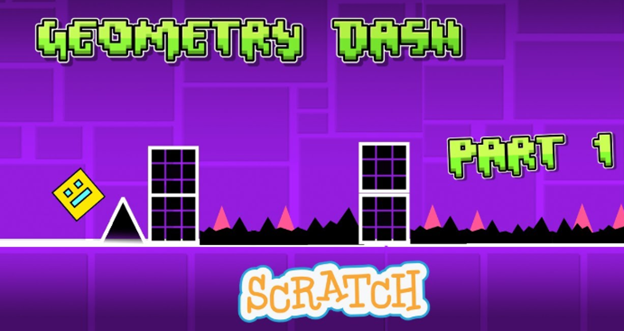
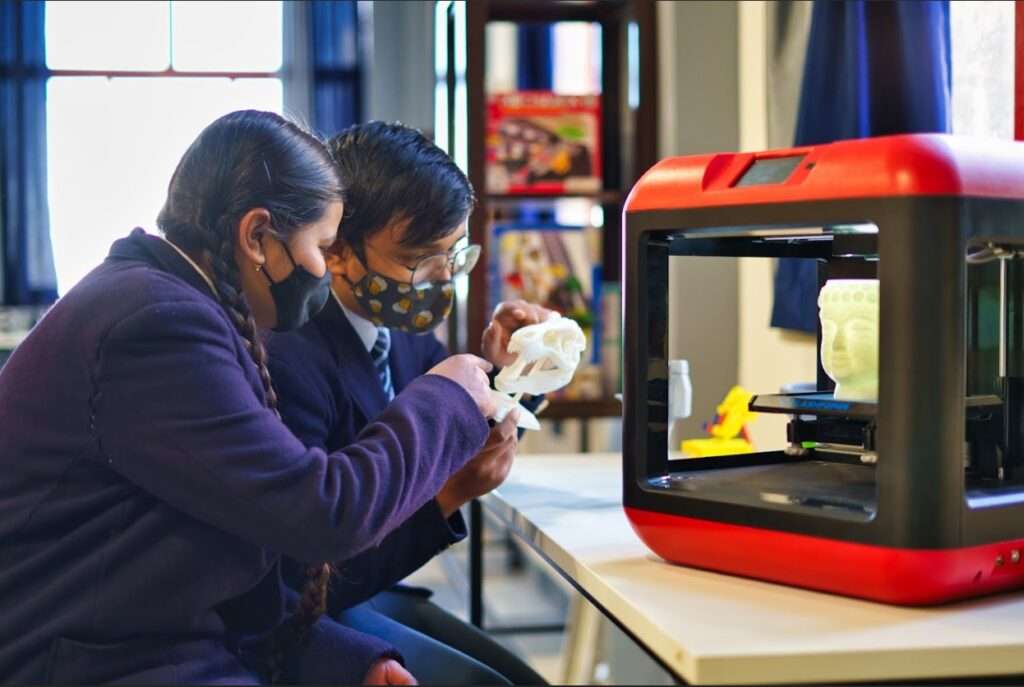
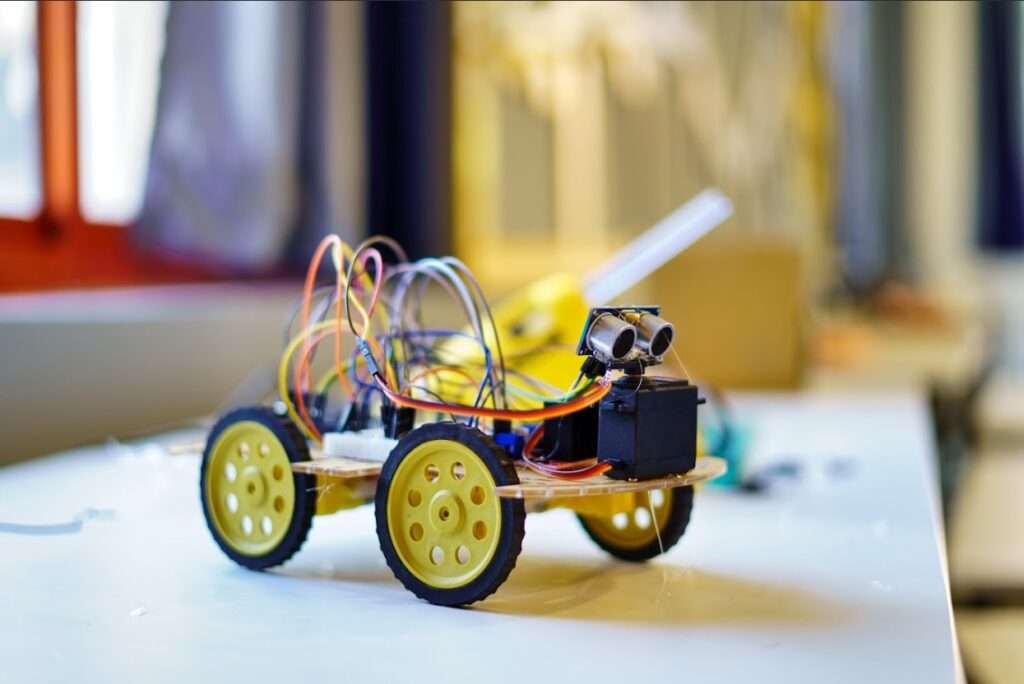
The new AI curriculum is carefully designed to be age-appropriate and progressively structured. For Classes 3 to 5, computational thinking will be integrated into subjects like Mathematics, Languages, and “The World Around Us,” using puzzles, games, and simple coding exercises to teach logical sequencing and pattern recognition. In Classes 6 to 8, students will explore foundational AI concepts through interactive projects, presentations, and reflective journals, fostering a hands-on approach to learning. In classes 9 to 10, AI and CT become compulsory subjects, with practical programming and problem-solving using AI tools. In Classes 11 to 12, students can opt for advanced AI and machine learning as elective specialisations, diving into algorithms and real-world applications.
Why This Matters
Embedding AI and computational thinking from such an early stage transforms how students engage with technology. Instead of merely using digital devices, students will learn to think critically, solve problems, and create solutions. The curriculum is aligned with the National Education Policy (NEP) 2020 and the National Curriculum Framework for School Education (NCF-SE) 2023, ensuring a holistic and balanced approach that combines technology with creativity and ethics.
Implementation and Teacher Training
A phased rollout is planned, with resource development—including handbooks and digital modules—targeted for completion by December 2025. Structured, grade-wise teacher training will be provided through NISHTHA and partner institutions to ensure smooth classroom implementation. The collaborative teaching model involves subject teachers in lower grades and computer science teachers in higher grades, making the curriculum accessible and effective for all students.
Building Responsible Innovators
The curriculum emphasises not just technical skills, but also ethical considerations and the concept of “AI Evolution for Public Good.” By teaching students to approach challenges systematically and responsibly, CBSE is nurturing a generation of innovators who can use technology to address real-world problems. The initiative is a significant step towards creating tech-literate citizens, ready to shape a future where AI serves humanity.
With this visionary move, CBSE is not just updating a syllabus—it’s reimagining education for a digital age, ensuring every student has the opportunity to become a critical thinker, problem-solver, and responsible innovator in the world of tomorrow.