CBSE Announces STEM Education as Annual Training Theme for 2025
CBSE’s decision to announce STEM education as the Annual Training Theme for 2025 marks a clear message to schools across India: the future classroom must be hands-on, inquiry-driven, and rooted in real-world problem-solving. This is not just another circular; it is a roadmap for how teachers will teach and how students will learn in the coming years. For principals, coordinators, and educators, 2025 is shaping up to be the year where STEM moves from being a “nice-to-have club activity” to the backbone of everyday teaching.
Under this initiative, CBSE is placing a strong emphasis on structured teacher development through dedicated training programmes focused on STEM pedagogy. The board has aligned this theme with its broader shift toward competency-based education, where students are expected to apply concepts rather than memorise them. Workshops, modules, and online training sessions are being designed to help teachers integrate science, technology, engineering, and mathematics into multidisciplinary, activity-based learning experiences.
A key highlight of the 2025 theme is the focus on practical, classroom-ready strategies. Instead of offering only abstract theory, the training is expected to cover lesson designs, low-cost experiments, project-based learning ideas, and ways to use everyday materials to explain complex concepts. Teachers will be encouraged to create inquiry-based lesson plans—where a simple question or riddle can open up an entire concept in physics, maths, or computer science. This approach supports the development of critical thinking, collaboration, and creativity, all central to CBSE’s evolving assessment patterns.
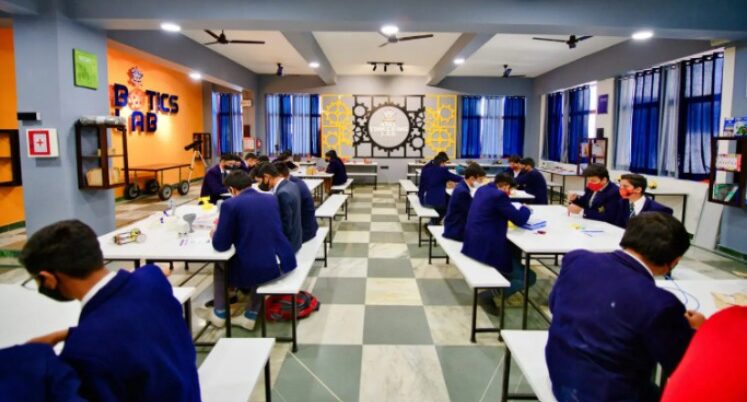
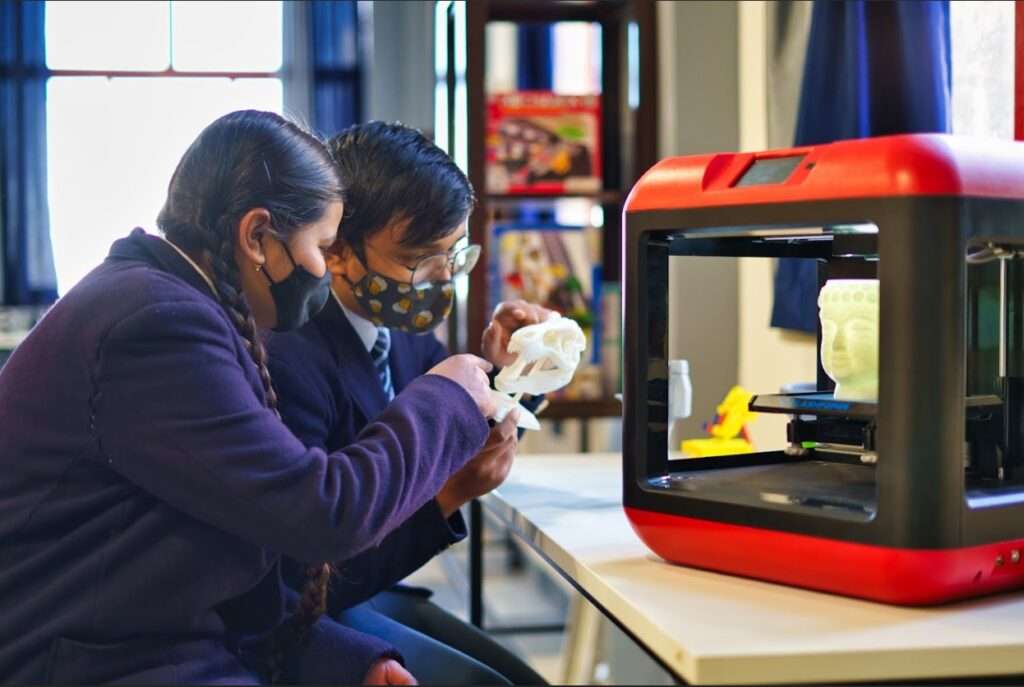
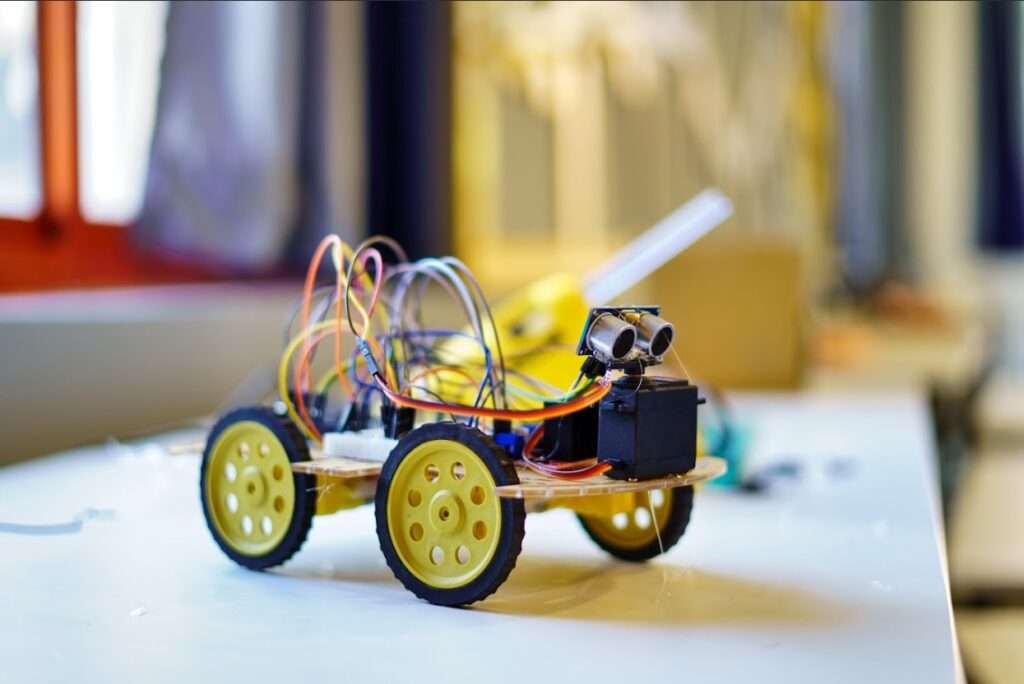
For schools, this theme is a direct nudge to rethink their timetable, infrastructure, and culture. Managements are likely to be encouraged to strengthen labs, maker spaces, and innovation corners, aligning with India’s broader push for tinkering labs and experiential learning. Many schools may use this as an opportunity to formalise STEM clubs, robotics teams, coding periods, and interdisciplinary projects that culminate in exhibitions and competitions. This alignment also supports the growing ecosystem of Atal Tinkering Labs and similar innovation spaces, where students learn by building and experimenting rather than just reading.
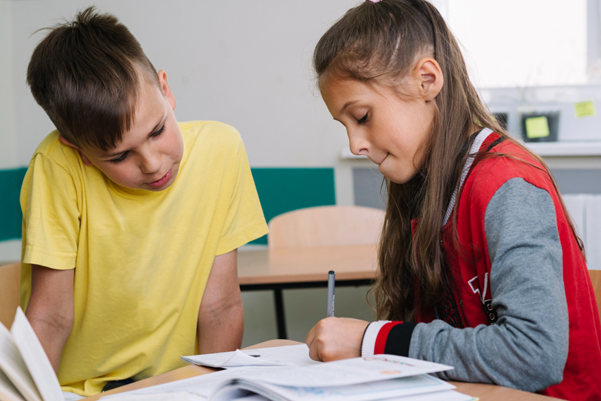
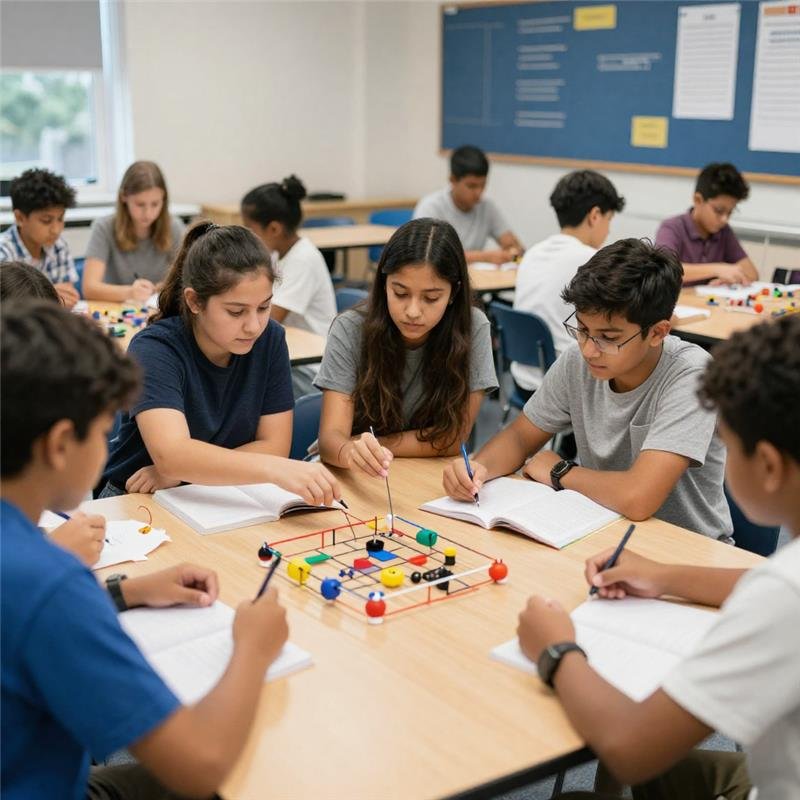
At the classroom level, the impact on students could be significant. As teachers undergo STEM-focused training, learners can expect more interactive sessions: group challenges, design tasks, mini-research projects, and real-world problem scenarios drawn from local contexts. Instead of treating science and maths as separate silos, students might work on integrated tasks—like designing a water-saving model that uses principles from physics, environmental science, and basic programming. Such experiences not only prepare them for future careers in technology and engineering but also build confidence in tackling unfamiliar problems.
This theme also fits neatly with CBSE’s ongoing reforms to make assessments more competency-based and less dependent on rote learning. As classroom practices become more application-oriented, schools will find it easier to prepare students for new-style question papers that demand reasoning, data interpretation, and conceptual clarity. For parents, this shift may be visible in the kind of homework, projects, and school events their children bring home—more models, prototypes, and problem-solving tasks, and fewer drill-based worksheets.
For platforms like MakersMuse and the wider STEM education community, CBSE’s announcement opens up a year-long opportunity to support schools with resources, teacher guides, student challenges, and curated projects that align with the 2025 training focus. Story-driven STEM content, ready-to-use classroom activities, and school-friendly innovation challenges will be in high demand as educators look for practical ways to translate this theme into daily practice. In essence, CBSE’s 2025 STEM training theme is not just a policy direction—it is an invitation to transform Indian classrooms into creative, problem-solving hubs where every child gets a chance to think, tinker, and innovate.