Union Budget 2026 Boosts Education Funding with Strong Focus on STEM and Future Jobs
The Union Budget 2026–27 has placed a strong emphasis on strengthening India’s education system, particularly in science, technology, engineering, and mathematics (STEM). With a total allocation of approximately ₹1,39,289 crore for the education sector, the budget reflects an 8.27% increase compared to the previous year, highlighting the government’s commitment to building a knowledge-driven and innovation-focused economy. The budget aims to align education more closely with employment opportunities, technological advancements, and the country’s long-term development goals.
A significant portion of the funding has been directed toward improving higher education infrastructure and strengthening state universities. The government has allocated ₹1,850 crore specifically to support state universities, helping them enhance research capabilities, infrastructure, and academic programs. In addition, the budget proposes the development of five university townships along major industrial corridors. These townships are expected to bring together universities, research institutions, skill development centres, and residential facilities in one integrated ecosystem, promoting collaboration between academia and industry.
The budget also prioritizes school education and literacy. The Department of School Education and Literacy received its highest-ever allocation of ₹83,562 crore, which represents a significant step toward improving foundational learning, digital education infrastructure, and teacher training programs. Institutions such as Kendriya Vidyalayas and Navodaya Vidyalayas have also received increased funding to expand access to quality education across the country.
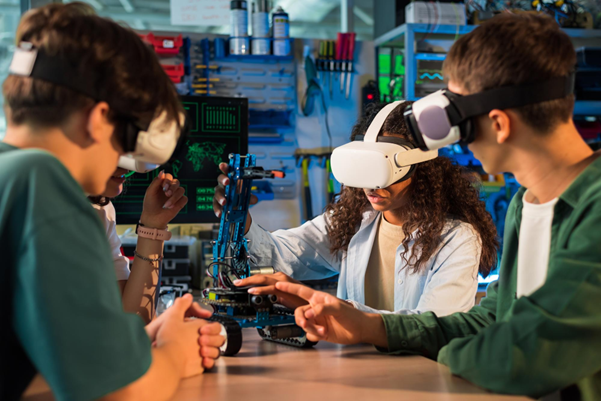
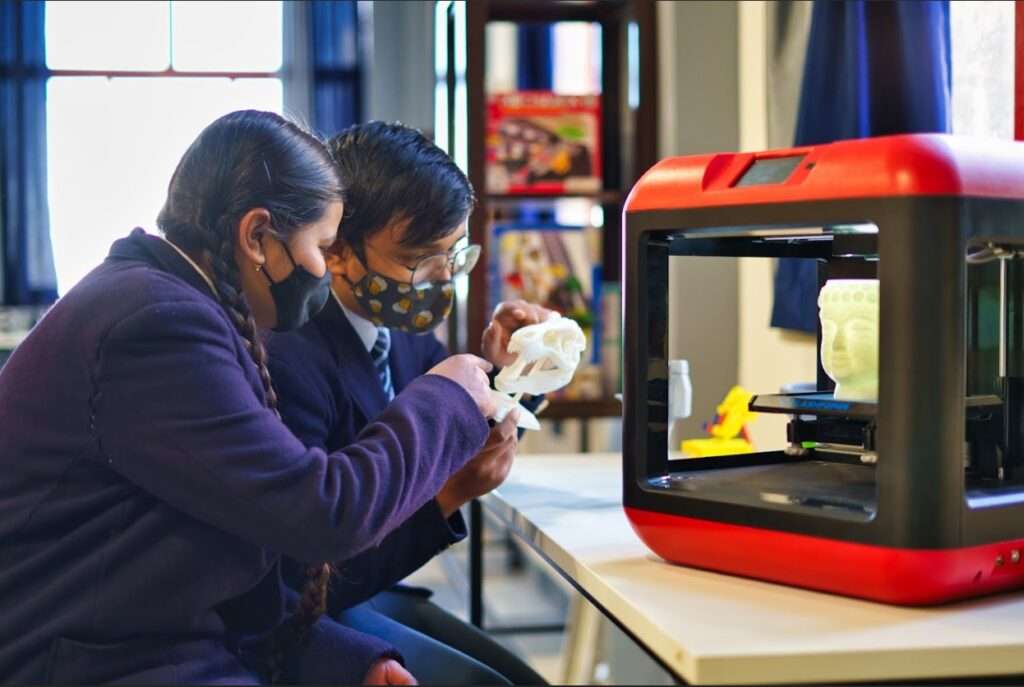
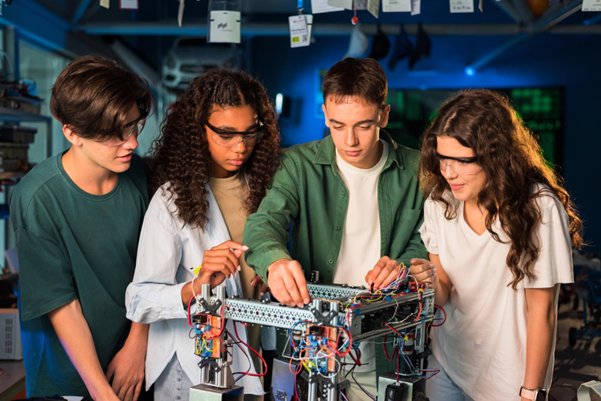
Another key highlight of the budget is its focus on increasing participation in STEM education, especially among girls. To support female students pursuing STEM courses, the government has proposed establishing one girls’ hostel in every district, ensuring safer and more accessible accommodation for students studying in science and technology institutions. This initiative is expected to encourage more young women to pursue careers in engineering, research, and other technical fields.
In addition to infrastructure and funding initiatives, the budget introduces a new “Education to Employment and Enterprise” Standing Committee. This high-powered committee will examine how emerging technologies such as artificial intelligence are shaping job markets and recommend ways to align education programs with industry needs. By focusing on skill development and employability, the government aims to prepare students for future careers in technology-driven sectors.
Overall, the Union Budget 2026 demonstrates a strategic effort to modernize India’s education system while strengthening the link between learning and employment. With increased investment in STEM education, improved infrastructure, and initiatives to promote research and innovation, the budget sets the stage for developing a highly skilled workforce capable of supporting India’s ambition of becoming a global leader in technology and knowledge-based industries.