Robots Are Now Part of Regular Schooling – Parents ‘Shocked’ as SVIS Students Build Bots in Class
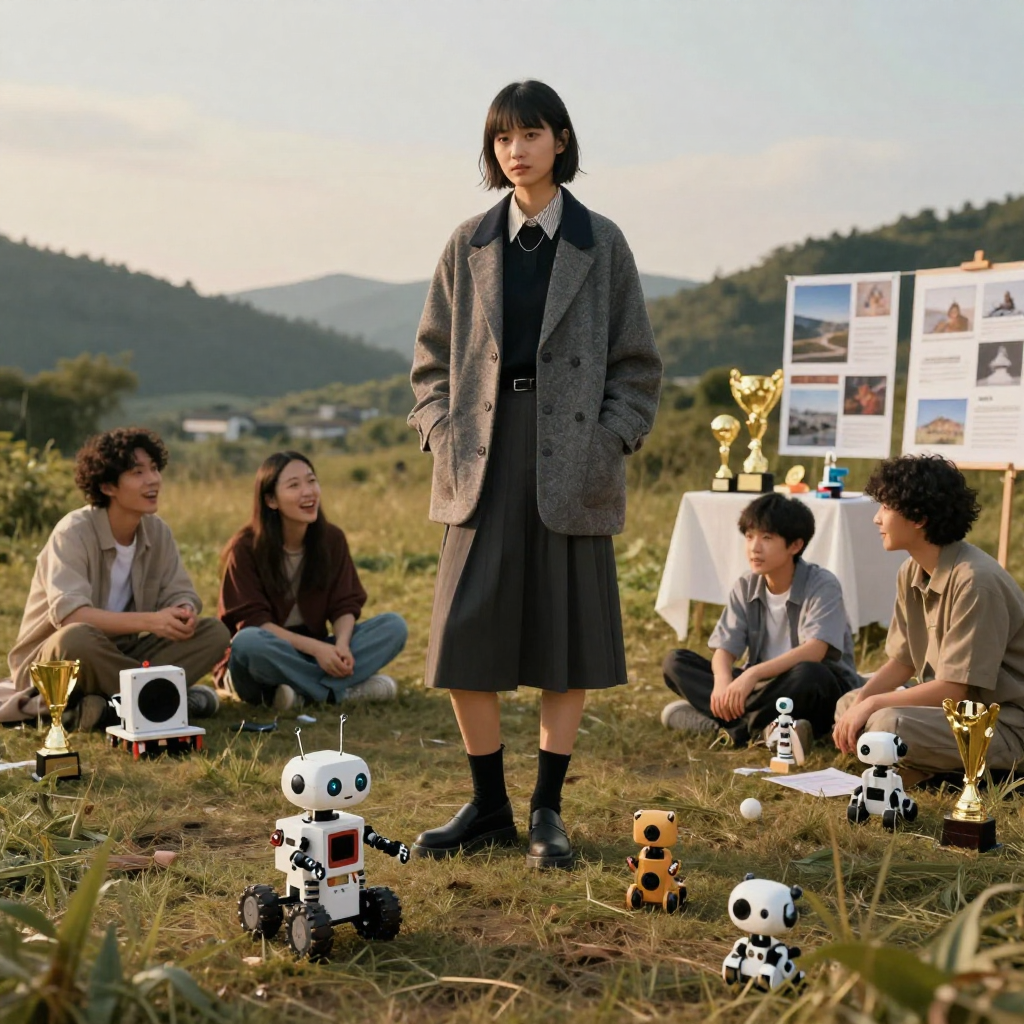
In a scene that’s leaving parents stunned and educators inspired, students at Swami Vivekanand International School (SVIS), Mumbai, are no longer just reading about robots — they’re building them as part of their regular school day.
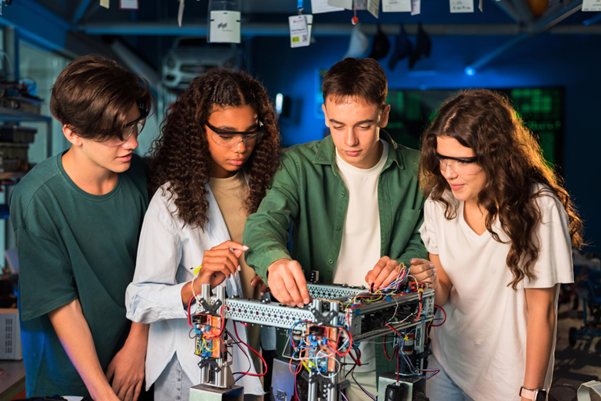
At a time when many schools still treat technology as something separate — a lab period, a club, or an after‑school activity — SVIS has made robotics, coding, and innovation a core part of classroom learning. Inside the school’s state‑of‑the‑art AeroBay Innovation Lab, students from middle and high school are designing, building, coding, and testing real robots, drones, and smart systems, turning abstract concepts into tangible creations.
From Textbooks to Real‑World Tech
What makes SVIS stand out is that robotics isn’t an “extra” — it’s woven into the academic curriculum. Students aren’t just playing with kits; they’re:
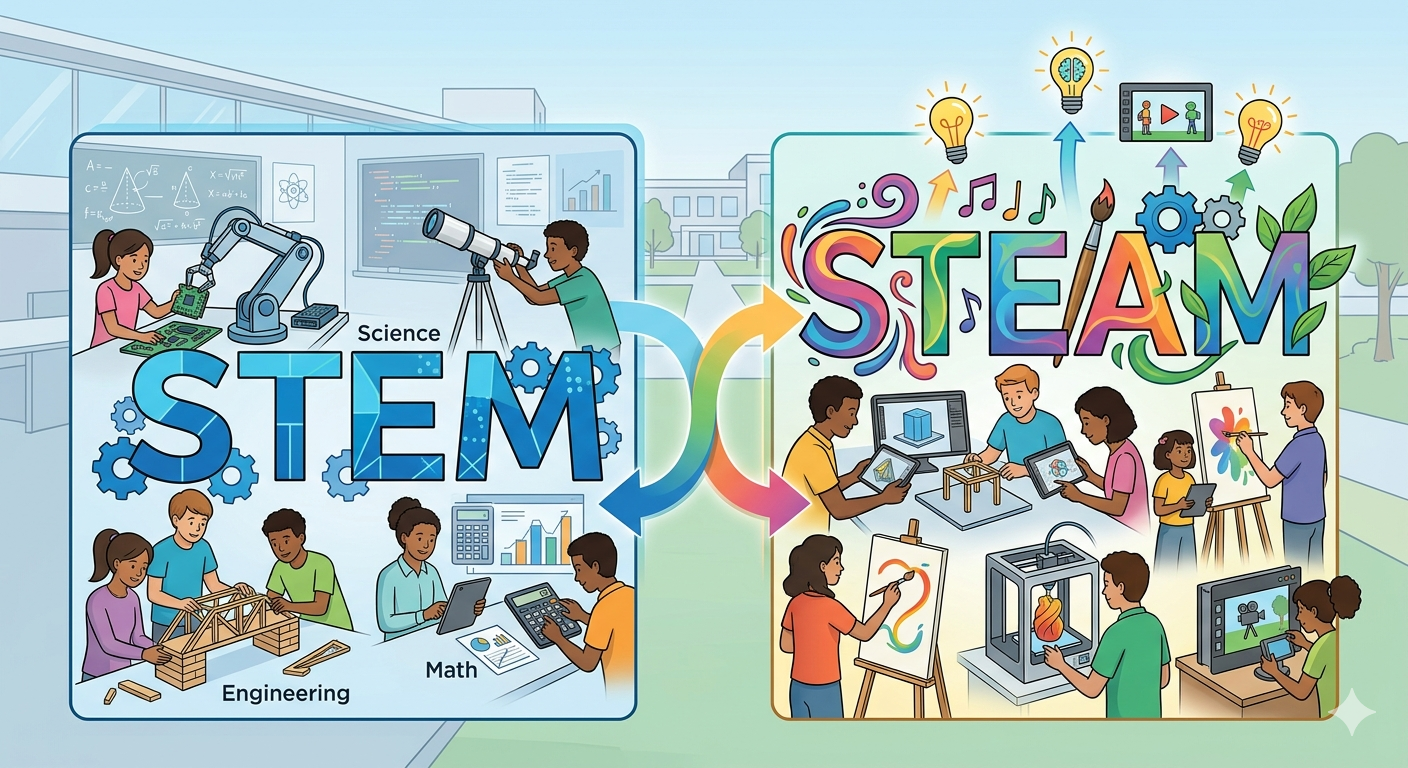
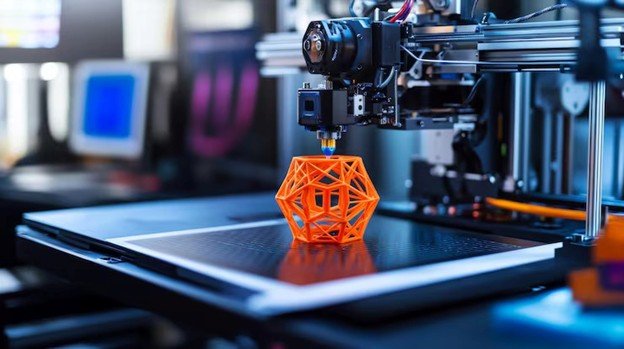
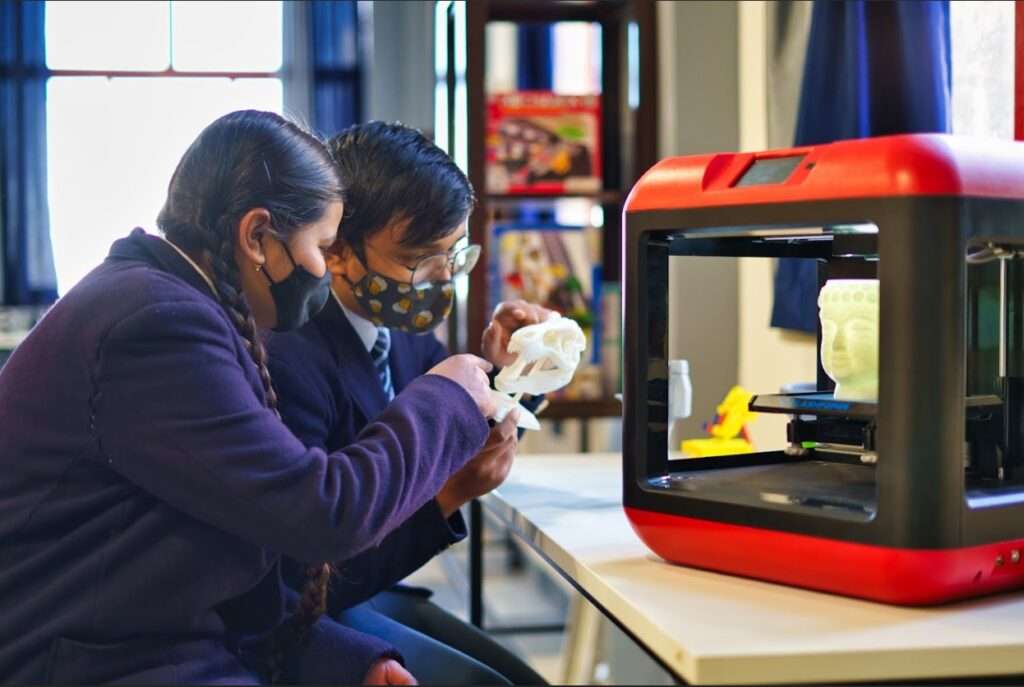
- Designing and 3D‑printing robot parts using tools like Tinkercad and Fusion.
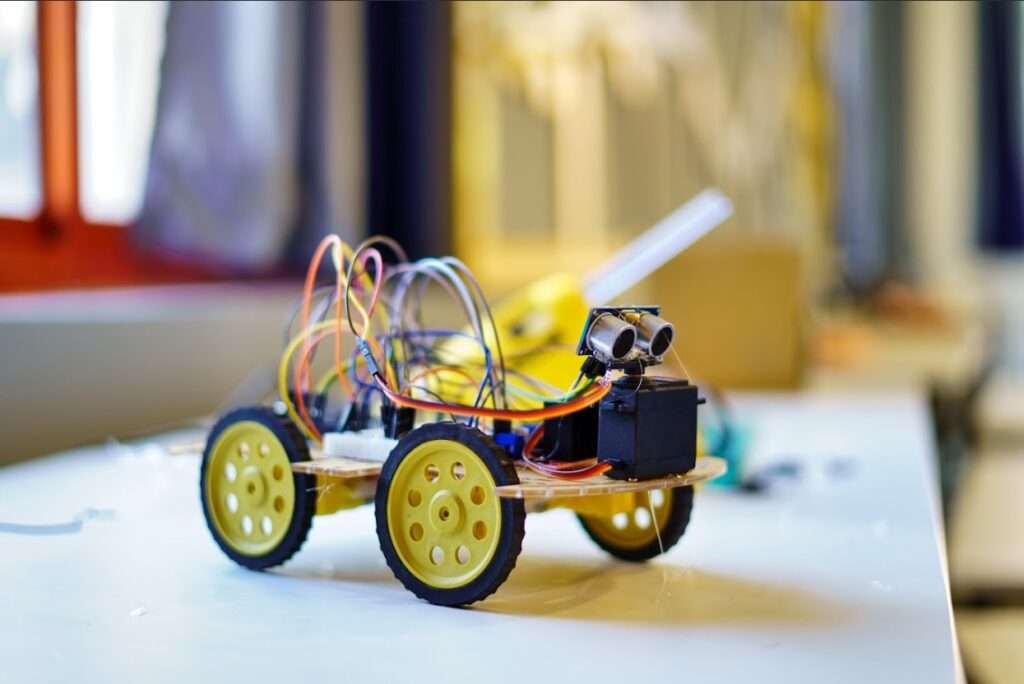
- Building small robots with motors, sensors, and microcontrollers.
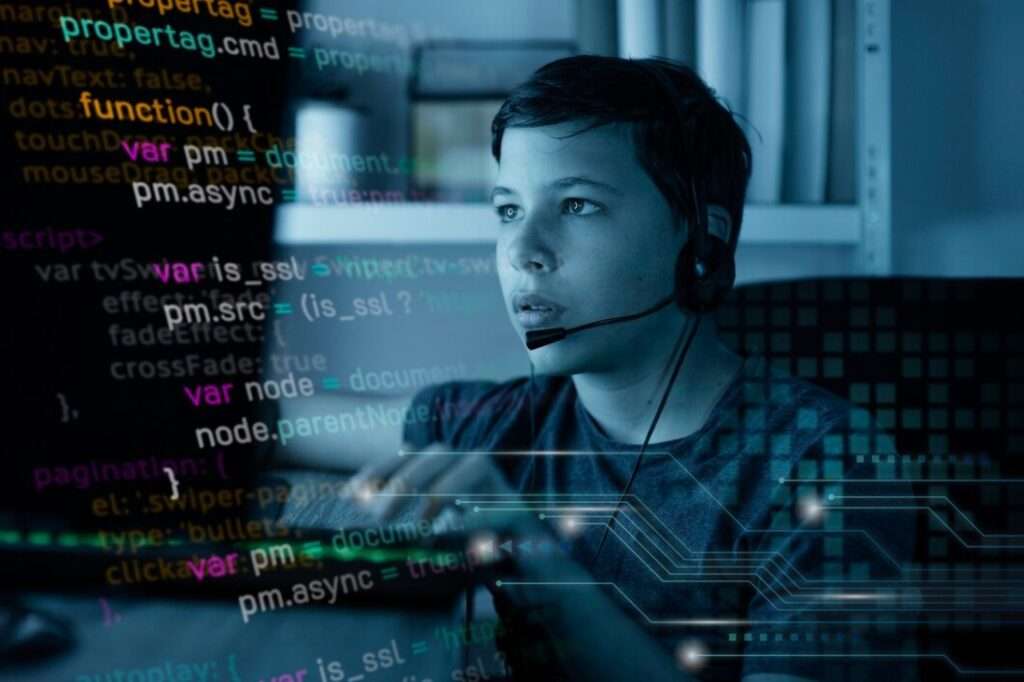
- Learning programming with Scratch, basic Python, and Arduino.
- Exploring electronics, IoT automation, AI fundamentals, and drone technology.
For many parents, this is a revelation. They’re used to seeing technology limited to smartboards and screens, but at SVIS, kids are doing what many college students only dream of: creating working prototypes, smart lighting systems, and even AI‑based projects as part of regular schooling.
Why Parents Are “Shocked”
The word “shocked” keeps coming up — not in a negative way, but in awe. Parents are amazed because:
- Their children are learning advanced skills like coding, circuitry, and product design in school, not in expensive external coaching.
- Students are solving real‑world problems — from smart traffic systems to eco‑friendly city models — in projects like the OLL Robotics Exhibition, where the campus turns into a buzzing tech zone.
- An internal survey shows that a majority of SVIS students do not need additional tuition because the classroom teaching and hands‑on labs build deep conceptual understanding.
One parent put it simply: “I thought robotics was for competitions or hobby classes. Here, it’s just another class — and my child is building robots like it’s normal.”
How SVIS Makes It Work
SVIS’s success comes from a clear philosophy: education must go beyond textbooks. The school’s 4P framework — Pass Percentage, Performance, Efficiency, and Personality — ensures that every student grows academically, technically, and personally.
Key elements of their model:
- Innovation Lab as a Classroom: The AeroBay Innovation Lab is treated like any other subject lab, with structured modules in robotics, AI, IoT, and product design.
- Curriculum Integration: Robotics and coding are linked to Maths, Science, and Computer Science, so students see how theory applies in real-world builds.
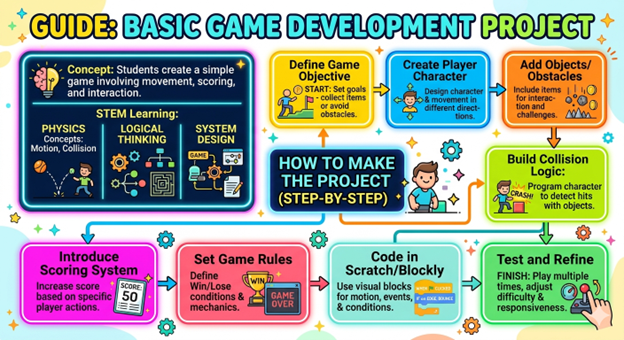
- Project‑Based Learning: Students work on projects like smart cities, automation systems, and AI applications, developing problem‑solving, teamwork, and creativity.
This approach has paid off: SVIS has maintained a 100% pass rate in ICSE for over a decade, with more than 70% of students achieving distinctions and subject exemptions.
What This Means for Indian Schools
The SVIS story is a powerful proof point for schools across India:
- Robotics and AI don’t need to be “elite” or “extra” — they can be part of regular schooling.
- When labs are integrated with academics, students perform better in exams and are more confident in practical skills.
- Parents are ready to embrace this change — they’re not just accepting it, they’re celebrating it.
For ATLs, STEM labs, and school leaders, the message is clear: the future of education isn’t just about digital classrooms — it’s about making, building, and innovating as part of everyday learning.
The Bigger Picture: Education That’s Built, Programmed, and Brought to Life
What SVIS is doing is more than a robotics programme — it’s a new definition of school. Education here isn’t just about memorising and writing exams; it’s about designing, coding, testing, and bringing ideas to life.
And that’s why, when parents say they’re “shocked,” what they really mean is: “Finally, my child is learning the way the real world works.”