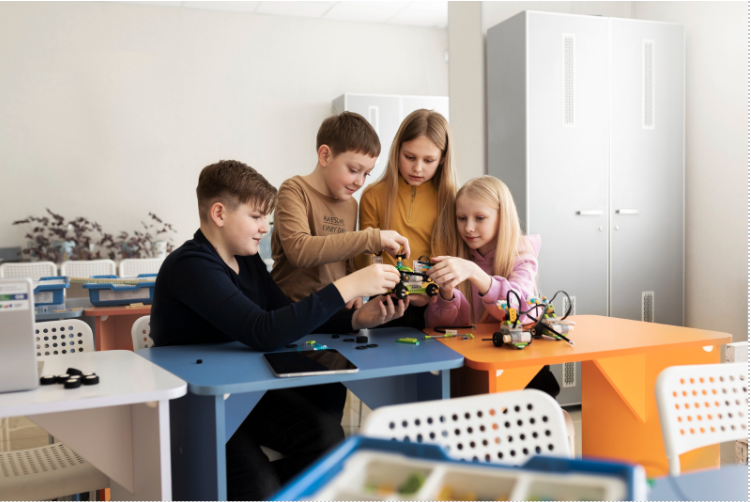
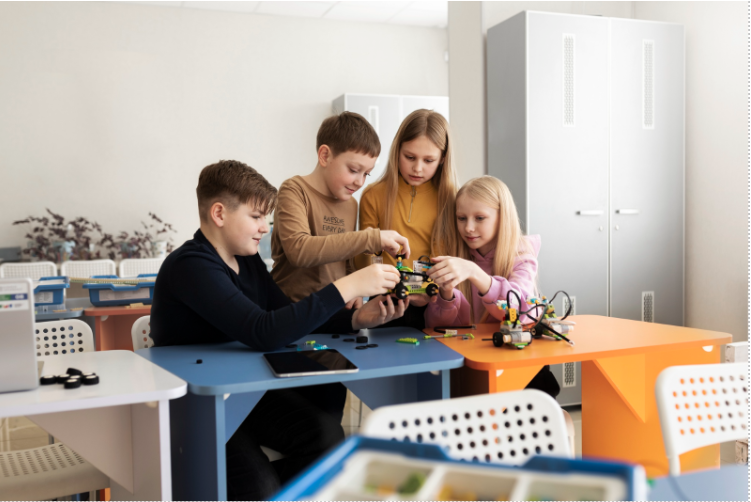
Non-microcontroller electronics projects help students learn how circuits and basic electronic components work without relying on programming or microcontrollers. By building simple hands-on projects with batteries, wires, switches, resistors, and LEDs, students can understand how electricity flows and how everyday electronic devices work.
These projects are especially useful for beginners because they focus on hands-on experimentation before introducing more advanced electronics. Students can build simple circuits, observe immediate results, troubleshoot connections, and develop a strong foundation before progressing to microcontrollers, robotics, or programming.
Introduction to Electricity and Basic Electronics
Electricity is the flow of electric charge through a conductor, usually in the form of electrons moving through a wire. It is the energy source behind lights, fans, televisions, and countless other devices used every day.
Basic electronics involves learning how to control this electrical energy using simple components such as batteries, wires, switches, resistors, and light-emitting devices. Each component has a specific role. A battery provides power, wires create a path for current, switches control the flow, and output devices show visible results.
Understanding these basics helps students realise that electronic systems are built step by step. Even the most advanced machines begin with simple electrical principles.
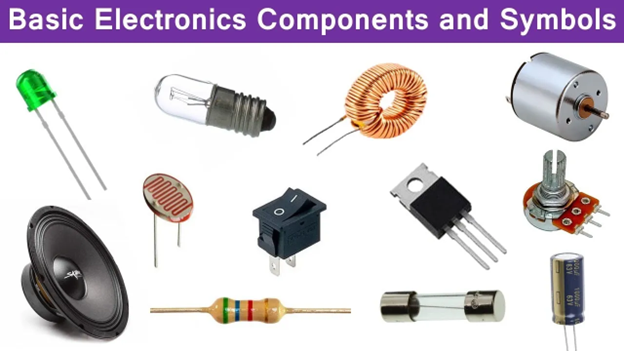
Idea of a Simple Circuit - First Step in a Robotics Program for Schools
A basic electrical system is a circuit, which consists of a power supply (i.e., battery), conductors (i.e., wire) and an electrical device. In order for electricity (current) to flow through a circuit, the circuit must be complete (i.e., have a loop).
When there is a complete loop within the circuit, current flows and the device operates; if the loop within a circuit is broken (by opening a switch or disconnecting a wire), no longer will current flow. This is why lights will go off when you turn off a switch or if you disconnect a wire.
Building simple circuits allows students to see how electricity behaves and helps them understand the importance of proper connections.
Exploring Light Control Through a Fading LED
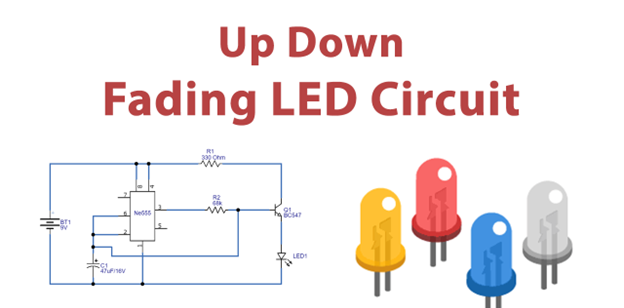
A fading LED project introduces students to the idea that brightness can be controlled, not just turned on or off. In this project, the light gradually becomes brighter and dimmer instead of changing instantly.
Controlling the flow of current to LEDs through simple electronic devices is a common technique used to create this effect. By doing so, students discover that light intensity is dependent on electrical current and very small changes to this value will produce visible results.
By completing the Fading LED Project, students will gain a better understanding of gradual changes, energy management, and the interaction between multiple types of electronic devices. This provides a better method for students to learn because of the visually interesting results created.
Building a Simple Flashlight Circuit
The flashlight project is one of the most practical non-microcontroller electronics activities. It helps students understand how everyday devices are built using basic components.
In this project, a battery supplies power, wires carry current, a switch controls the circuit, and a light source produces illumination. When the switch is turned on, the circuit is completed, and the light turns on. When the switch is turned off, the circuit breaks, and the light turns off.
This project shows students how simple ideas are used to create useful tools. It also reinforces concepts such as circuit completion, power control, and energy conversion.
Learning Through Circuit Tiles and Modular Connections
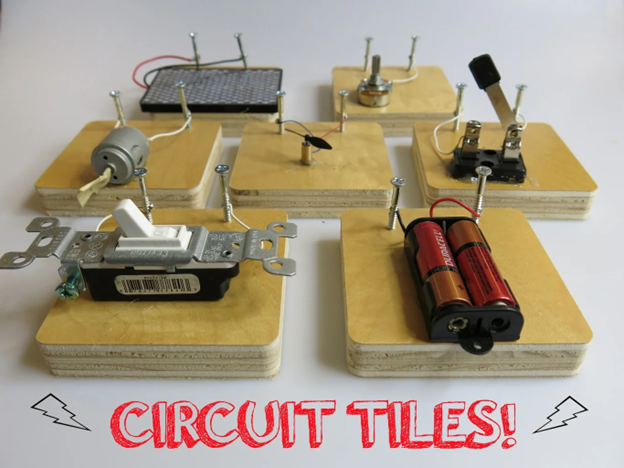
The use of circuit tiles provides an interactive method for learning about circuits without having to deal with untidy loose wires or complicated arrangements of electronic equipment. Each of the different sized and shaped circuit tiles represents a different electronic component that has a specific function of supplying power, activating switches, producing light, etc., or assisting students in connecting tiles together to create circuits that demonstrate their completed functions.
Students can see immediate results by connecting the correct tiles together to complete the desired function. This is because the circuit continues to be closed after the desired function has been completed.
This method of learning is much safer and easier for younger students to experience. It also creates an environment that encourages experimentation and allows for failure with less fear than would occur with traditional circuit-learning methods.
Developing Logical Thinking with Match-the-Pair Activities
Match the pair activities introduce electronics concepts through logical matching rather than physical wiring. In these activities, students match components with their functions or connect circuit parts correctly to complete a task.
This type of project strengthens understanding by encouraging students to think about how components relate to each other. It also helps them remember symbols, functions, and circuit behaviour.
Match the pair activities are especially useful in classrooms because they promote discussion, teamwork, and conceptual clarity before moving on to hands-on building.
Why Non-Microcontroller Projects Are Important for Students
Non-microcontroller electronics projects focus on understanding rather than programming. This makes them ideal for beginners who are new to electronics and need practical, hands-on experience before moving to more advanced projects.
Encouraging Safe and Curious Learning
The importance of safety in electronics education is paramount. Many non-microcontroller projects are powered by low voltages, allowing them to be safely completed in a classroom environment.
During their projects, students learn how to handle the individual electronic components responsibly, connect the parts correctly and diagnose problems that arise. These tasks teach students the importance of being disciplined and using careful methods when completing a project. It instills in them a sense of curiosity and desire to explore.
Through the right guidance from teachers and/or parents, students can develop and try out a question. They can also test a hypothesis and learn from their mistakes to create an enjoyable learning experience in electronics.
Connecting Electronics to Everyday Life
By understanding how the basic working principles of devices work, you can learn about the principles of electronics. For example, flashlights, switches, toys, and lamps all work with basic principles of electronics learned through basic electronic projects.
This experiential learning opportunity helps give students a real-world connection to electronics; therefore, they realize that electronics is not just an academic subject but also a daily item that they encounter in many different ways, often leading to greater overall interest(s) in science, engineering, or technology-related fields
Conclusion
Non-microcontroller electronics projects provide an excellent introduction to the world of electricity and circuits in a STEM enabled school India. By working on simple circuits, fading LEDs, flashlights, circuit tiles, and matching activities, students gain a clear and practical understanding of basic electronics
These projects focus on hands-on learning, logical thinking, and real-world relevance. They provide a live project experience for students India, building a strong foundation for future exploration in electronics and technology.