
Indian Students Drive STEM Innovation in US Labs: The New Global Creators
Indian students are rapidly becoming the backbone of STEM Education innovation across US research labs and universities. In 2024, a Stanford study revealed that over 5,300 Indian-origin scientists rank among the top 2 per cent of researchers globally, underscoring India’s growing impact in scientific discovery and technology leadership within American institutions. As the demand for science, technology, engineering, and math skills continues to rise worldwide, Indian students now make up a large segment of international talent driving these advancements in the US.
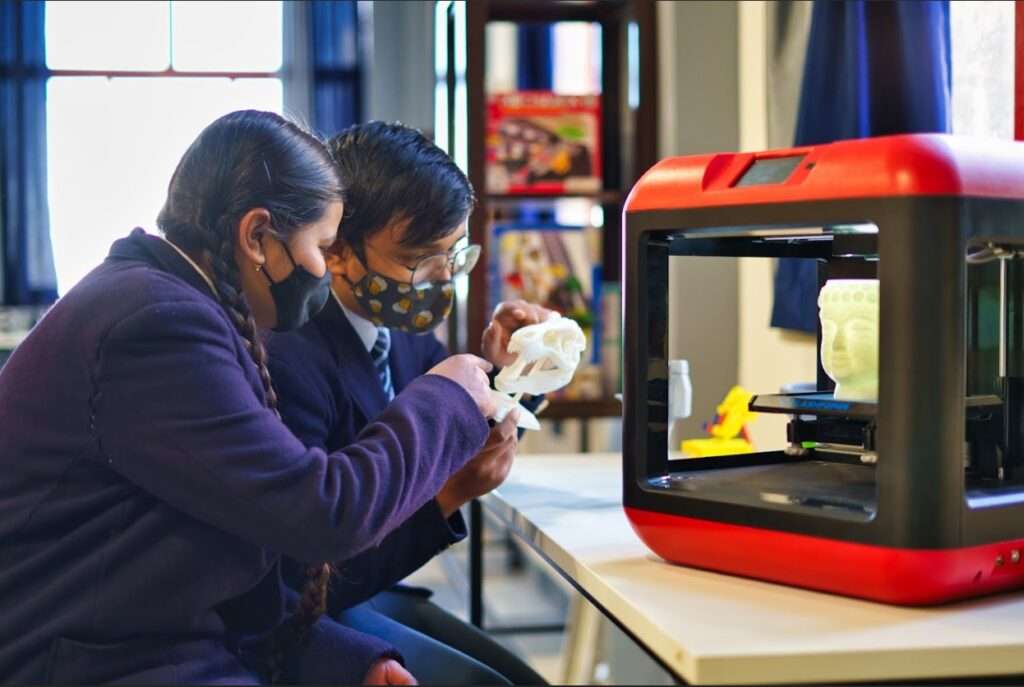
A remarkable trend is shaping both academic and commercial research: more than 50% of Indian students in the US choose STEM majors, excelling in areas such as computer science, engineering, biotechnology, and data analytics. This surge is not accidental—it reflects India’s reputation for cultivating rigorous math and engineering talent, much sought after by global technology companies and research groups. Hands-on learning, robust internship programs, and access to cutting-edge laboratories are just some of the advantages American universities offer these students, who in turn bring technical expertise, creativity, and a relentless appetite for problem-solving.
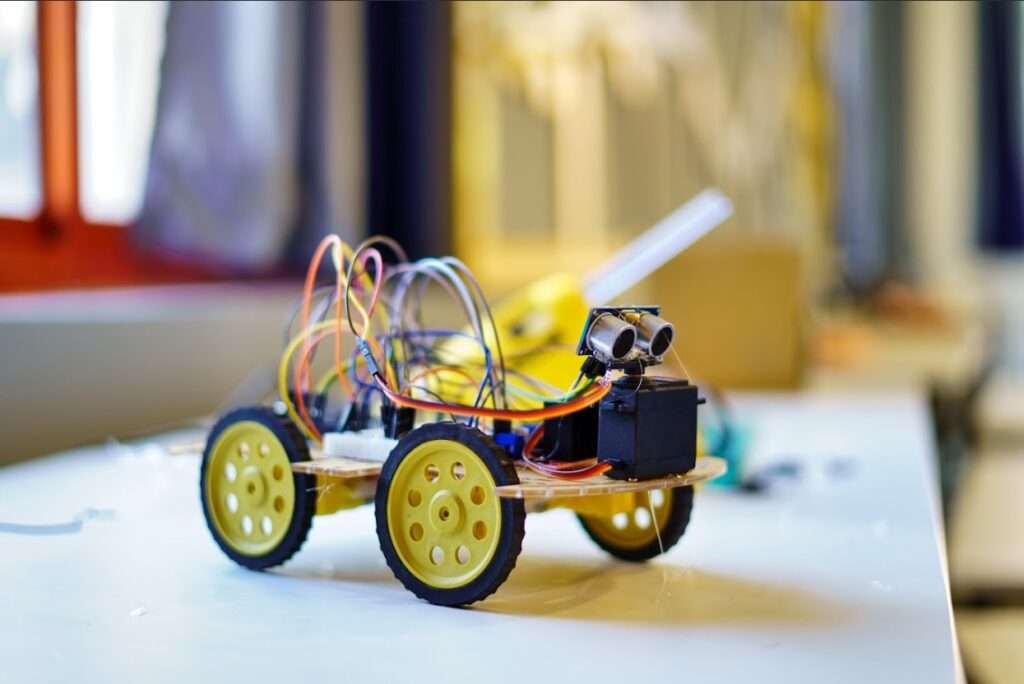
Several recent breakthroughs highlight the scale of this impact. At this year’s 3M Young Scientist Challenge in the US, Indian-American students swept two of the top three slots, with innovations ranging from biodegradable materials to moisture-harvesting nanogenerators for renewable energy. Beyond competitions, Indian researchers and engineers are leading core teams at major tech firms—Amazon, Google, Meta—and contributing to breakthroughs in AI, robotics, green technology, and biomedical engineering. Their accomplishments fuel new patents, start-ups, and research collaborations that ripple out globally, making Indian youth true global creators.
However, recent immigration and OPT visa policies have raised concerns. Enrolments in STEM programs from India saw a dip due to stricter US rules, and there is ongoing debate about the future of work authorisation for international students. Despite these uncertainties, the contribution of Indian minds to US STEM innovation remains invaluable: they add billions to the economy and generate tens of thousands of jobs, underscoring how US technology leadership is intertwined with India’s talent pool.
This vibrant exchange—Indian students thriving in American labs, pushing frontiers, and often returning home with fresh skills or staying to lead global teams—underlines a new era of cross-border innovation and partnership. The story of Indian students in US STEM is one of perseverance, adaptability, and a shared commitment to solving tomorrow’s challenges today.