Global STEM in Action: Australian & Indian Students Co‑Design Hands‑On STEM Lessons for Primary Schools
In a powerful example of Indo‑Pacific collaboration, a 12‑member delegation from Curtin University, Perth (Australia) has arrived at Panjab University, Chandigarh, to co‑design and deliver hands‑on STEM lessons for primary school students in India.
This six‑week, credit‑bearing internship and mentorship programme is being run at Ankur School, the primary school attached to Panjab University’s Department of Education, and marks a major step in strengthening STEM education ties between Australia and India.
Who Is Involved?
The visiting delegation from Curtin University consists of:
- 10 undergraduate students (pre‑service teachers) from the School of Education, Curtin University, Perth.
- 2 faculty members, led by Rekha Kaul, Professor of Science Education, Discipline Lead in STEM, and Deputy Head of the School of Education at Curtin University.cityairnews+1
From Panjab University, the collaboration is being coordinated by:
- Jatinder Grover, Chairperson, Department of Education, Panjab University.
- Nandita Singh, former Dean (International Students) and faculty in the Department of Education.cityairnews+1
This partnership is being implemented under the New Colombo Plan (NCP) Mobility Program, an Australian Government initiative that funds undergraduate students to gain academic and practical experience in the Indo‑Pacific region.
What Are They Doing?
Over the next six weeks, the Australian students will:
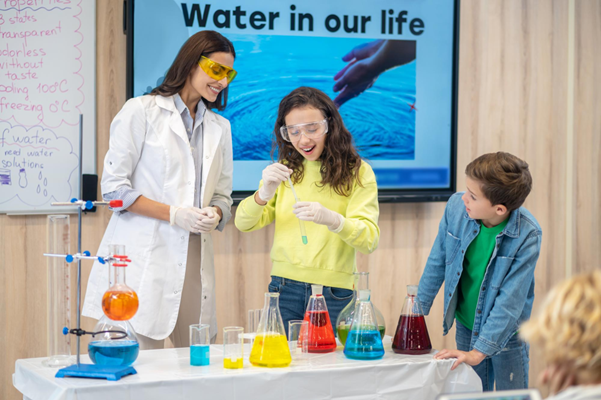
- Work alongside Indian teacher trainees and faculty to co‑design innovative, hands‑on STEM activities for primary school children (Classes 1–5).
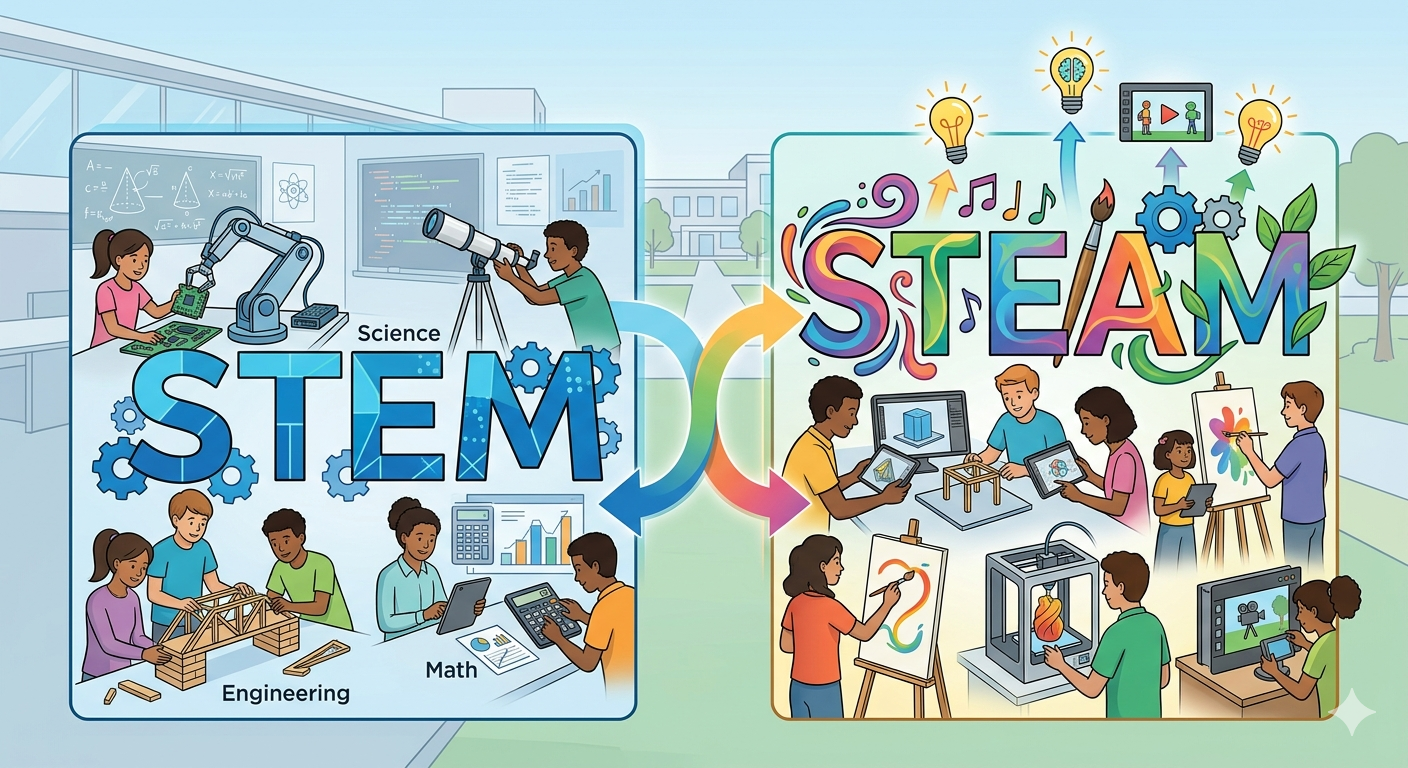
- Focus on inquiry‑based learning in Science, Technology, Engineering, and Mathematics (STEM), using simple, low‑cost, and locally available materials.
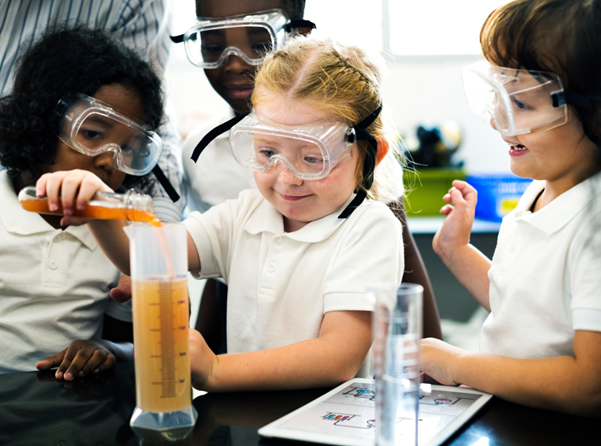
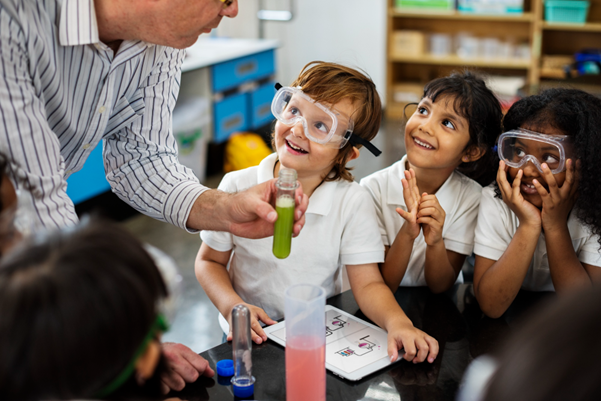
- Gain real classroom experience by delivering these STEM lessons at Ankur School under the guidance of Indian faculty.
The goal is to create fun, engaging, and curriculum‑aligned STEM experiences that spark curiosity and make science and technology accessible to young learners.
Why This Collaboration Matters
This initiative is much more than just a student exchange — it’s about building Indo‑Pacific capability and preparing future teachers to think globally while teaching locally.
For Australian students, this is a unique opportunity to:
- Experience the Indian education system and classroom culture firsthand.
- Develop cross‑cultural teaching skills and adapt STEM pedagogy to diverse learning environments.
- Build long‑term professional networks with Indian educators and institutions.
For Indian primary students, this means:
- Exposure to global teaching styles and creative, activity‑based STEM learning.
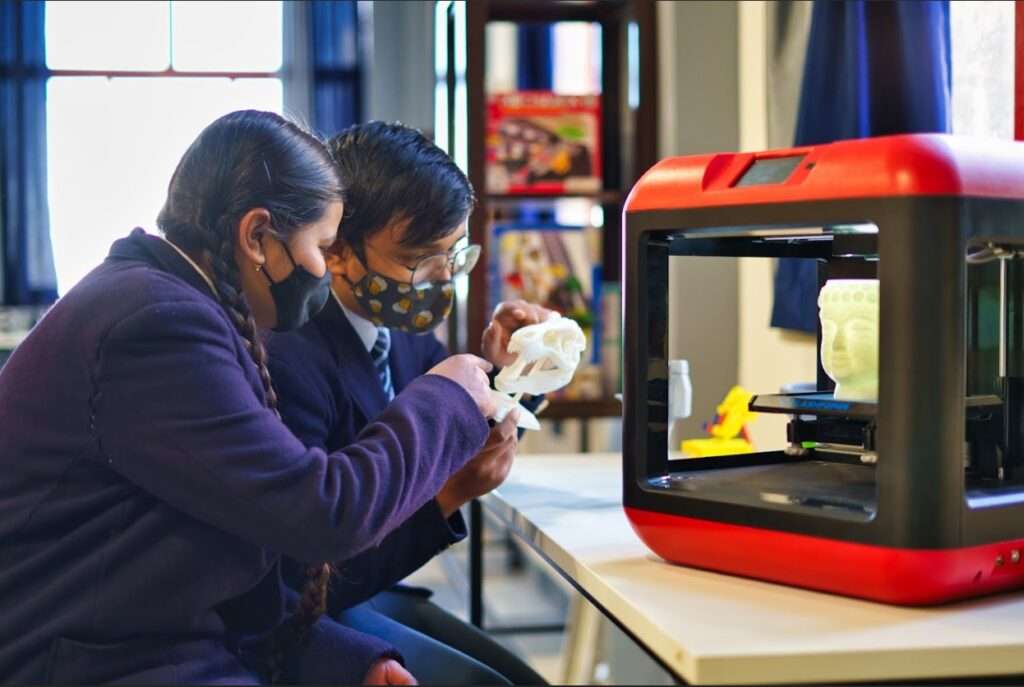
- Hands‑on experiences that go beyond textbooks and make science, math, and technology exciting.
- Early inspiration to pursue STEM subjects and careers in the future.
For Indian teacher trainees and faculty, this collaboration offers:
- A chance to observe and co‑teach with international peers, exchanging best practices in STEM pedagogy.
- Insights into how Australian schools approach inquiry‑based learning, design thinking, and real‑world problem solving in STEM.
- Strengthened international academic ties that can lead to future joint workshops, research, and student exchanges.
How This Connects to School STEM & ATLs
For schools and Atal Tinkering Labs (ATLs), this Australia–India STEM workshop is a powerful model to replicate:
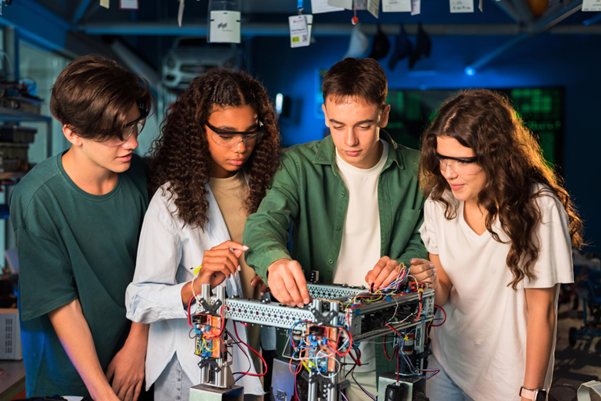
- Co‑design STEM activities: Older students (Class 9–12) can design simple, low‑cost STEM kits and experiments for younger classes, just like the Australian and Indian students are doing.
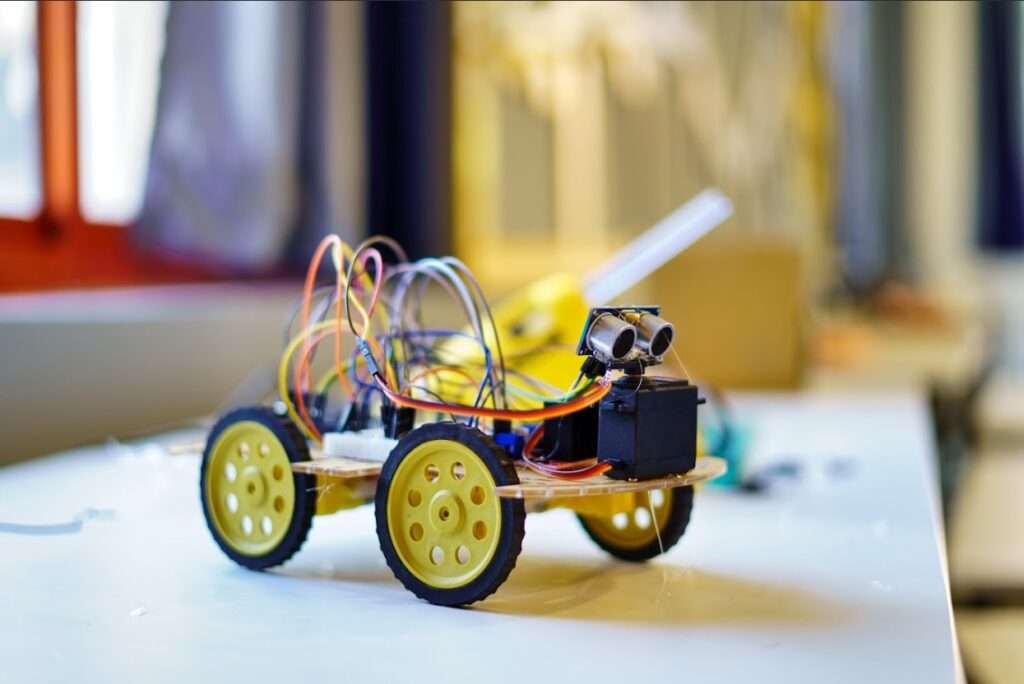
- Run “STEM for Primary” days: Organise special STEM days where senior students teach hands‑on science and robotics to primary kids, building leadership and communication skills.
- Build international links: Schools can explore partnerships with universities or international institutions for teacher training, student exchange, and joint STEM projects.
What’s Next?
The six‑week programme at Ankur School is expected to produce a set of ready‑to‑use, hands‑on STEM lesson plans that can be shared with other schools and teacher education institutions.
Officials from both universities have said this exchange is part of ongoing academic collaborations between Indian and Australian institutions, aimed at strengthening educational ties and building a future‑ready teaching workforce.
For MakersMuse, this is a perfect story to highlight how global partnerships can inspire local STEM learning — and how schools can turn such collaborations into real, hands‑on experiences for students.