
From Chalkboard To Code: How Government Schools Are Quietly Becoming India’s Robotics Hotspots
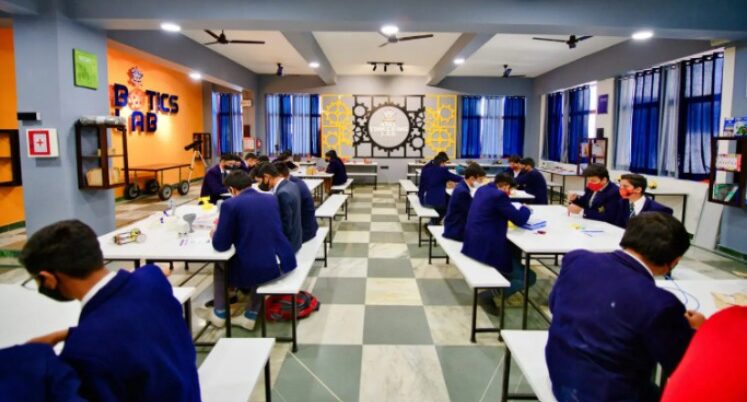
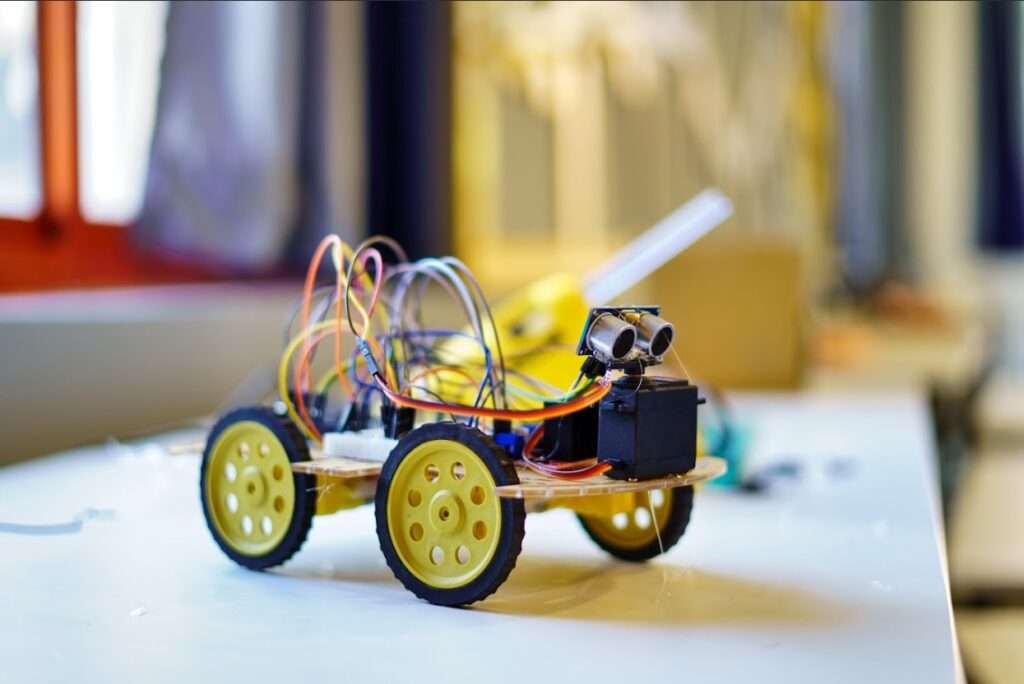
In a quiet corner of Bengaluru, a group of government school students from modest backgrounds spent months building a robot in their school’s small lab. Their dedication paid off—they are now set to represent India at the FIRST Global Challenge 2025, an international robotics competition. This story is no longer an exception; across India, government schools are transforming into vibrant hubs of robotics and innovation, quietly rewriting the narrative of STEM education for the country’s future.
The Rise of Robotics Labs
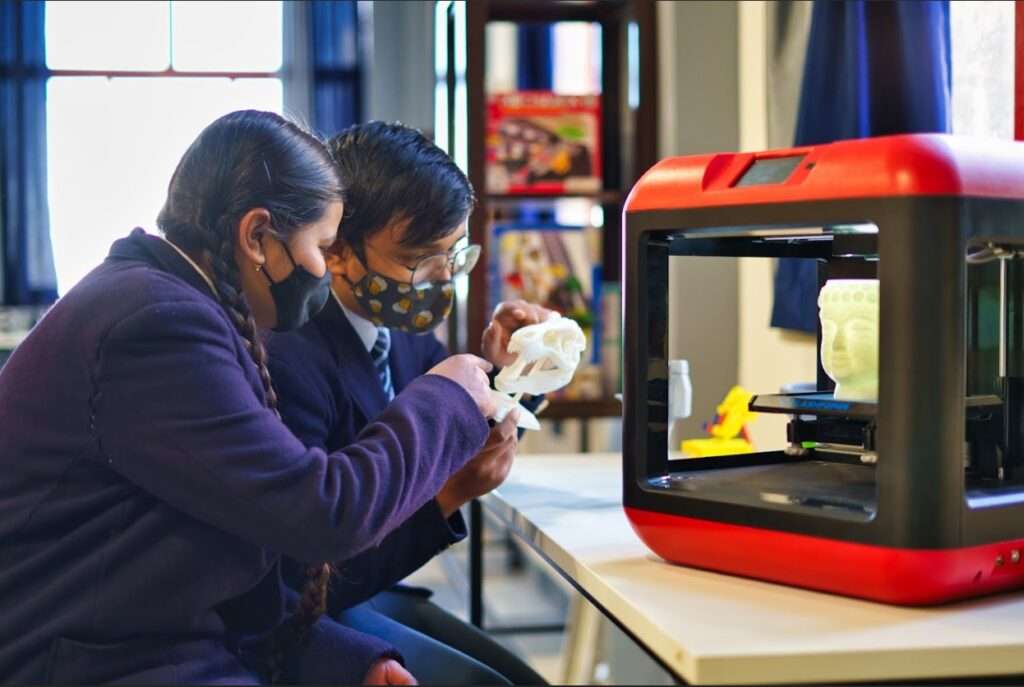
Across states like Tamil Nadu, Andhra Pradesh, Maharashtra, and Haryana, government schools are embracing robotics with surprising speed. Tamil Nadu’s TN SPARK programme is a standout example, introducing AI, coding, and robotics to students in Classes 6 to 9 across 85 government schools in Coimbatore alone. Students now learn not just from textbooks but through hands-on experiments, building robots, programming drones, and using digital tools in bilingual classrooms.
In Andhra Pradesh, 50 government schools have received AI, STEM, and robotics labs as part of a ₹8 crore CSR initiative, giving students early exposure to technologies like water-efficient farming systems powered by AI. In Maharashtra, a rural school’s robotics lab, funded by CSR and equipped with industrial-grade simulation software, has even won the World’s Best School Prize 2025. These labs are no longer exclusive to elite private institutions—they are spreading to schools in towns and villages, giving every child a chance to experience the thrill of creation.
Real Impact, Real Stories
The impact of these labs is visible in both academic results and student confidence. Robotex India, for instance, has trained over 24,000 government school students in coding and robotics, leading to a 96% improvement in attendance and a 75% rise in academic performance. Students who once saw science as abstract now build robots, design apps, and solve real-world problems—skills that go far beyond exam scores.
Girls, too, are stepping up. In Tamil Nadu, girls in TN SPARK labs are learning coding and robotics alongside boys, breaking down gender barriers and building a more diverse tech workforce. Their projects range from simple robots to AI-powered agriculture tools, showing how hands-on learning can spark creativity and leadership.
The Road Ahead
The success of these robotics labs is a testament to the power of early exposure and inclusive education. With 50,000 new Atal Tinkering Labs set to roll out across India, the transformation is just beginning. These labs are not just about winning competitions—they are about giving every student, regardless of background, the tools to think critically, solve problems, and dream big.
As government schools continue to embrace robotics and AI, they are proving that innovation is not limited to big cities or private institutions. From Bengaluru to Coimbatore, from Vizag to Pune, the chalkboard is making way for code, and a new generation of makers is rising from the heart of India’s public education system.