CBSE’s Pariksha Pe Charcha 2026: How Schools Are Using STEM & Robotics Activities
For the ninth year running, millions of Indian students are getting ready for Pariksha Pe Charcha 2026 — Prime Minister Narendra Modi’s much‑anticipated interactive session on exam stress, mental wellness, and joyful learning before the board exam season. This year, CBSE has not only made the student participation massive (over 4.2 crore names registered), but also given schools a clear “bouquet of activities” to run from January 12 to 23, 2026, turning PPC into a unique opportunity to blend exam preparation with hands‑on STEM and robotics.
What CBSE Actually Asked Schools to Do
In its circular, CBSE has asked affiliated schools to conduct a series of activities during the run‑up to PPC 2026, framed around National Youth Day and Parakram Diwas. The main pieces are:
- “Swadeshi Sankalp Daud” – A student run or walk on January 12, 2026, to promote fitness, self‑reliance and national spirit.
- Quiz and writing competitions on January 23, 2026, with selected students participating at district/state centres.
- Schools are to document participation, upload photos/short descriptions, and submit activity reports to CBSE.
While the circular mentions the run and the quiz, CBSE has deliberately left room for schools to design their own creative, joyful activities that align with the theme of healthy, stress‑free exam preparation.
How Schools Are Going Viral: STEM + Robotics in PPC 2026
Taking that freedom, schools across India are now using STEM and robotics to make their PPC 2026 celebrations truly memorable. Far from just exams and stress talks, they are turning the week into a vibrant science and innovation festival:
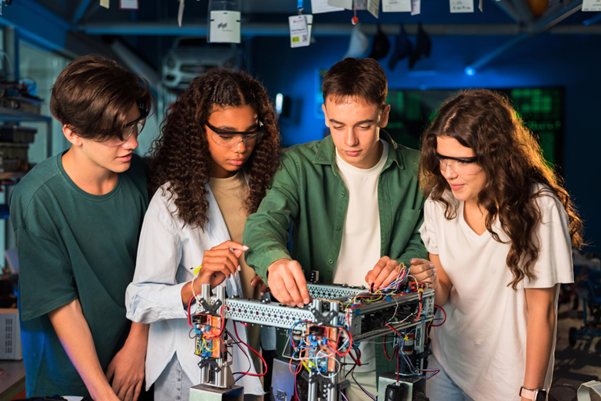
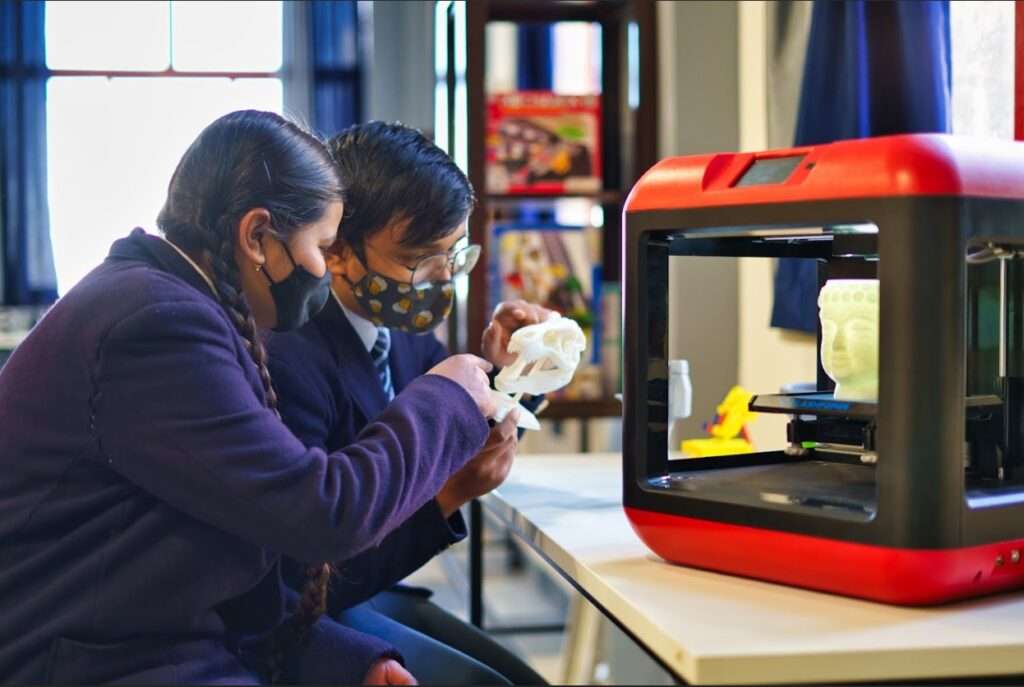
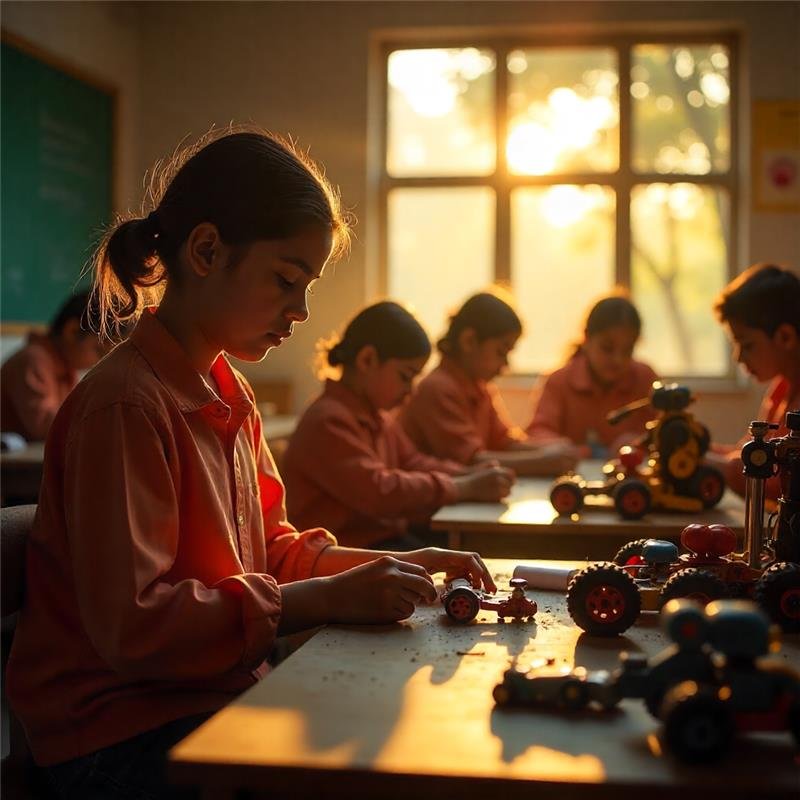
- KV and Navodaya schools are organizing STEM exhibitions where students display simple robots, AI‑based gadgets, and environmental sensors built in Atal Tinkering Labs.
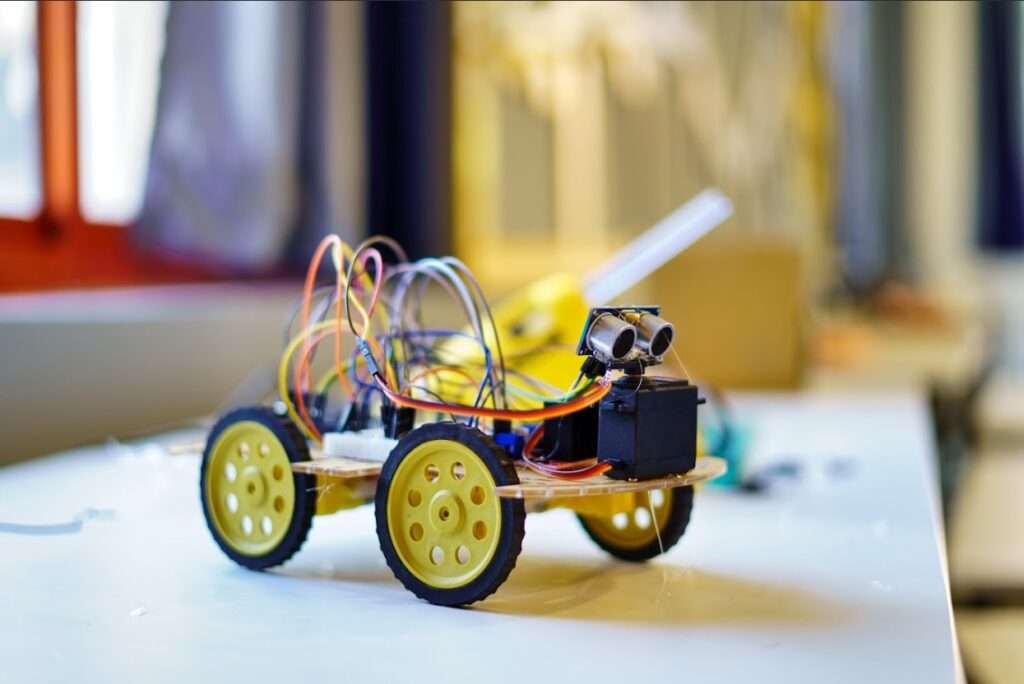
- In Delhi, Hyderabad, and Bengaluru, several CBSE schools are hosting mini robotics challenges as part of the walk/quiz week, where students race line‑follower robots or obstacle‑avoiding bots.
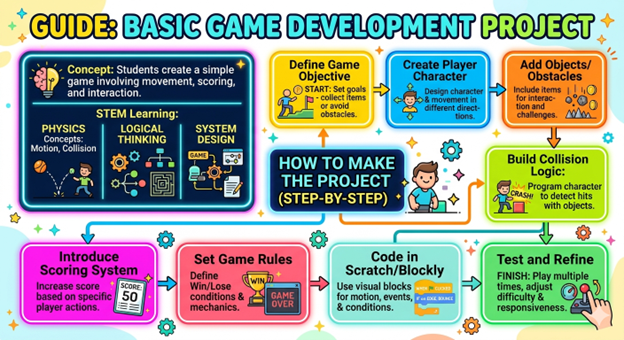
- Others are using coding and AI projects — like voice‑controlled home automation, smart water level alarms, or AI‑based quiz bots — as their “writing competition” entry, converting theoretical knowledge into working prototypes.
One school principal put it perfectly: “CBSE wants students to ‘own’ PPC 2026. So instead of just a walk, we made a full STEM festival where students build, present, and compete. When a child sees her robot moving because of her code, exam fear slowly turns into curiosity and confidence”.
Why STEM/Robotics Fits the PPC 2026 Theme
Pariksha Pe Charcha is not about more syllabus; it’s about changing the student’s mindset toward exams and learning. And that’s exactly where STEM and robotics shine:
- Reducing stress through hands‑on activity: Building a robot, solving a real problem with sensors, or coding a simple game gives students a powerful break from bookish pressure.
- Promoting ownership and creativity: When students design a project for PPC 2026, they stop feeling like exam machines and start seeing themselves as innovators.
- Linking to real career futures: Robotics, AI, and IoT projects naturally connect students to future tech careers, making exams feel like a step toward a bigger goal, not an endpoint.
Many schools are now explicitly framing their robotics week as “Pariksha Pe Charcha 2026: Stress‑Free STEM Week,” where daily activities combine wellness tips with a practical STEM challenge.
What Makers & STEM Educators Should Take From This
For makers, robotics trainers, and STEM content creators, PPC 2026 is a golden hook to create highly shareable, policy‑aligned content:
- “5 Low‑Cost Robotics Activities for CBSE Schools During PPC 2026 Week”
- “How to Convert Your Atal Tinkering Lab into a PPC 2026 STEM Festival”
- “Stress‑Buster STEM Challenges for CBSE Classes 9–12”
Since “Pariksha Pe Charcha 2026” is already trending on social media and school portals, combining it with hands‑on STEM/robotics activities will guarantee high reach, engagement, and relevance for schools and teachers.