CBSE 2026 AI & Skill Lab Push: How Your School Can Lead the STEM Revolution
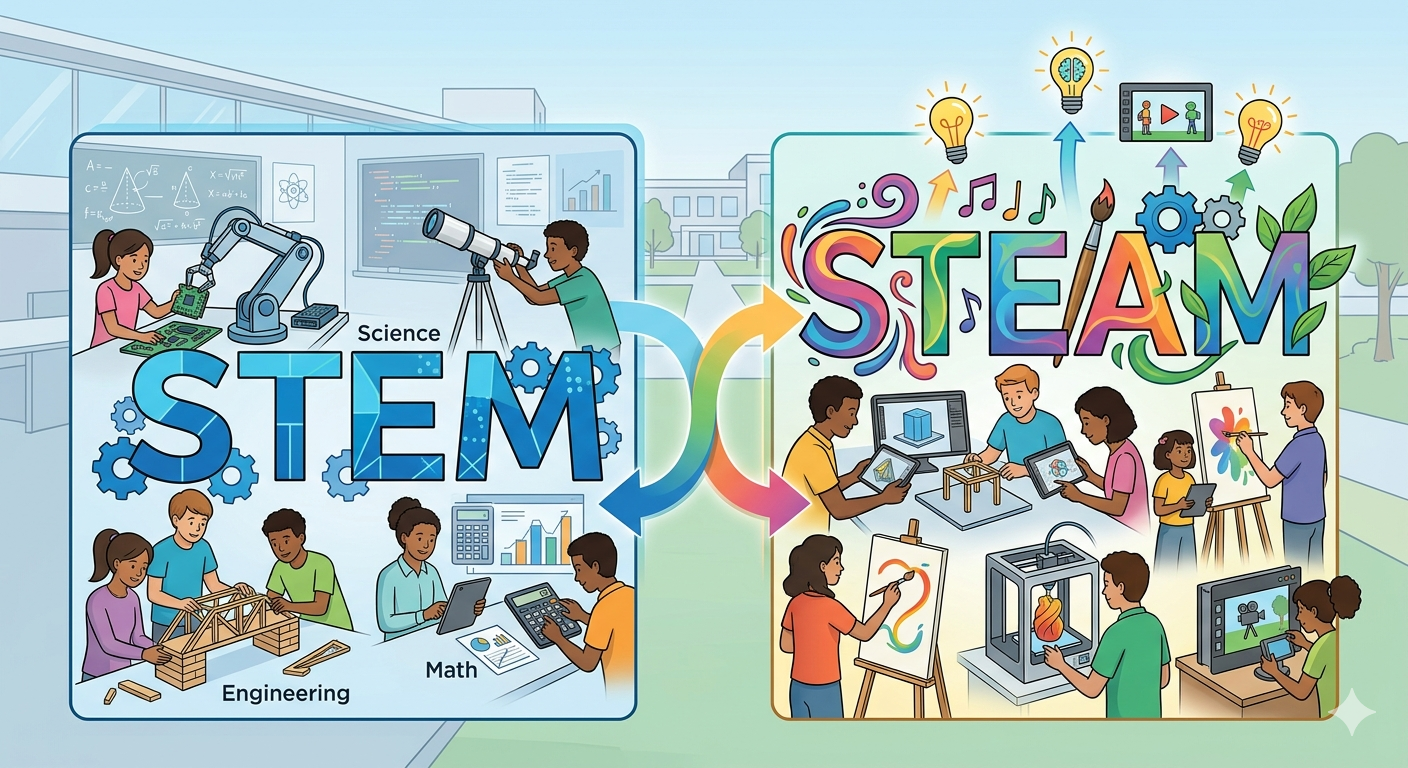
In a bold move that could reshape Indian classrooms, the Central Board of Secondary Education (CBSE) is rolling out a massive AI and Skill Lab push in 2026, turning schools into hubs of hands‑on STEM, coding, and future‑ready skills. From Class 3 onwards, students will be introduced to AI and computational thinking, while every CBSE school is being asked to set up dedicated Composite Skill Labs. For forward‑thinking schools, this isn’t just a compliance exercise – it’s a golden opportunity to lead the STEM revolution.
The Big Picture: AI from Class 3, Skill Labs for All
Starting Academic Year 2026–27, CBSE, in alignment with NCERT and NEP 2020, is introducing a structured Artificial Intelligence and Computational Thinking (AI & CT) curriculum from Class 3 to Class 12. In Classes 3–5, basic computational thinking will be woven into subjects like Mathematics and EVS, using age‑appropriate activities and digital modules. From Classes 6–8, students will dive into applied coding, design thinking, and simple AI projects, while Classes 9–10 will have AI as a formal subject, and Classes 11–12 can opt for AI and Machine Learning as electives.
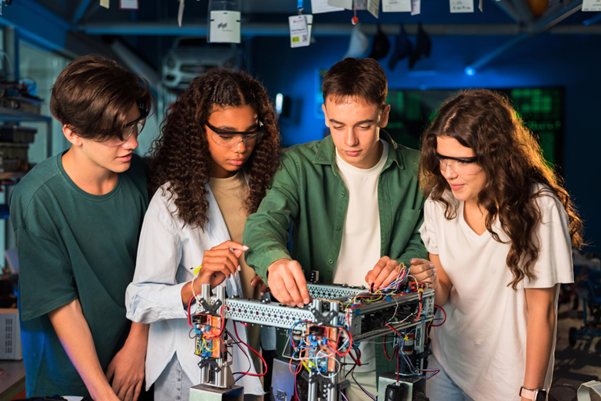
Alongside this, CBSE has mandated that all affiliated schools establish Composite Skill Labs – multidisciplinary spaces where students can work on robotics, AI, coding, crafts, and vocational modules. These labs are not just fancy rooms; they are meant to be the heart of experiential learning, where theory meets practice, and students move from “learning about” technology to “doing with” technology.
What This Means for Schools
For school leaders, this dual push – AI curriculum + Skill Labs – is a game‑changer. It signals that CBSE is serious about moving beyond rote learning to a model where students are creators, problem‑solvers, and innovators. Schools that act early can:
- Position themselves as “AI‑ready” or “STEM‑excellence” schools in their region.
- Attract parents who want their children to be future‑ready in a digital economy.
- Build strong ATLs, science fairs, and project exhibitions around AI and robotics.
- Prepare students not just for board exams, but for emerging careers in AI, data science, and tech entrepreneurship.
How Your School Can Lead the STEM Revolution
To truly lead, schools need to go beyond just setting up a lab and adding an AI period. Here’s how to turn CBSE’s 2026 push into a real STEM revolution:
- Start with a Vision, Not Just a Lab
Define what “STEM excellence” means for your school: Is it robotics competitions? AI projects for social good? Student startups? Use that vision to design your Skill Lab and AI curriculum. - Build a Composite Skill Lab That Works
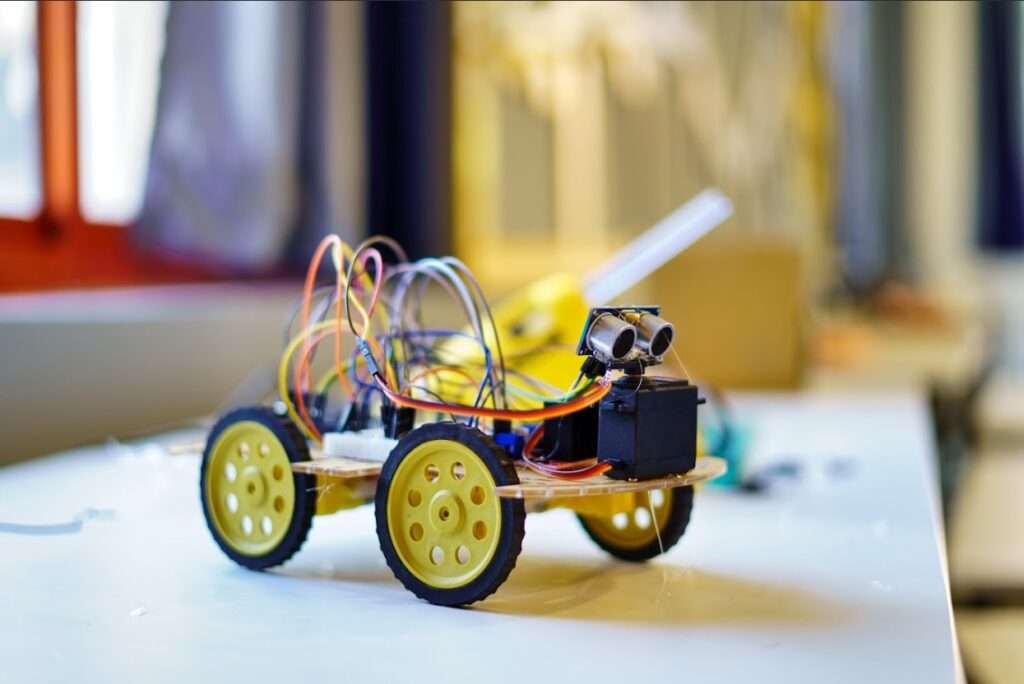
CBSE recommends a 600 sq. ft. lab (or two 400 sq. ft. labs) for Classes VI–XII. Equip it with:- Basic robotics kits (for line followers, obstacle avoiders)
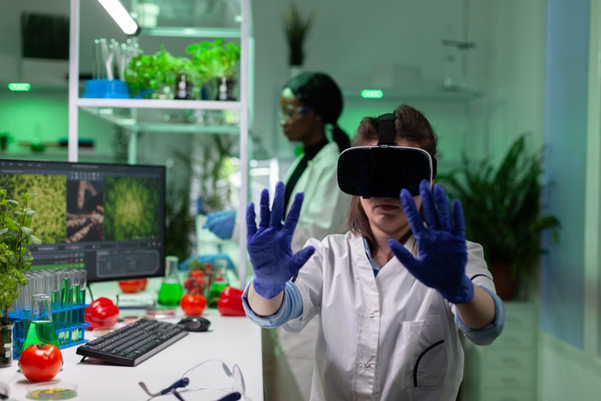
- AI/ML tools (like simple ML models, image recognition, chatbots)
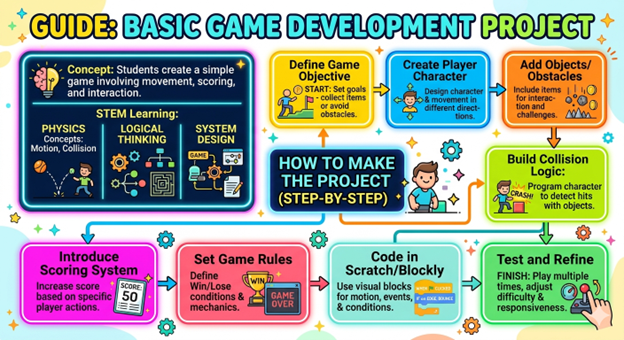
- Coding stations (Scratch, Python, web development)
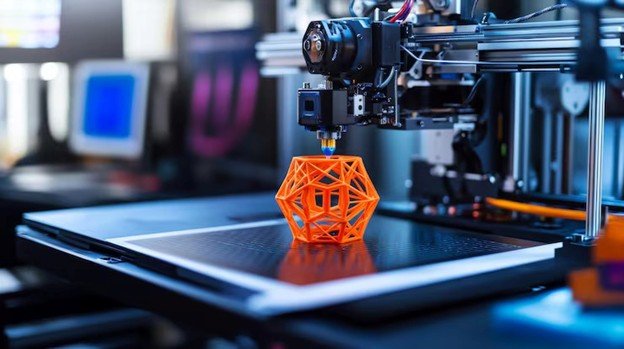
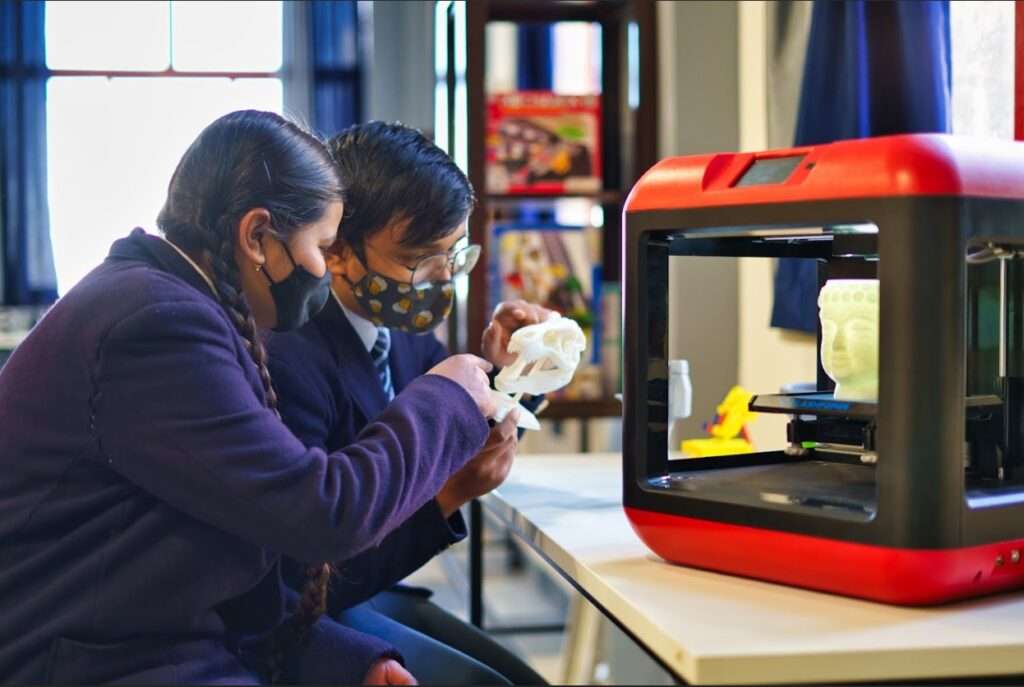
- 3D printers, microcontrollers (Arduino, micro:bit), and sensors
- Collaboration zones for group projects and ideathons.
- Train Teachers as STEM Champions
CBSE is running orientation and capacity‑building programmes for teachers. Encourage your Math, Science, and Computer teachers to attend and become AI & Skill Lab champions. Create a small internal team to pilot projects and mentor others. - Integrate AI & Skills into Daily Teaching
- In Class 6–8, use coding and AI projects in Science and Math (e.g., a simple AI model to predict weather, or a robot that solves a real‑world problem).
- In Classes 9–12, link AI/ML topics to Physics, Chemistry, and Biology (e.g., AI in drug discovery, robotics in surgery, data analysis in experiments).
- Launch a “STEM Month” or “AI Week”
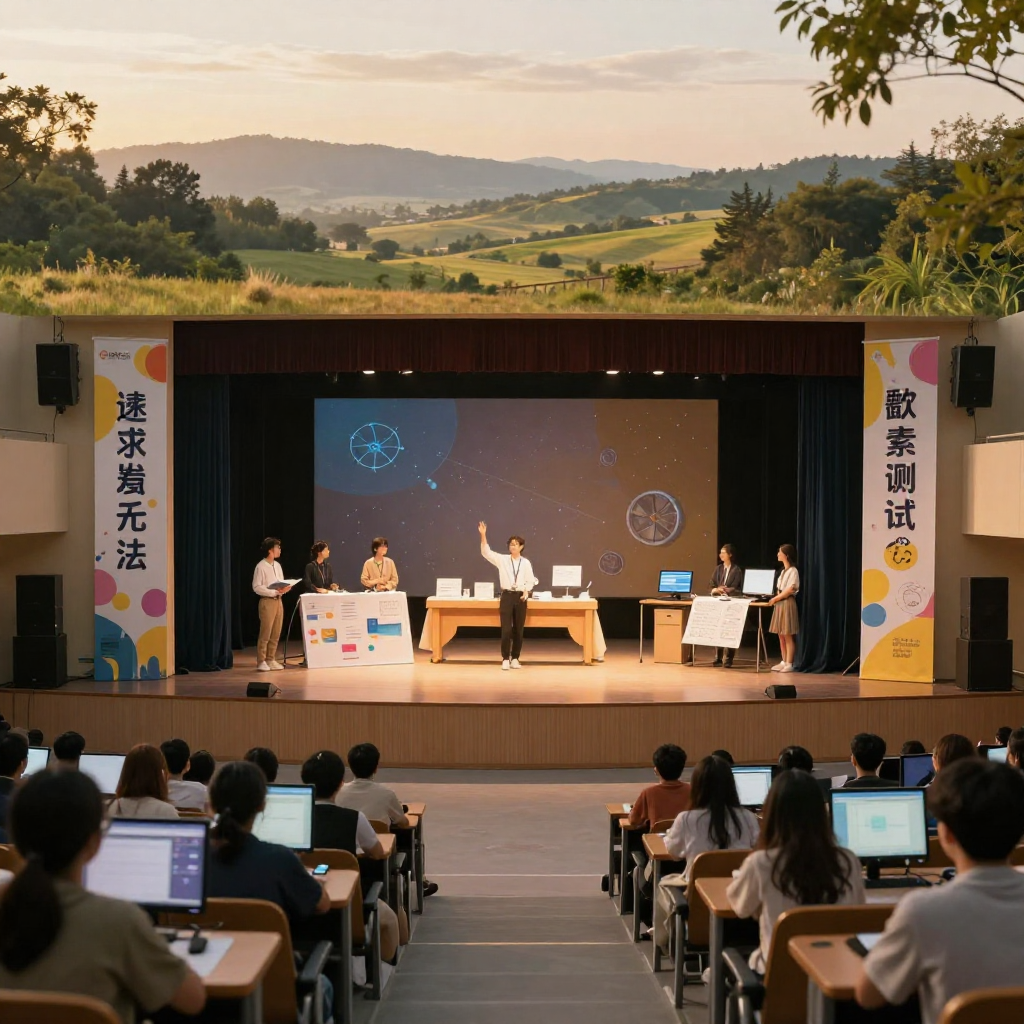
Organize a school‑wide event with:- Student project exhibitions (AI models, robots, apps)
- Guest lectures from industry experts
- Hackathons or ideathons on themes like “AI for Education” or “Robots for Sustainability”
- Parent showcases to build community support.
- Showcase and Scale
Document your journey – photos, videos, student testimonials – and share it on social media, school websites, and with CBSE. Apply for CBSE Skill Expos, ATL grants, and state/national STEM awards to gain visibility and funding.
The Bottom Line
CBSE’s 2026 AI and Skill Lab push is not just another circular – it’s a call to action for schools to become incubators of innovation. Schools that embrace this with a clear vision, strong teacher training, and a vibrant Skill Lab can transform themselves into STEM leaders, preparing students not just for exams, but for the future. The revolution is here; the question is: will your school lead it, or just follow?