
Breaking Barriers, Building Futures: Inspiring Girls to Lead in STEM
Science, technology, engineering, and mathematics (STEM) shape the world we live in. From climate solutions and healthcare innovation to artificial intelligence and sustainable cities, STEM drives progress and supports global development. Yet, despite its critical importance, women and girls remain underrepresented in these fields. Globally, women account for only about 35% of STEM graduates, reflecting persistent gender gaps rooted in stereotypes, unequal access to education, and limited visibility of female role models.
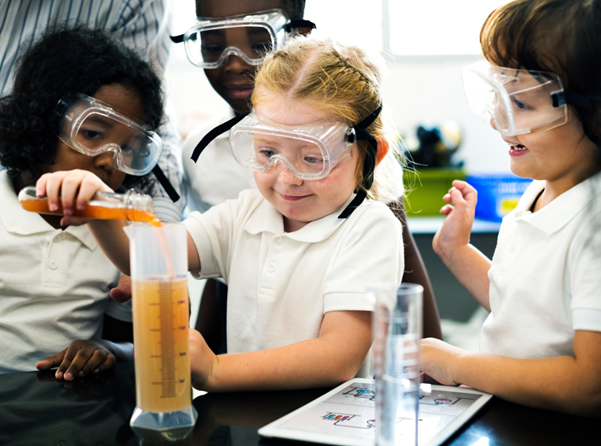
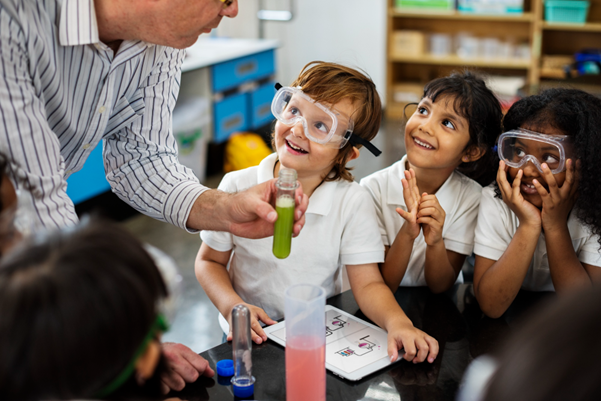
Advancing gender equality in STEM education is not just a matter of fairness; it is essential for innovation and sustainable growth. When girls are encouraged and empowered to pursue science, societies benefit from diverse perspectives, creative problem-solving, and inclusive progress. However, many girls still face subtle and overt barriers, from being told that science is “not for them” to lacking access to quality laboratories, trained teachers, or mentorship opportunities.
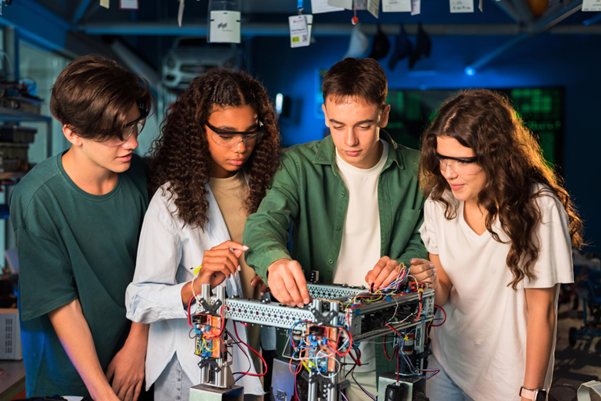
Organisations such as UNESCO are actively working to close this gap. Through initiatives that promote inclusive and equitable education, UNESCO supports girls’ access to quality STEM learning environments, strengthens teacher training, and promotes mentorship and role-model programmes. By making women scientists more visible and celebrating their achievements, these efforts challenge long-standing stereotypes and inspire young girls to envision themselves as future engineers, researchers, and innovators.
Policy advocacy also plays a key role. By encouraging governments to adopt inclusive education policies and invest in community-based interventions, UNESCO helps address systemic barriers that limit girls’ participation in science. The UNESCO Call to Action, “Closing the Gender Gap in Science,” outlines priority areas to ensure that girls not only enter STEM pathways but also thrive and lead within them.
The International Day of Women and Girls in Science, celebrated annually on 11 February, serves as a powerful reminder of both the progress made and the work still ahead. It provides an opportunity to raise awareness, share success stories, and amplify the voices of women and girls who are breaking new ground in science.
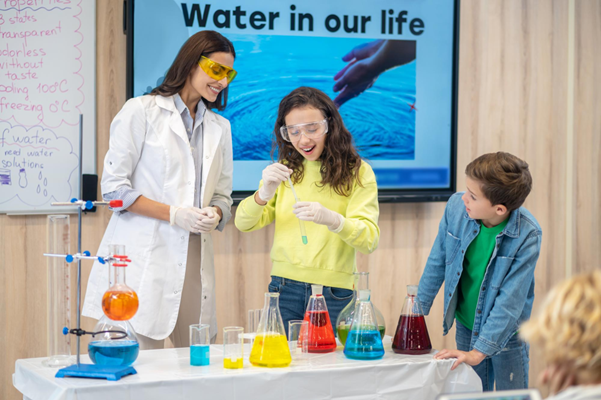
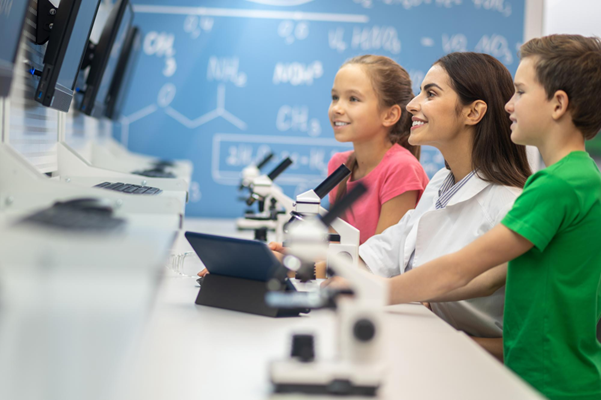
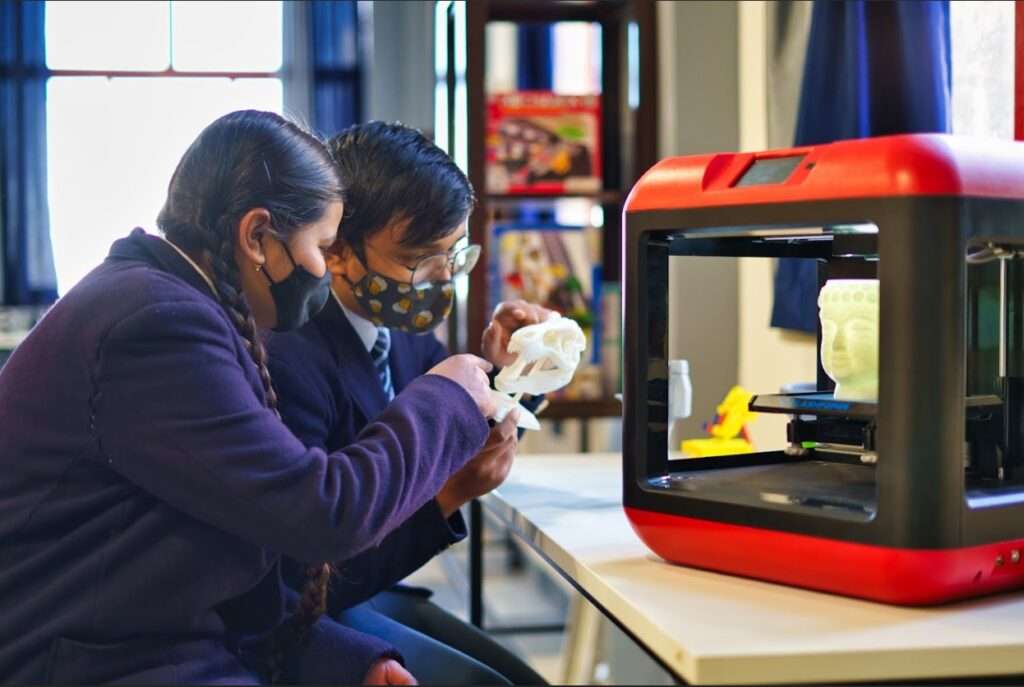
In Nyamira County, Kenya, biology and chemistry teacher Edinah Nyakondi, along with her students Bethsebah Jeberio and Clarice Anyango from St. Clare Girls Secondary School, exemplify the transformative impact of supportive learning environments. Their experiences highlight how encouragement, quality teaching, and exposure to real-world scientific challenges can ignite confidence and ambition. When girls see their teachers and peers succeeding in science, they begin to believe in their own potential.
Inspiring girls to pursue STEM is not a one-day effort; it requires sustained commitment from educators, families, policymakers, and communities. By creating inclusive classrooms, promoting female role models, and dismantling stereotypes, we can ensure that every girl has the opportunity to explore her curiosity and follow her dreams. Gender equality in STEM is not only about empowering girls, it is about building a smarter, more innovative, and more equitable future for all.