STEAM Programs for Future Careers: 7 Powerful Ways Students Gain Positive Skills
The world of work is evolving faster than ever before. Technology continues to reshape industries, automation is changing the nature of jobs, and global competition is increasing the demand for skilled, adaptable, and innovative workers. To succeed in this dynamic environment, students need more than traditional academic knowledge. They need real-world skills that prepare them for roles that may not even exist yet. This is where STEAM programs for future careers play a vital role.
STEAM education, which integrates science, technology, engineering, arts, and mathematics, offers a holistic learning approach that equips students with essential 21st-century skills. By blending creativity with technical understanding, STEAM learning for students prepares them for a future filled with opportunities, challenges, and constant change.
Below are seven powerful ways STEAM programs empower students with the skills needed to thrive in the future workforce.
1. Building Strong Problem-Solving Skills
Problem-solving is one of the most critical skills employers seek in today’s workforce. As industries become more complex, professionals must be able to analyze situations, identify challenges, and develop logical, creative solutions. STEAM programs emphasize hands-on activities that reflect real-world scenarios.
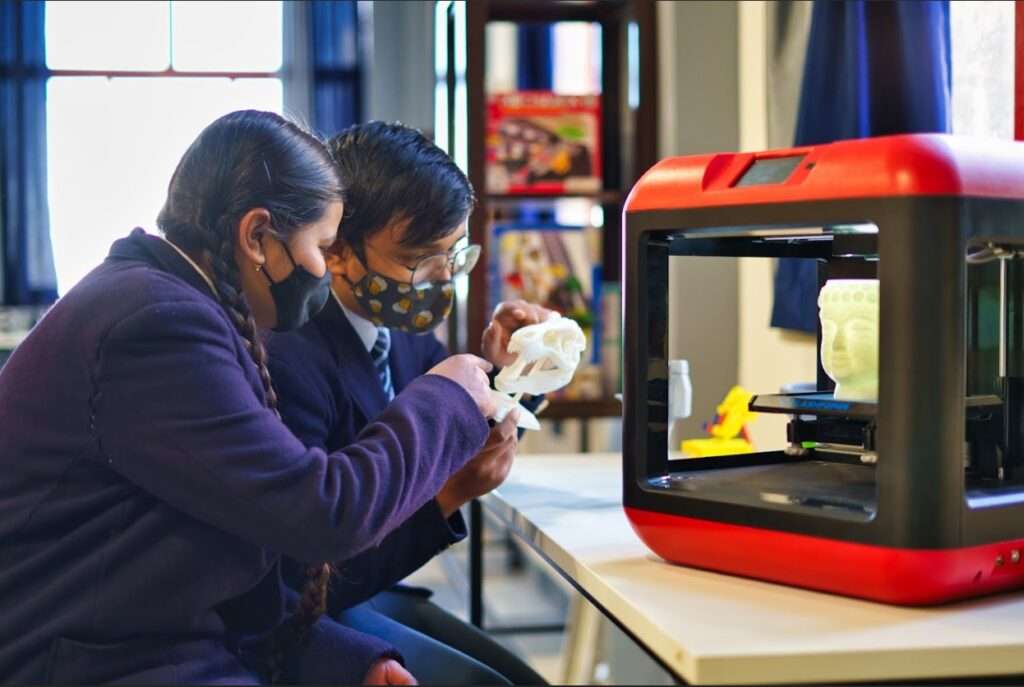
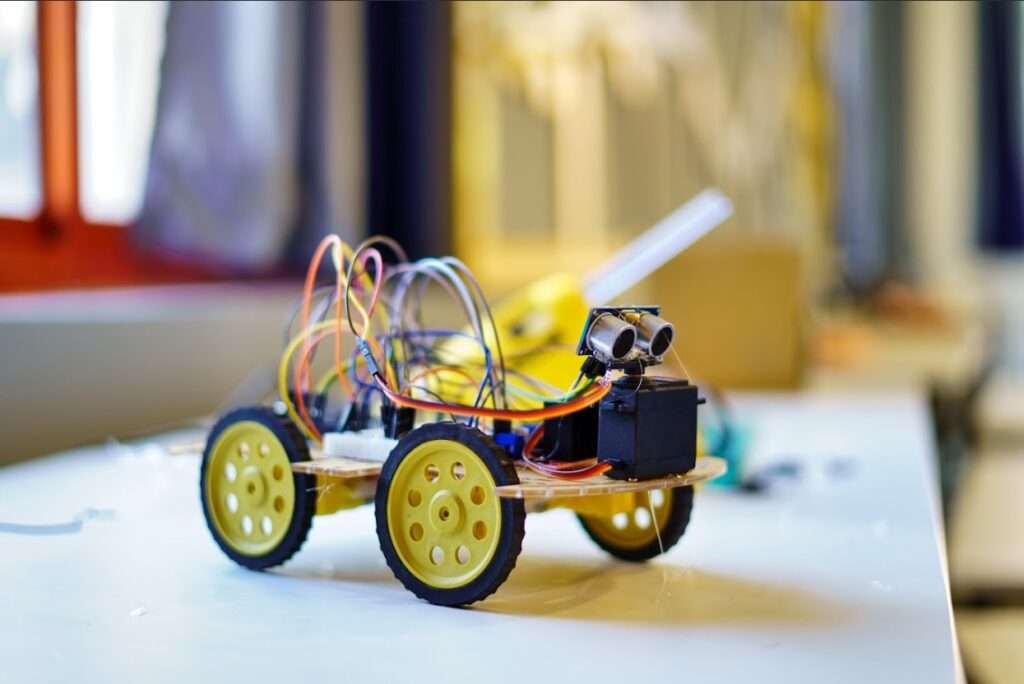
Students engage in designing structures, creating prototypes, conducting experiments, or coding simple programs. Through these experiences, they learn how to break down problems, explore different solutions, and evaluate outcomes. The benefits of STEAM education lie in the process of discovery itself. Students develop a mindset that sees challenges as opportunities to think deeply, reflect, and solve issues with confidence.
2. Strengthening Collaboration and Teamwork
Modern workplaces rely heavily on collaboration. Whether in technology firms, engineering companies, creative studios, or research institutions, employees must work effectively as part of a team. STEAM curriculum for schools naturally encourages teamwork through group-based projects.
Students learn to communicate ideas clearly, share responsibilities, listen to others, and combine strengths to achieve common goals. This collaborative learning mirrors real professional environments, helping students understand the importance of cooperation and respect for diverse perspectives. As a result, they become well-prepared for teamwork-driven careers across various industries.
3. Enhancing Technological Proficiency
Technology shapes nearly every aspect of today’s world. From artificial intelligence and robotics to digital design and data analytics, the future of work is inseparably linked to technological literacy. STEAM programs for future careers introduce students to essential digital tools, programming fundamentals, robotics systems, and problem-based technology applications.
This exposure builds confidence in using technology as a tool for innovation rather than something to fear or avoid. Students who develop early technological proficiency are better prepared for careers in engineering, computer science, automation, cybersecurity, digital art, and more.
4. Encouraging Creativity and Innovation
Creativity is becoming increasingly valuable in the future workforce. Industries rely on new ideas, unique perspectives, and innovative thinking to stay competitive. One of the defining benefits of STEAM education is its focus on creativity through exploration and experimentation.
By integrating the arts into STEM, STEAM empowers students to think beyond formulas and traditional methods. They develop original ideas, craft unique designs, and approach problems from different angles. This mindset fuels innovation across creative and technical fields, helping students become imaginative thinkers who drive progress.
5. Building Adaptability and Resilience
The future job market will continue to evolve unpredictably. Careers will change, new roles will emerge, and workers will need to adapt quickly. STEAM learning for students prepares them for this uncertainty by helping them build resilience through challenging projects.
Students learn that failure is part of the learning process. When a project doesn’t go as planned, they analyze what went wrong and try again. This experience teaches flexibility, perseverance, and the ability to adapt strategies. These qualities are essential for thriving in fast-paced, ever-changing work environments.
6. Connecting Learning to Real-World Applications
A major strength of STEAM curriculum for schools is its emphasis on real-world relevance. Students often struggle to see how academic concepts apply to their lives or future careers. STEAM programs bridge this gap by integrating practical applications into lessons.
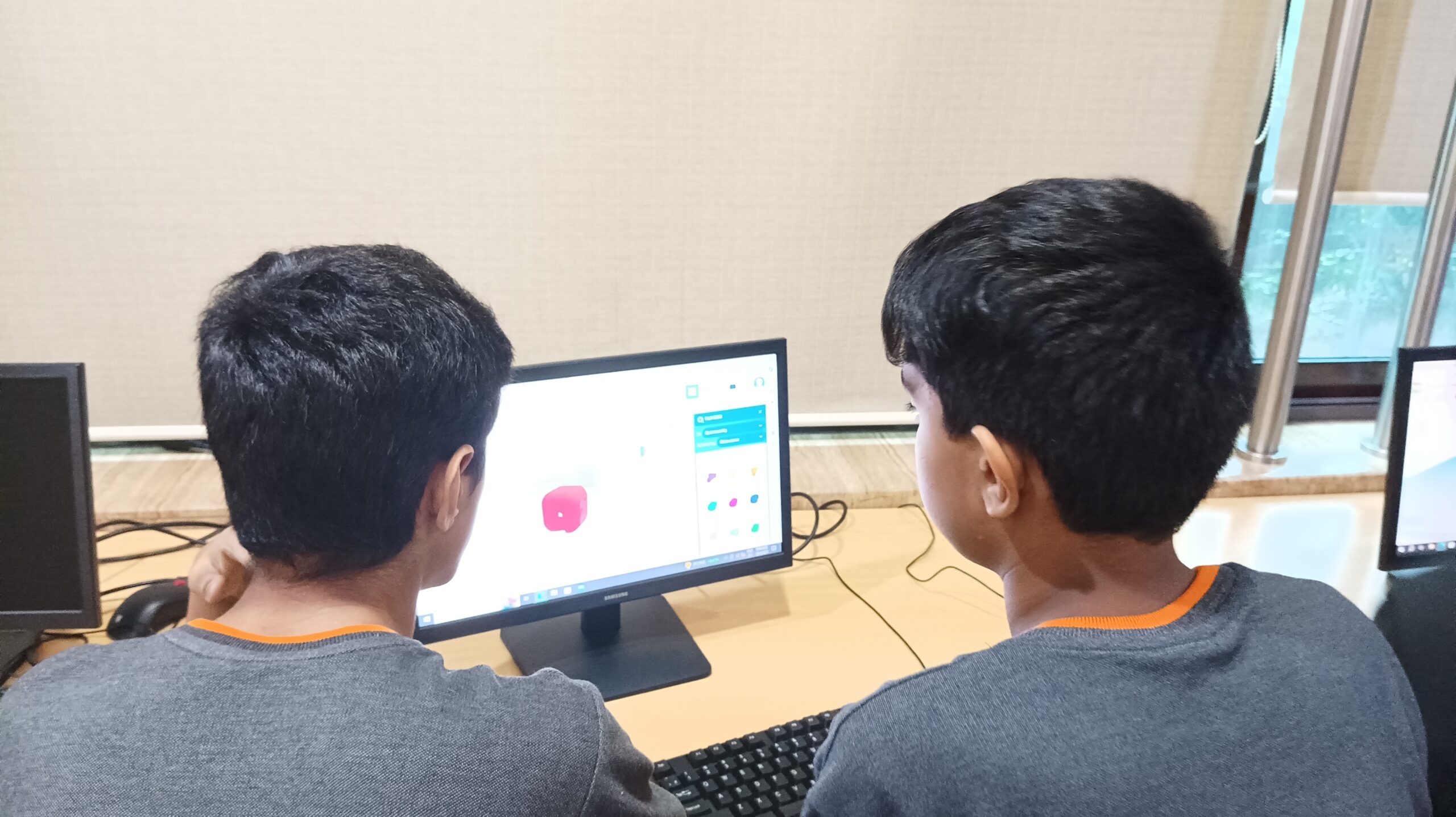
Whether designing eco-friendly solutions, creating 3D models, developing simple software, or solving community problems, students experience firsthand how their knowledge can make a meaningful impact. Interactions with industry professionals, mentorship opportunities, and hands-on workshops further enrich this understanding, helping students make informed decisions about their future career paths.
7. Preparing Students for Lifelong Learning
As industries evolve and new technologies emerge, lifelong learning becomes essential. Workers must continually update their skills to stay relevant. One of the most valuable benefits of STEAM education is its ability to foster curiosity and self-directed learning.
Because STEAM focuses on inquiry-based exploration, students naturally develop a desire to ask questions, seek information, and explore new ideas. This habit of continuous learning prepares them to keep pace with technological advancements and adapt to new roles throughout their careers.
Why STEAM Matters More Than Ever Before
The future of work demands individuals who are adaptable, innovative, technologically skilled, and capable of thinking critically. STEAM programs for future careers are more than academic disciplines; they are learning experiences that shape how students view challenges, opportunities, and the world around them.
Schools that implement strong STEAM programs give students a powerful advantage. They nurture capabilities that employers value most, from communication and creativity to digital literacy and teamwork. As a result, students graduate with a skill set that prepares them not just for jobs of today but for careers that will shape the next generation.
Empower Your Students with Future-Ready STEAM Learning
If you want to prepare students for a rapidly evolving workforce, now is the time to strengthen your STEAM curriculum for schools. STEAM education equips learners with vital skills, boosts their confidence, and inspires them to innovate. By integrating real-world applications, technology tools, and creativity-focused projects, schools can cultivate young leaders ready to succeed in any field.
Visit makersmuse.com to explore resources, programs, and expert insights designed to enhance your STEAM learning environment and prepare students for future careers.