Learning to code has become one of the most valuable skills for young learners today. In an increasingly digital world, teens who develop coding skills early gain an advantage not only in academics but also in future career paths. Whether they dream of building apps, designing websites, creating games, or exploring artificial intelligence, the journey begins with choosing the right learning environment. But what is the best way to learn coding for teens? Should they choose online platforms or in-person classes?
Understanding the differences between these two learning methods is essential for parents, educators, and teenagers themselves. Each option offers unique benefits and challenges, and the right choice depends on personal learning style, goals, and accessibility. This blog provides a detailed comparison between online and in-person learning to help you choose the most effective way to learn coding for teens in today’s education landscape.
Online Coding Platforms: The New Digital Classroom
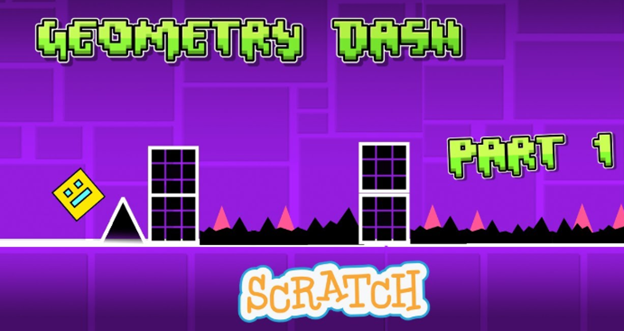
Online learning has transformed the way students access education. With flexible schedules, global platforms, and unlimited resources, online coding classes for teens are more popular than ever. Platforms like Khan Academy, Udemy, Scratch, and Codecademy have made coding accessible to millions of learners.
Advantages of Online Learning
Flexibility and Convenience
One of the biggest strengths of online coding classes for teens is flexibility. Students can learn anytime and from anywhere, making it ideal for busy schedules, extracurricular activities, or students who prefer to study at their own pace. Whether they learn after school, during weekends, or even on holiday breaks, online courses make it easy to stay consistent.
Wide Variety of Courses
Online platforms offer everything from beginner tutorials in Scratch and Python to advanced topics like web development, C++, and machine learning. This wide range helps every teen find a path that matches their interests.
Access to the Global Community
Online learning connects students to global communities with discussion forums, peer projects, and interactive challenges. These communities help teens learn collaboratively, share ideas, and develop teamwork skills.
Challenges of Online Learning
Requires Strong Self-Discipline
While flexible learning is beneficial, it also demands self-motivation. Teens who struggle with staying focused or completing tasks independently may fall behind without the structure of a classroom.
Limited Personal Interaction
Online learning often lacks direct face-to-face clarification from an instructor. Although many platforms provide support, the level of personalised feedback may not match in-person teaching.
In-Person Coding Classes: A Guided and Structured Approach
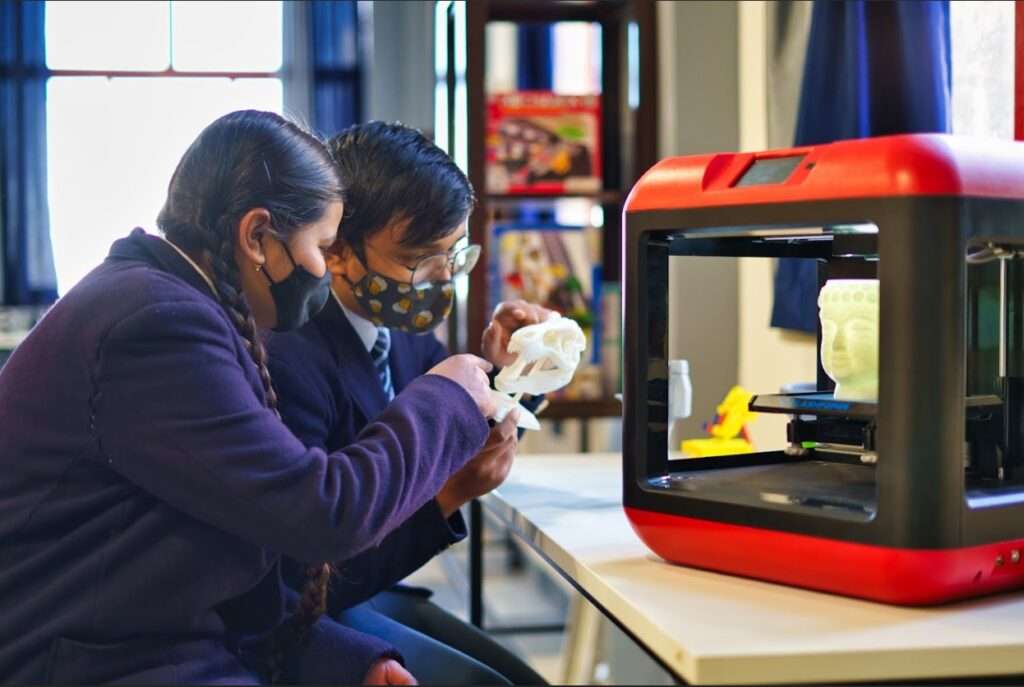
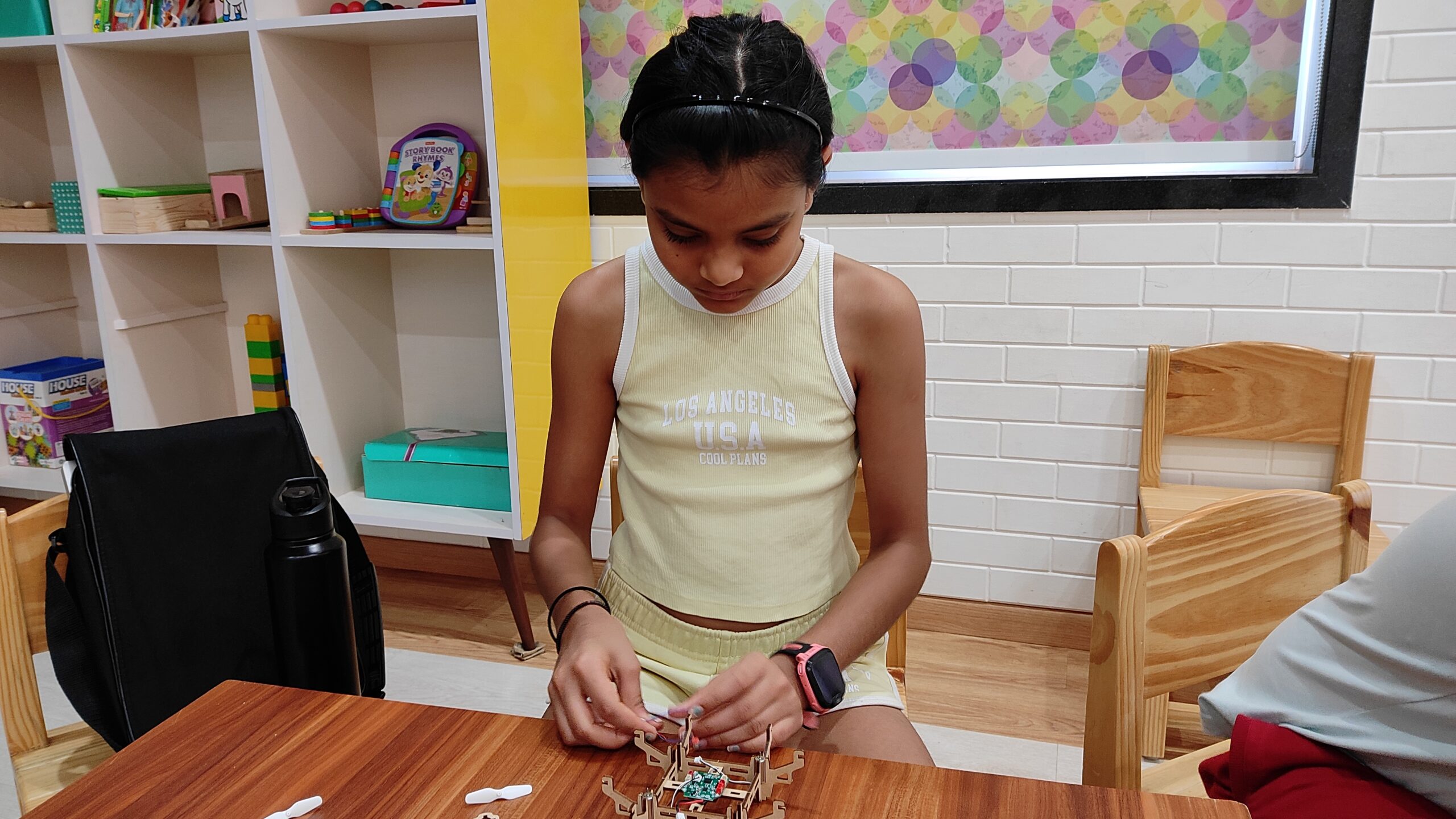
For students who prefer hands-on learning and personal interaction, in-person coding classes for teens offer a more traditional and supportive environment. These classes take place in dedicated learning centres, schools, or community tech hubs.
Benefits of In-Person Learning
Structured Schedules and Curriculum
In-person classes follow a fixed schedule, which helps teens maintain discipline and consistency. The structured environment can be helpful for learners who need routine and direct guidance from an instructor.
Immediate Feedback and Personalized Support
Face-to-face interaction allows instructors to provide instant clarification, correct mistakes quickly, and offer tailored suggestions. This is invaluable for teens who benefit from real-time support.
Peer Collaboration
In-person learning encourages teamwork through group projects, coding challenges, and collaborative problem-solving. This helps teens build confidence, communication skills, and leadership abilities.
Challenges of In-Person Classes
Limited Flexibility
Teens must attend classes at specific times and locations. This may be difficult for those who have tight academic schedules or live far from learning centres.
Higher Costs
In-person classes often require higher fees compared to online platforms due to instructor presence, equipment, and facility expenses.
Choosing the Best Way to Learn Coding for Teens
Selecting the ideal method depends on the learner’s personality, goals, environment, and resources. Here are key factors to consider when deciding the best way to learn coding for teenagers:
Learning Style
Teens who enjoy independence may prefer online learning, while students who need structure might benefit more from in-person classes.
Access to Technology
Online coding courses for teens require a stable internet connection and computer. If technology is limited, in-person classes may provide better access to resources.
Preferred Learning Environment
Students who enjoy real-time interaction, group collaboration, and classroom energy may find in-person learning more engaging.
Budget Considerations
Online platforms often offer free or low-cost options, making them more budget-friendly.
Future Goals
For teens aiming for advanced coding careers or competitive tech fields, a blended approach—including both online and in-person learning—can offer the best results.
Encouraging Teens to Begin Their Coding Journey
The most important step is to start. When teens learn coding early, they build critical thinking, creativity, problem-solving abilities, and technical confidence. By learning foundational skills like Python, game development, robotics, or web development, they set themselves up for countless opportunities in the future.
How Makers Muse Supports Teens in Learning Coding
Makers Muse provides a comprehensive and supportive environment for teens who want to explore coding. The programs are designed to empower students with real-world skills using structured lessons, project-based learning, and expert guidance.
At Makers Muse, teens can choose from both online coding classes for teens and in-person programs, making it easy to learn coding in a way that suits their preferences. With experienced instructors, dedicated support, and engaging hands-on projects, students gain the confidence and knowledge needed to master programming concepts effectively. Whether a teen prefers flexible online study or a classroom-based learning journey, Makers Muse offers a personalized and meaningful experience.
Conclusion
Learning to code is one of the most impactful skills a teen can acquire. With the rise of technology-driven careers, understanding the best learning environment is essential. Both online and in-person methods offer valuable benefits, and the decision depends on the learner’s needs, goals, and lifestyle. The key is to choose a method that keeps teens motivated, inspired, and eager to explore the world of coding.
With platforms like Makers Muse, teens can gain access to high-quality instruction, innovative tools, and personalized support. Whether online or in-person, the journey to learn coding for teens begins with choosing the path that best fits their learning style and ambitions.