International STEM Partnerships Drive Innovation in Education
International collaboration in STEM education is growing rapidly in 2026 as countries, universities, technology companies, and global organizations work together to prepare students for future industries and technological advancement. Around the world, new partnerships are helping education systems modernize learning methods, improve research opportunities, and strengthen innovation-driven skills among students.

Education experts say international STEM partnerships are becoming increasingly important as industries face growing demand for talent in artificial intelligence, robotics, cybersecurity, engineering, renewable energy, biotechnology, and advanced manufacturing. By collaborating across borders, institutions are able to share resources, research, technology, and best practices to improve education outcomes.
Several global organizations, including UNESCO, are leading international initiatives that encourage cooperation between schools, universities, and research institutions. These programs focus on expanding access to science and technology education while promoting innovation, sustainability, and inclusive learning opportunities for students worldwide.
Universities across Europe, Asia, North America, and Australia are also forming global partnerships to strengthen STEM research and future workforce development. Joint programs in artificial intelligence, data science, aerospace engineering, and environmental technology are allowing students to gain international exposure and practical experience in emerging industries.
Many partnerships now include direct collaboration with technology companies and industry leaders. Engineering firms, software companies, and research organizations are supporting schools through internships, innovation labs, mentorship programs, and real-world project-based learning initiatives. Education leaders believe these industry connections help students develop skills that align more closely with future workforce requirements.
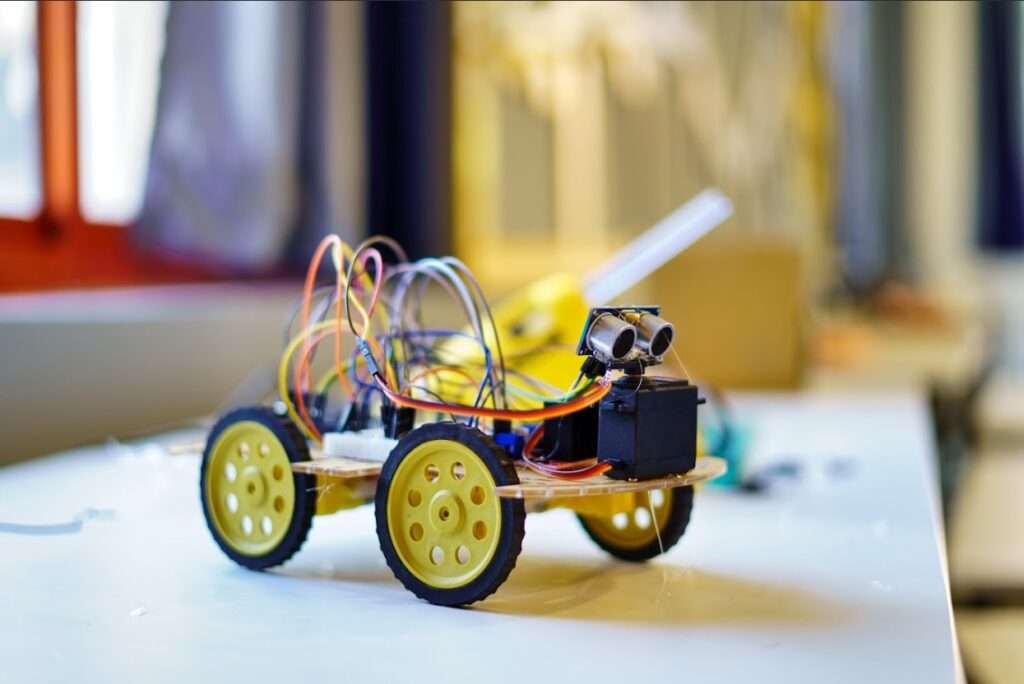
International STEM competitions and innovation challenges are also expanding through global partnerships. Students from different countries are participating in robotics competitions, coding challenges, engineering fairs, and scientific research programs designed to encourage creativity, teamwork, and problem-solving abilities. These events are helping students gain exposure to global innovation trends while building cross-cultural collaboration skills.
Artificial intelligence is becoming a major focus of many international STEM partnerships. Schools and universities are increasingly working together to integrate AI literacy, machine learning, and digital technologies into education systems. Experts believe global cooperation will be essential for ensuring ethical and responsible use of emerging technologies in classrooms and future industries.
Another key priority of international STEM collaboration is improving diversity and inclusion. Many global initiatives are encouraging greater participation from women, rural communities, and underrepresented groups through scholarships, outreach programs, and accessible digital learning opportunities.
Education analysts say the rise of international STEM partnerships reflects a broader transformation in global education. As technology continues reshaping economies and industries, countries are recognizing that collaboration, innovation, and future-focused learning will play a critical role in preparing students for the demands of tomorrow’s workforce.