Global Demand for STEM Skills Reshapes Education Policies
Governments and education systems around the world are rapidly reforming policies to strengthen STEM education as industries increasingly demand workers with skills in science, technology, engineering, and mathematics. In 2026, education leaders are placing stronger emphasis on future-ready learning models designed to prepare students for careers driven by artificial intelligence, automation, robotics, cybersecurity, and advanced digital technologies.

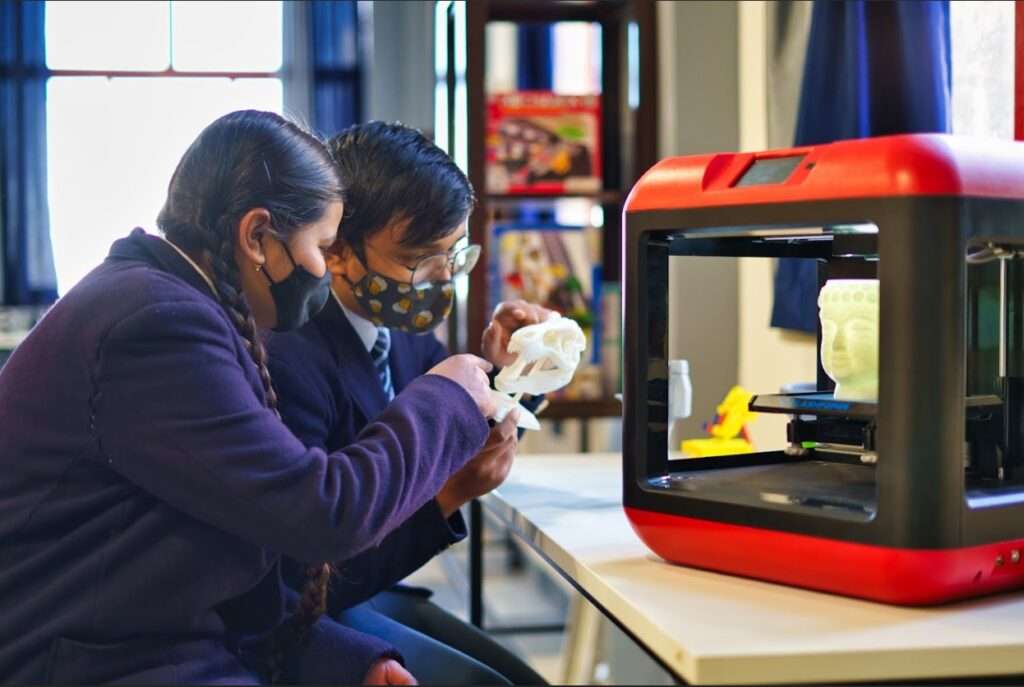
The growing demand for STEM talent is influencing national education strategies across both developed and emerging economies. Countries are investing heavily in modern science laboratories, coding programs, digital classrooms, engineering education, and industry partnerships to ensure students develop the technical and problem-solving abilities required in future workplaces. The growing demand for STEM talent is influencing national education strategies across both developed and emerging economies. Countries are investing heavily in modern science laboratories, coding programs, digital classrooms, engineering education, and industry partnerships to ensure students develop the technical and problem-solving abilities required in future workplaces.
Across Europe, several governments have introduced new STEM-focused education reforms aimed at improving mathematics and science performance while encouraging more students to pursue careers in engineering, data science, and technology innovation. Schools are increasingly integrating coding, artificial intelligence, and computational thinking into mainstream education systems.
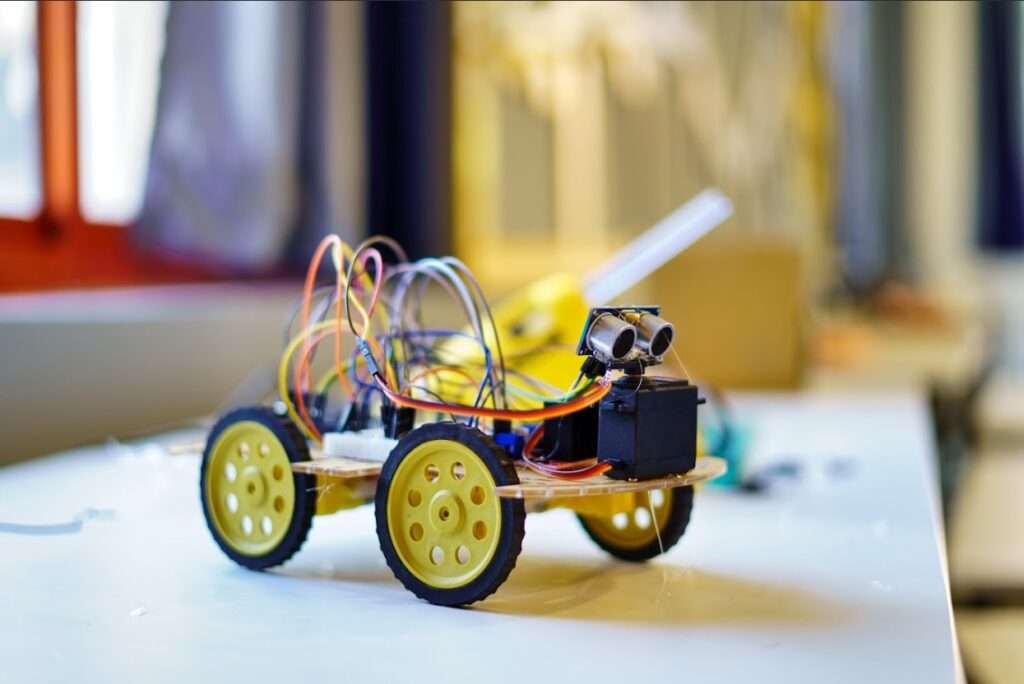
Asian countries such as Singapore, South Korea, China, and India continue expanding technology-based education initiatives through robotics competitions, AI learning programs, startup incubators, and research-focused STEM activities. Policymakers in the region view STEM development as essential for economic competitiveness and long-term technological leadership.
In North America and Australia, universities and industries are working together to create workforce-aligned STEM pathways. New internship programs, innovation hubs, and career-focused training initiatives are helping students gain real-world experience in sectors such as renewable energy, aerospace, healthcare technology, and advanced manufacturing.
Artificial intelligence has become one of the biggest drivers of change in education policy worldwide. Schools and universities are increasingly adopting AI-powered learning tools, virtual simulations, and adaptive learning systems to improve classroom engagement and personalized education experiences. Experts believe AI literacy will soon become a core requirement across multiple industries.
Another major focus of global STEM reforms is increasing participation among women and underrepresented communities. Governments and international organizations are introducing scholarships, mentorship programs, and outreach campaigns aimed at improving diversity in science and technology careers.
Education analysts say the rapid evolution of global industries is forcing education systems to move beyond traditional memorization-based learning toward more practical, interdisciplinary, and innovation-driven approaches. Critical thinking, creativity, collaboration, and digital fluency are now considered essential workforce skills.
As the global economy becomes increasingly technology-dependent, policymakers believe strong STEM education systems will play a critical role in economic growth, innovation, and national competitiveness. The worldwide shift toward STEM-focused policies reflects a broader effort to prepare future generations for an increasingly digital and rapidly changing world.