
DIY Weather Station: A Complete Guide to Building Your Own Weather Monitoring System
Creating a DIY weather station is one of the most exciting and meaningful learning experiences for school students. In a world where climate changes affect daily life, understanding the weather has become more important than ever. Schools today seek new ways to make science enjoyable, practical, and hands-on, and building a DIY weather station is the perfect choice. It combines electronics, creativity, curiosity, and outdoor scientific exploration—everything that inspires a young learner.
When students engage in an Arduino weather monitoring project, they get to explore how weather data is collected and studied. They learn how temperature, humidity, rainfall, and wind speed are measured using sensors and how this information is recorded using a DIY climate data logger. Instead of just reading about weather in textbooks, students “experience” it through observation and experimentation. This helps them develop a deep understanding of how the environment works.
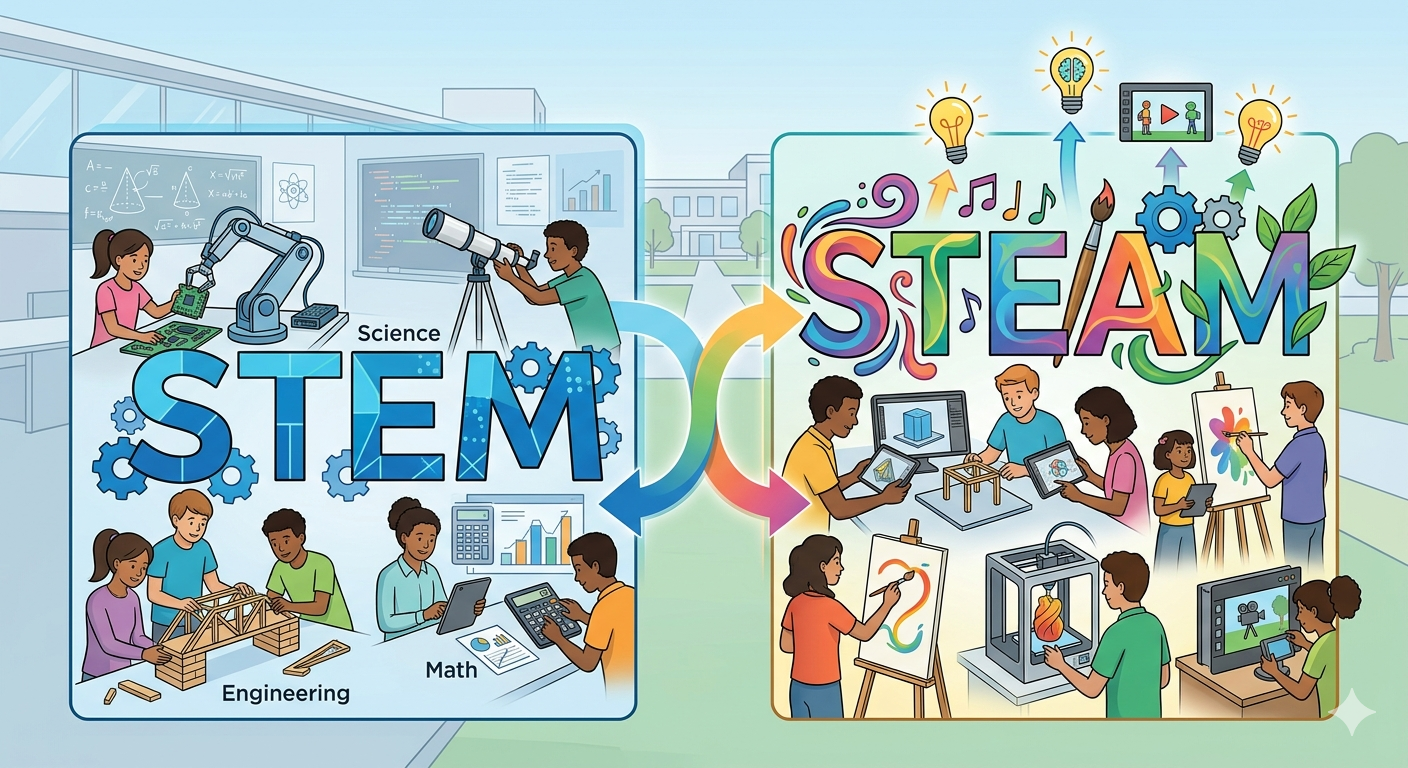
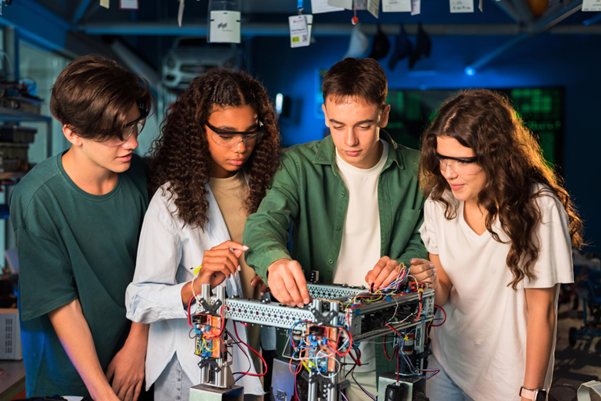
Schools benefit greatly from encouraging such projects. Students learn teamwork, logical thinking, coding basics, and practical electronics. At the same time, they gain confidence in handling tools, wires, and sensors. A DIY weather station also strengthens STEM Edcuation learning because it brings together science, technology, engineering, and math in one simple yet impactful activity. Most importantly, it turns every child into a young scientist who enjoys asking questions and discovering answers.

Understanding the DIY Weather Station
A DIY weather station is a small, self-built setup used to measure real-time weather conditions. Students use simple tools and sensors to record temperature, rainfall, humidity, and wind movement. Schools often choose this project because it helps students see how weather forecasting works in the real world. Instead of depending on weather apps, students collect their own climate data, compare the results, and analyse the changes. This hands-on interaction builds curiosity and scientific temper.
Arduino Weather Monitoring Project for Students
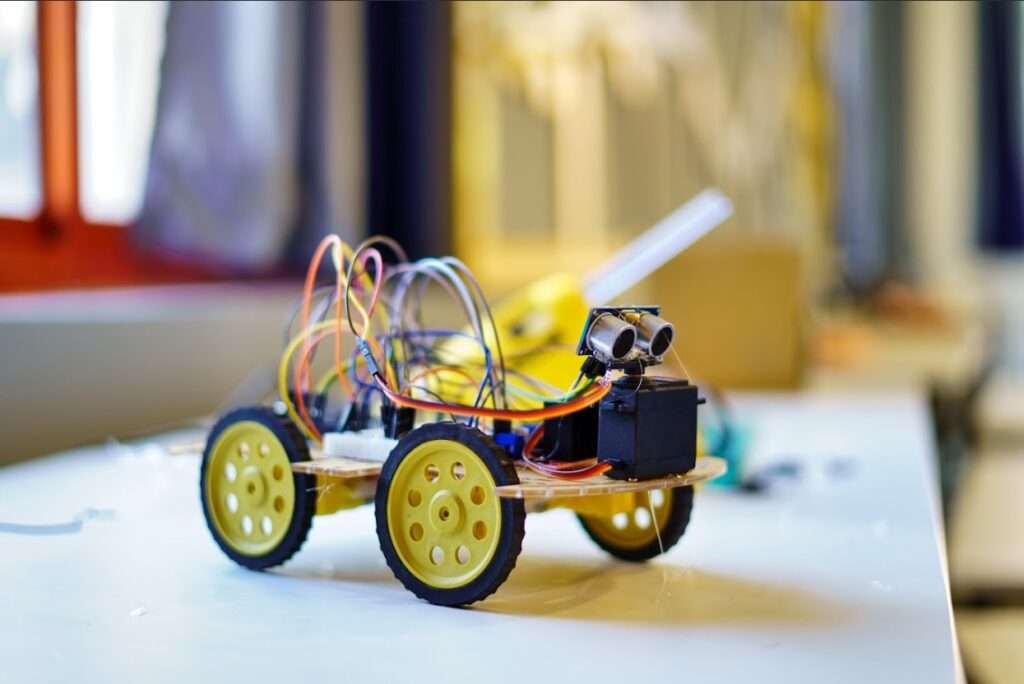
An Arduino weather monitoring project uses an Arduino board as the brain of the system. Students connect temperature sensors, humidity sensors, and rain detection modules to the Arduino. It reads the data and displays it on a screen or stores it in memory. Schools prefer this project because the coding part is simple enough for beginners. Students quickly learn how the Arduino interprets signals and converts them into readable weather information.
They also understand how real-world weather stations work. For example, the temperature recorded in the school playground may vary throughout the day. Students can analyse why it happens, how sunlight affects readings, and how location influences climate. This brings classroom science to life.
Homemade Weather Station Sensors
One of the most exciting parts of this project is making homemade weather station sensors. Schools love this because it encourages creativity. Students can design tools using simple materials like plastic bottles, cups, sticks, paper, and small electronic components.
They may build a rain gauge using a recycled bottle, a wind vane from cardboard, or even an anemometer from paper cups. These homemade tools connect perfectly with the electronic sensors of the weather station. This combination of creativity and technology makes learning truly memorable.
DIY Climate Data Logger for Schools
A DIY climate data logger helps students store weather readings over time. Instead of writing everything manually, the system automatically records data on a memory card or computer. Schools can use this recorded information for:
- Classroom discussions on climate
- Science project reports
- Weather comparison charts
- Demonstrations during exhibitions
Students enjoy watching how the temperature changes from morning to afternoon or how the humidity increases after rain. The data logger turns raw numbers into meaningful scientific insight.

Electronics Project for Beginners
This is one of the best electronics projects for beginners because it requires no advanced knowledge. Students learn basic circuits, sensor connections, and simple code. It boosts their confidence in handling electronics and motivates them to explore more STEM projects in the future. Teachers also find it easy to guide because the setup is straightforward and safe for classroom use.
Build Your Own Weather Tracker
When students try to build their own weather tracker, they feel excited to see their first real scientific instrument in action. It builds a sense of responsibility and joy. Schools often showcase these trackers in science fairs, annual day exhibitions, and STEM showcases because they attract attention and demonstrate real learning.
Students become proud creators rather than passive learners, which makes a major difference in their education journey. This experience stays with them long after the project is completed.
Conclusion: Create Young Climate Champions
A DIY weather station is not just a project—it’s an inspiring journey that creates curious thinkers, problem-solvers, and future innovators. When students work with sensors, connect circuits, run an Arduino weather monitoring project, build a homemade weather station, and use a DIY climate data logger, they learn concepts that will help them in higher education and everyday life.
Schools that introduce this project bring a powerful form of learning to the classroom—learning that is creative, practical, and unforgettable. This is how young climate champions are born.
Book your free trial class today! Let your students explore the joy of building their own weather tracker and become confident young innovators.