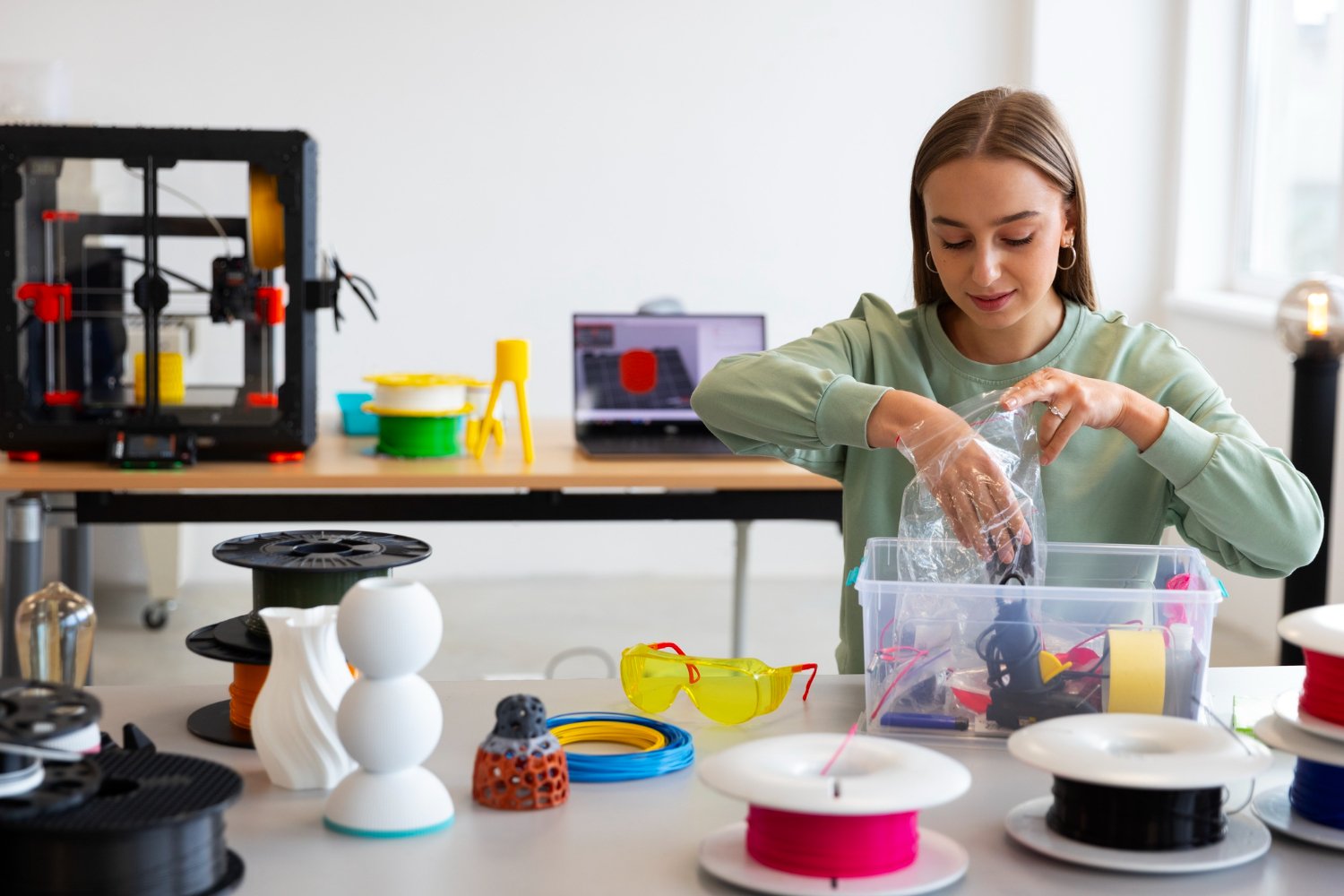
DIY Science Kits at Home: Fun and Educational Experiments for Kids and Families
Introduction
Science becomes exciting when children can explore it beyond textbooks. DIY science kits at home are a wonderful way to help kids learn by doing, while families actively take part in the learning process. These activities allow children to see how science works in real life, using simple materials and easy steps. When kids build, test, and observe things on their own, learning becomes fun, meaningful, and memorable.
DIY science kits at home help children develop curiosity, creativity, and confidence. Parents do not need special knowledge—just time, interest, and encouragement. These projects help children ask questions, try new ideas, and understand concepts in a practical way. They also strengthen family bonding, as parents and children work together toward a common goal. Below are ten engaging DIY science kits that kids can easily try at home with family support.
1. Volcano Eruption Model
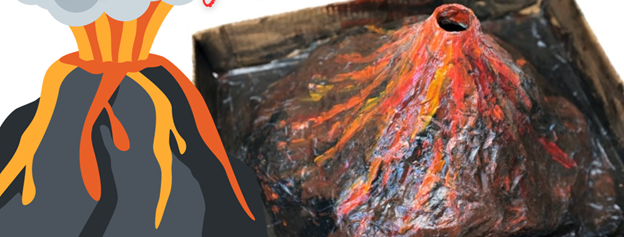
This project introduces children to basic chemical reactions. The experiment uses the reaction between baking soda and vinegar. To do this, children create a small volcano shape using clay or paper, place baking soda inside it, and slowly pour vinegar mixed with food colour. The result is a bubbling eruption that looks like lava flowing out. This experiment helps children understand how gases are released during chemical reactions. Similar reactions are used in industries, medicine, and cleaning products.
2. Balloon Rocket
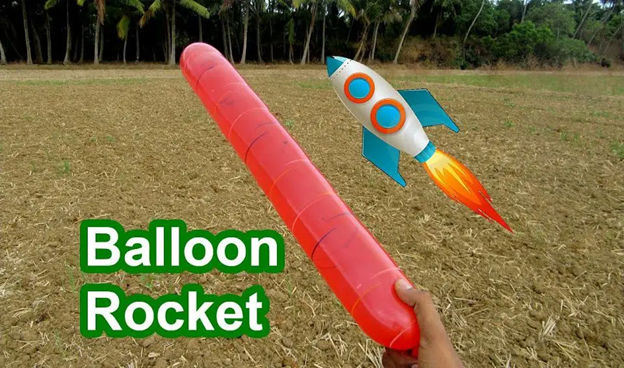
The balloon rocket project teaches children about motion and air pressure. A balloon is blown up and taped to a straw, which is threaded onto a string stretched between two points. When the balloon is released, it zooms along the string. The result shows how air pushes objects forward. This concept is used in real rockets, jet engines, and even air-powered machines.
3. Simple Water Filter
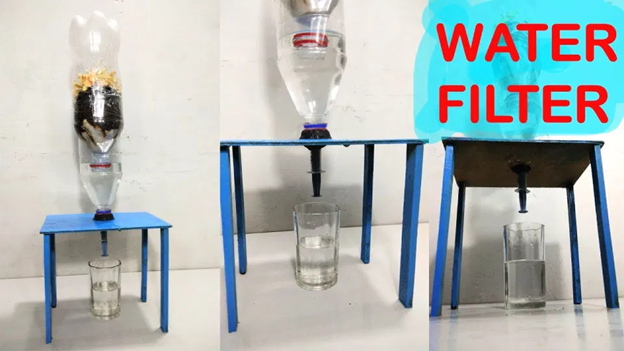
This project introduces the concept of filtration and environmental science. Children create a filter using a plastic bottle filled with layers of stones, sand, and cotton. Dirty water is poured in from the top and cleaner water comes out at the bottom. The result helps children understand how impurities are removed from water. This method is similar to the process used in water treatment plants to provide clean drinking water.
4. Floating and Sinking Experiment
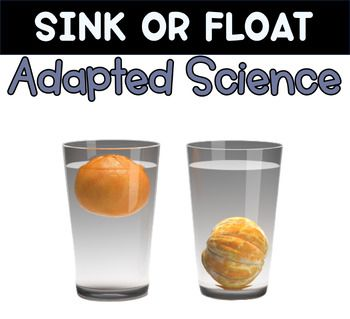
This experiment helps children understand density. Kids place different objects such as plastic toys, coins, leaves, and stones into a bowl of water and observe whether they float or sink. The result shows that objects with lower density float while heavier ones sink. This principle is used in shipbuilding, submarine design, and marine transport.
5. Growing a Seed Plant
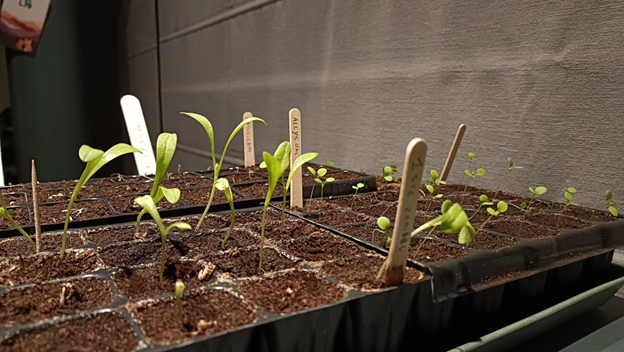
This project teaches children about plant life and growth. A seed is planted in soil and watered regularly. Children observe changes over several days as the seed sprouts and grows into a plant. The result helps children understand how plants need water, sunlight, and soil to grow. This knowledge is essential in farming, gardening, and food production.
6. Magnet Explorer
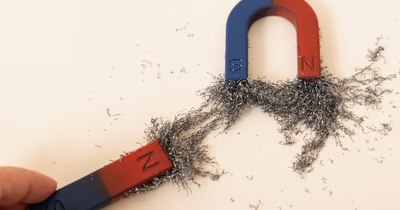
This project introduces children to magnetism. Kids use a magnet to test various objects and see which ones are attracted. The result helps them understand magnetic forces. Magnetism is used in electric motors, speakers, refrigerators, and even waste recycling systems where metal is separated.
7. Shadow and Light Experiment
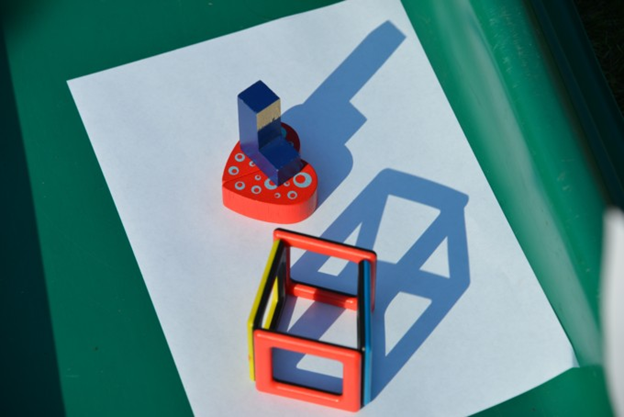
This project helps children understand how light travels. Using a torch or lamp, children shine light on different objects to create shadows. By moving the object closer or farther, they see how the shadow changes in size. The result shows how light direction affects shadows. This concept is used in photography, filmmaking, and solar panel positioning.
8. Simple Electric Circuit
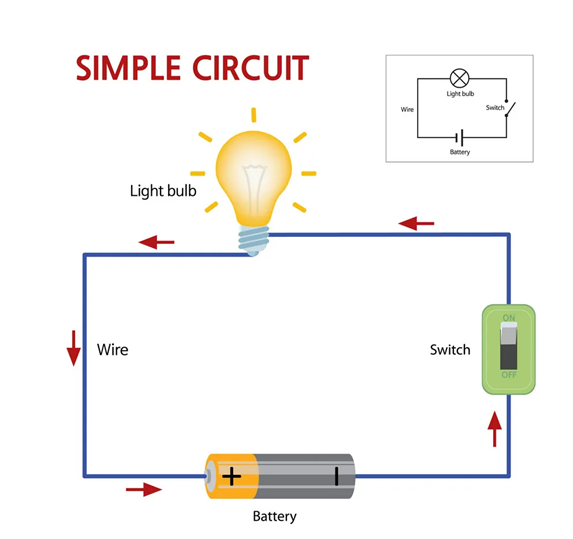
This project introduces basic electrical concepts. Using a battery, wires, and a small bulb or LED, children create a closed circuit. When the circuit is complete, the light turns on. The result shows how electricity flows. This idea is used in all electrical devices such as lamps, fans, and mobile chargers.
9. Rain Cloud in a Jar
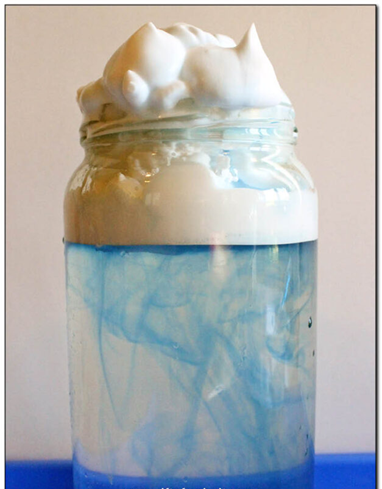
This project explains the water cycle. A jar is filled with water, and shaving foam is placed on top to represent clouds. Coloured water is slowly added until it passes through the foam and falls like rain. The result helps children understand how clouds hold water and produce rain. This knowledge is used in weather forecasting and climate studies.
10. Sound Vibration Experiment
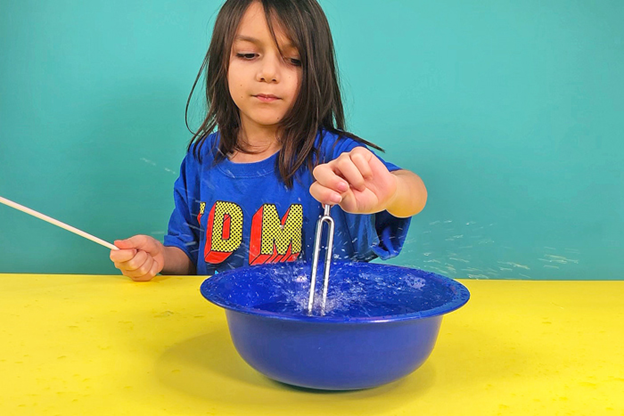
This project helps children understand sound. A metal spoon or tuning fork is tapped and placed near water. Ripples form on the surface, showing that sound comes from vibrations. The result helps children understand how sound travels. This concept is used in musical instruments, microphones, and communication systems.
Learning Benefits of DIY Science Kits at Home
DIY science kits at home help children learn through experience rather than memorization. They improve observation skills, logical thinking, and problem-solving abilities. Children also gain confidence when they complete a project successfully. Family involvement makes learning more enjoyable and meaningful, as children feel supported and encouraged.
Conclusion
DIY science kits at home turn everyday moments into powerful learning experiences. Through these ten simple and engaging science projects, children explore important concepts from chemistry, physics, biology, and environmental science. With the guidance of family members, kids build curiosity, confidence, and a love for learning that lasts a lifetime. Encouraging science at home today helps create thoughtful, creative, and innovative minds for the future.