
Fun Science Experiments for High School to Spark Curiosity
Science becomes truly exciting when students can see concepts in action. Hands-on experiments not only make learning fun but also help students understand complex ideas in a simple and engaging way. From chemical reactions to air pressure, these activities turn classrooms into mini laboratories full of discovery.
In this blog, we will explore some fun and easy science experiments that high school students can try, along with the scientific principles behind them.
Baking Soda and Vinegar Volcano: What Happens When Two Simple Substances React?
One of the most popular and exciting experiments is the baking soda and vinegar volcano. This classic activity demonstrates a chemical reaction in a visually impressive way.
Materials Needed
- Baking soda
- Vinegar
- Dish soap (optional)
- Food colouring (optional)
- A container or model volcano
What Happens?
When baking soda (a base) reacts with vinegar (an acid), it produces carbon dioxide gas. This gas creates bubbles, causing the mixture to fizz and overflow like a volcanic eruption. The reaction is a great example of an acid-base reaction.
Scientific Concept
This experiment demonstrates chemical reactions and gas formation. The equation behind the reaction shows how carbon dioxide is released, creating pressure that forces the liquid out.
This simple yet powerful experiment helps students understand how everyday substances can interact in surprising ways.
Invisible Ink with Lemon Juice

Invisible ink is a fascinating experiment that combines science with a bit of mystery. It allows students to write secret messages that can only be revealed under specific conditions.
Materials Needed
- Lemon juice
- Cotton swab or brush
- White paper
- Heat source (light bulb or iron)
What Happens?
When you write on paper using lemon juice, the message remains invisible after drying. When heat is applied, the message appears as a brownish colour.
Scientific Concept
Lemon juice contains organic compounds that oxidise when heated. This oxidation changes the colour of the writing, making it visible.
This experiment introduces students to concepts like oxidation reactions and heat sensitivity, while also making learning interactive and fun.
Learn More About: Best Roblox Games
Dancing Raisins: How Do Gases Cause Movement in Liquids?
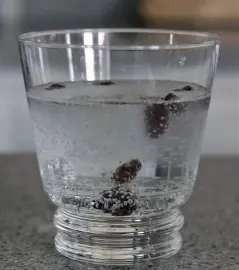
The dancing raisins experiment is both simple and entertaining. It demonstrates how gases can affect the movement of objects in a liquid.
Materials Needed
- A glass of clear soda (like sparkling water)
- Raisins
What Happens?
When raisins are dropped into the soda, they sink to the bottom and then rise again repeatedly, appearing to “dance.”
Scientific Concept
Carbon dioxide bubbles attach to the rough surface of the raisins, making them buoyant enough to rise. When the bubbles burst at the surface, the raisins sink again.
This experiment explains buoyancy and gas behaviour in liquids, making it easier for students to understand density and movement.
Egg in a Bottle: How Does Air Pressure Work?

This experiment looks almost like magic, but it is actually a demonstration of air pressure. It shows how invisible forces can have powerful effects.
Materials Needed
- A boiled egg (peeled)
- A glass bottle with a narrow opening
- Matches or paper
What Happens?
When a small flame is placed inside the bottle, and the egg is set on top, the egg gets sucked into the bottle.
Scientific Concept
The flame heats the air inside the bottle, causing it to expand. When the flame goes out, the air cools and contracts, creating lower pressure inside. The higher external air pressure then pushes the egg into the bottle.
This experiment demonstrates air pressure and temperature changes, helping students visualise concepts that are otherwise hard to see.
Advantages of Fun Science Experiments for High School
1. Enhances Understanding
Hands-on experiments help students understand theoretical concepts more clearly. Instead of just reading or listening, they see the principles in action. This makes learning more meaningful and easier to remember. It bridges the gap between theory and real-world application.
2. Boosts Curiosity and Interest
Fun experiments spark curiosity and encourage students to ask questions. When students enjoy what they are learning, they are more likely to explore further. This curiosity is essential for developing a scientific mindset. It turns learning into an exciting experience rather than a routine task.
3. Encourages Critical Thinking
Experiments require observation, analysis, and reasoning. Students learn to make predictions, test ideas, and draw conclusions. This process improves problem-solving skills and logical thinking. It prepares students for real-world challenges where analytical skills are important.
4. Promotes Active Learning
Instead of being passive listeners, students become active participants in the learning process. They engage directly with materials and concepts. This involvement increases retention and understanding. Active learning also makes classrooms more dynamic and interactive.
5. Develops Scientific Skills
Students gain practical skills such as measuring, observing, and recording data. They also learn how to follow procedures and maintain accuracy. These skills are essential for future studies and careers in science. It builds a strong foundation for scientific exploration.
6. Makes Learning Fun and Memorable
Fun experiments create lasting memories associated with learning. Students are more likely to remember concepts when they are linked to enjoyable activities. This positive experience encourages a lifelong interest in science. It helps remove the fear or boredom often associated with complex subjects.
Conclusion
Fun science experiments are a powerful way to inspire curiosity and deepen understanding among high school students. Whether it is a bubbling volcano, invisible ink, dancing raisins, or an egg pulled into a bottle, each activity engagingly reveals fascinating scientific principles.
These experiments not only make learning enjoyable but also develop essential skills like critical thinking, observation, and problem-solving. By incorporating such activities into education, we can create a more interactive and effective learning environment. Encouraging students to experiment, explore, and question the world around them is the key to nurturing future scientists and innovators.