Inclusive & Sustainable STEM Education: Aligning Learning with Global Impact and SDGs
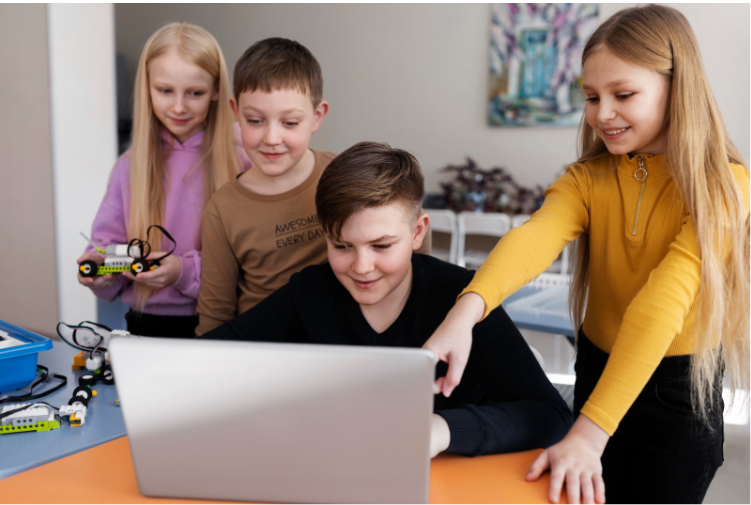
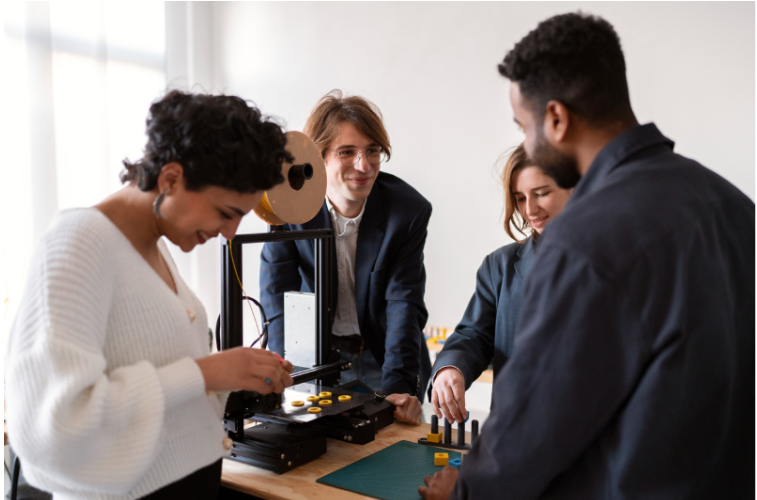
The future of education is no longer limited to academic excellence it is now deeply connected with global responsibility and sustainability. Around the world, STEM education is evolving to become more inclusive, purpose-driven, and aligned with real-world challenges, particularly those outlined in the United Nations Sustainable Development Goals (SDGs). This shift is transforming STEM labs into powerful spaces where students not only learn technology but also understand their role in shaping a better future.
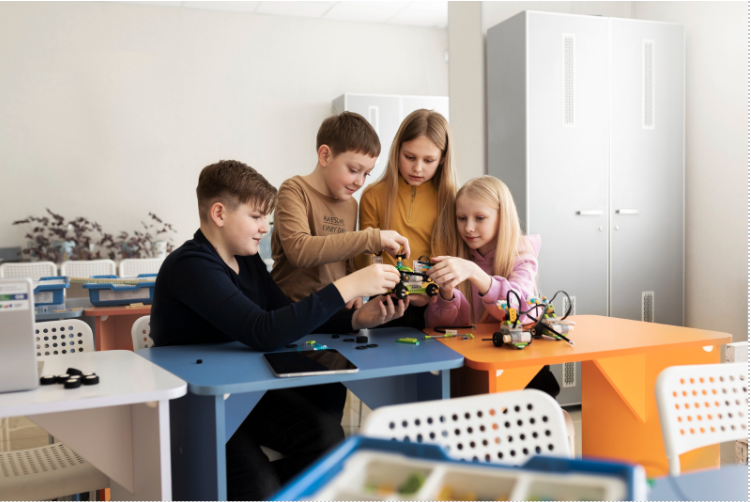
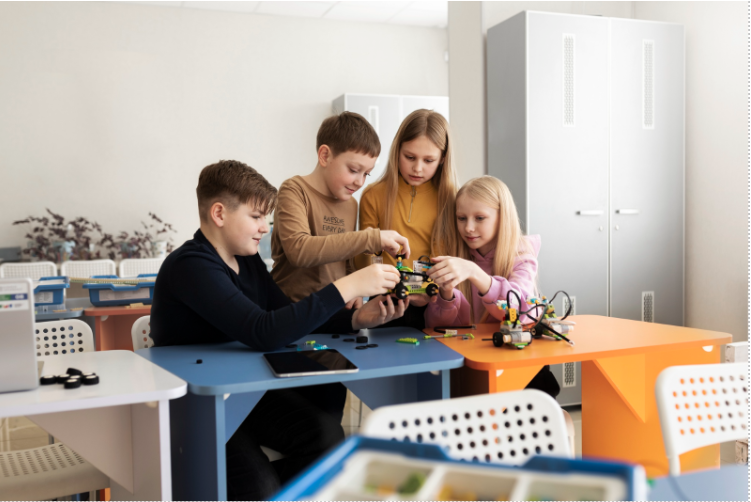
One of the most significant changes in modern STEM education is the integration of climate science and environmental awareness. Students are being encouraged to explore topics like renewable energy, climate change, waste management, and sustainable living through hands-on experiments and projects. Instead of just reading about global warming, learners are building models, analyzing data, and creating solutions that promote environmental responsibility. This practical approach helps them develop a deeper understanding of sustainability and its global importance.
In addition to environmental learning, STEM labs are increasingly focusing on social impact innovation. Students are guided to identify real-life problems within their communities such as water scarcity, pollution, or accessibility issues and design solutions using science and technology. This approach nurtures empathy, creativity, and problem-solving skills, turning young learners into innovators who think beyond textbooks. By connecting STEM education with societal needs, schools are preparing students to become responsible global citizens.
Another critical aspect of this transformation is the introduction of ethical artificial intelligence (AI). As AI becomes a central part of our lives, students need to understand not only how it works but also its ethical implications. STEM programmes now include discussions on data privacy, algorithmic bias, and responsible use of technology. This ensures that future innovators build systems that are fair, transparent, and beneficial to society.
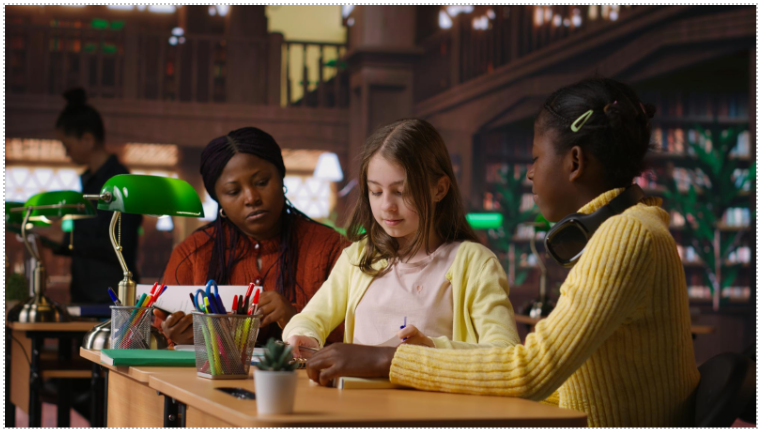
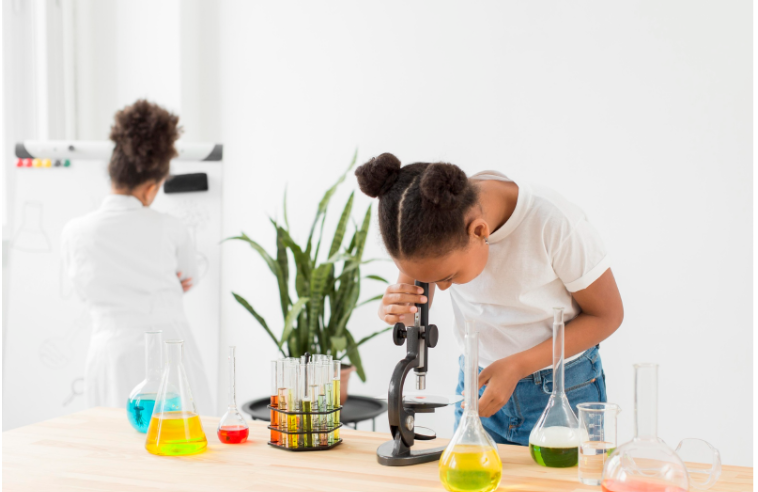
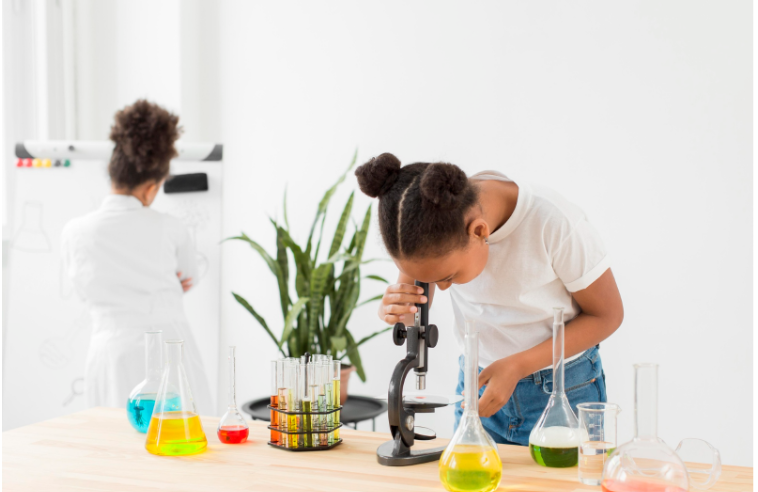
Inclusivity is also at the heart of this new STEM approach. Efforts are being made to ensure equal access to quality education for all students, regardless of gender, economic background, or physical abilities. Schools and organisations are introducing adaptive learning tools, accessible lab environments, and targeted programmes to encourage participation from underrepresented groups. This inclusive model ensures that every student has the opportunity to learn, innovate, and contribute.
By aligning STEM education with the SDGs, schools are redefining the purpose of learning. STEM labs are no longer just spaces for experiments; they are becoming innovation hubs for global change. Students are empowered to think critically, act responsibly, and develop solutions that address some of the world’s biggest challenges.