World Smallest Robots Can Think, Move, and Heal—A New Era for STEM Education
Imagine a robot so tiny it’s barely visible to the naked eye, yet capable of sensing its environment, moving independently, and even healing itself. This is no longer science fiction—scientists at the University of Pennsylvania and the University of Michigan have unveiled the world’s smallest fully programmable, autonomous robots, each measuring just 0.2 by 0.3 by 0.05 millimetres, about the size of a microorganism. Powered and programmed by light pulses, these robots are not only revolutionary for medicine and manufacturing but also set to transform STEM education in classrooms around the globe.
The Science Behind the Micro-Robot Revolution
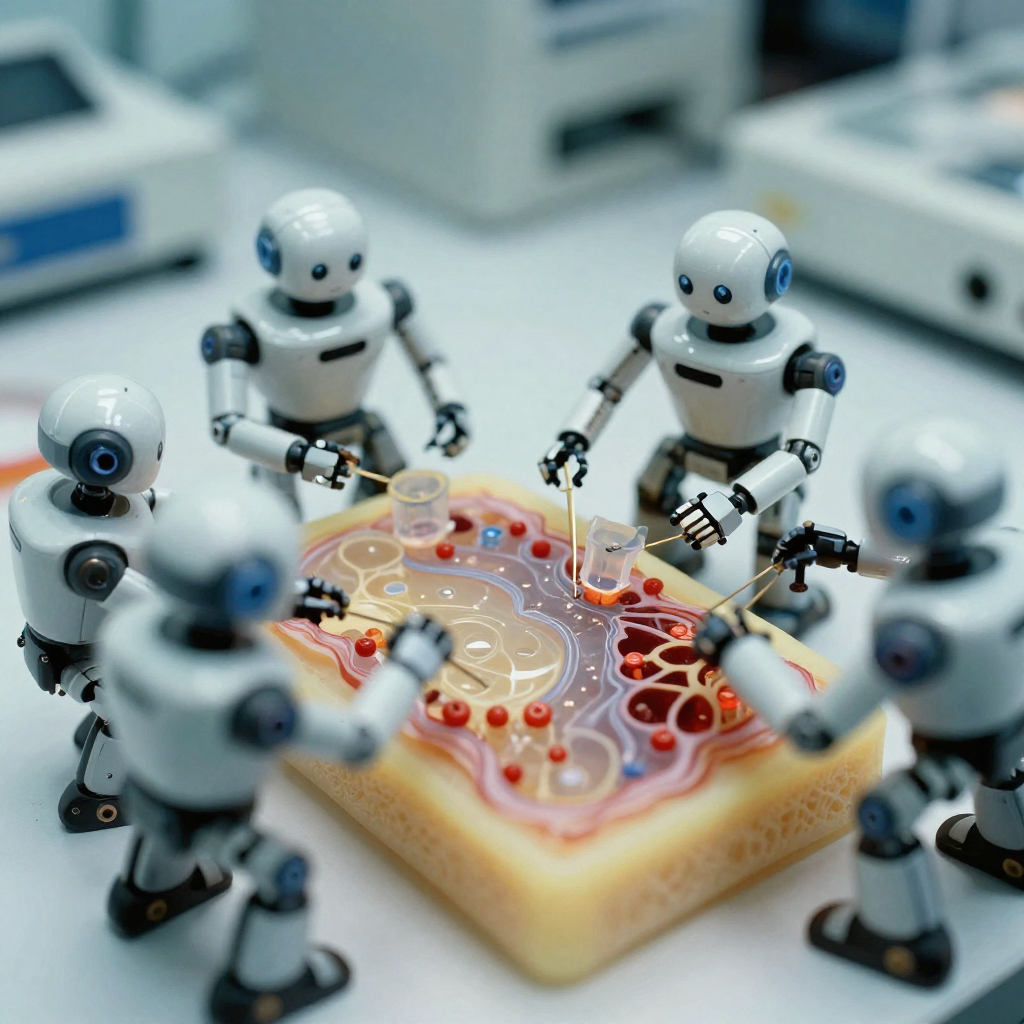
These microscopic robots operate on a scale previously unimaginable. Each unit is equipped with a micro “brain” that allows it to process information, adjust movement patterns, and respond to environmental changes like temperature and light. Thanks to their unique identifiers, every robot can be individually programmed, making them ideal for complex, coordinated tasks. Researchers have demonstrated that these robots can swim, sense heat, and even work in swarms, adapting and healing as a collective unit when damaged.
How These Robots Are Changing STEM Education
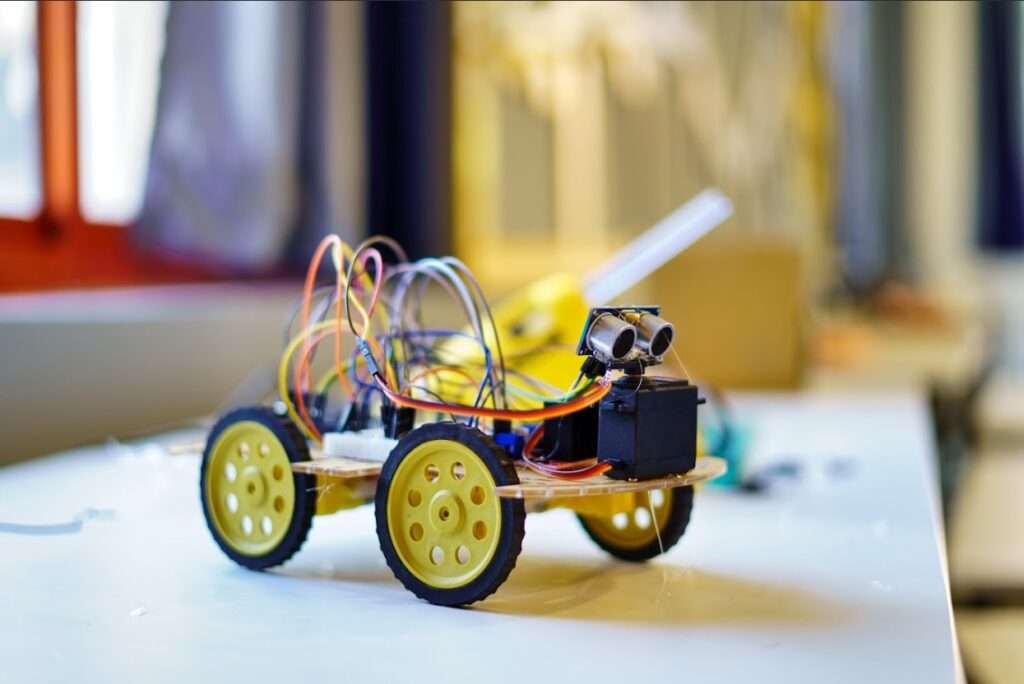
The impact on STEM education is profound. For the first time, students can learn about robotics, programming, and artificial intelligence at a scale that feels both accessible and futuristic. Schools are beginning to integrate micro-robot kits into their curricula, allowing students to experiment with real-world applications of robotics and coding. Hands-on projects using these tiny robots teach students about sensor technology, swarm intelligence, and the basics of autonomous systems, all while sparking curiosity and creativity.
Real-World Applications and Classroom Potential
In the classroom, micro-robots can be used for a range of activities—from exploring how robots sense and respond to their environment, to designing simple swarm behaviours and troubleshooting programming challenges. These robots are not just tools for learning; they are gateways to understanding the future of technology. Students can see firsthand how robotics is used in medicine, environmental monitoring, and manufacturing, inspiring the next generation of innovators.
Affordable, Scalable, and Inspiring
One of the most exciting aspects of these micro-robots is their cost, just about one penny per unit. This affordability means schools with limited budgets can still provide cutting-edge STEM experiences. The robots’ durability and long operational life (they can work for months) make them perfect for repeated classroom use and experimentation.
A New Chapter in STEM Learning
The arrival of the world’s smallest robots marks a new chapter in STEM education. As students engage with these remarkable machines, they are not just learning about technology—they are experiencing it. This hands-on, immersive approach fosters critical thinking, problem-solving, and a passion for innovation that will shape the future of science and engineering.