UNESCO and IEEE Lead STEM Bootcamp in South Africa to Inspire Girls in Engineering and Sustainable Innovation
To mark the International Day of Women and Girls in STEM (11 February), UNESCO and IEEE partnered with South Africa’s Department of Science, Technology and Innovation (DSTI), Department of Basic Education (DBE), and the University of Pretoria to host a two-day STEM Bootcamp focused on electricity, skyscrapers, and engineering for sustainable cities. Held from 11–12 February 2026 in Pretoria, the initiative aimed to promote hands-on STEM learning while encouraging more young women to pursue studies and careers in engineering and technology-driven fields.
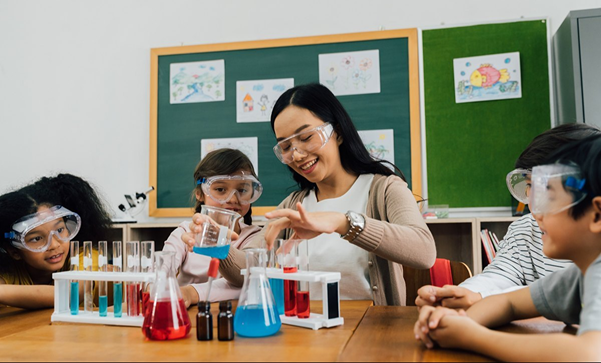
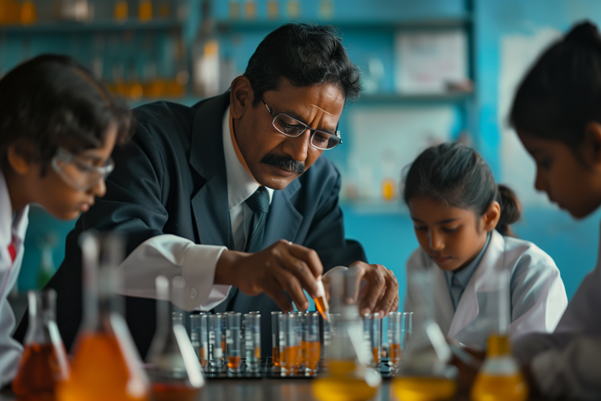
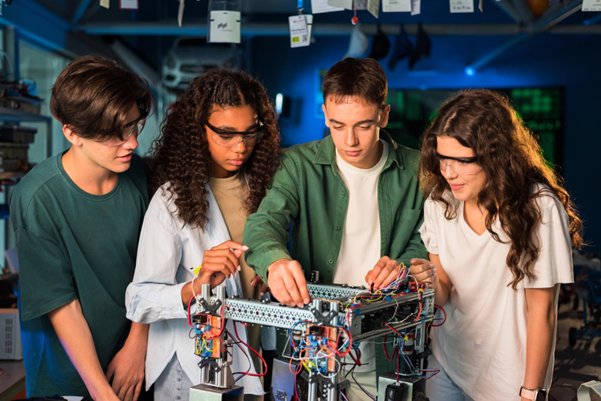
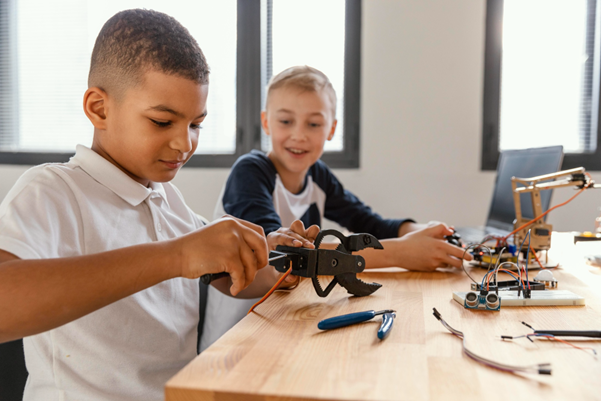
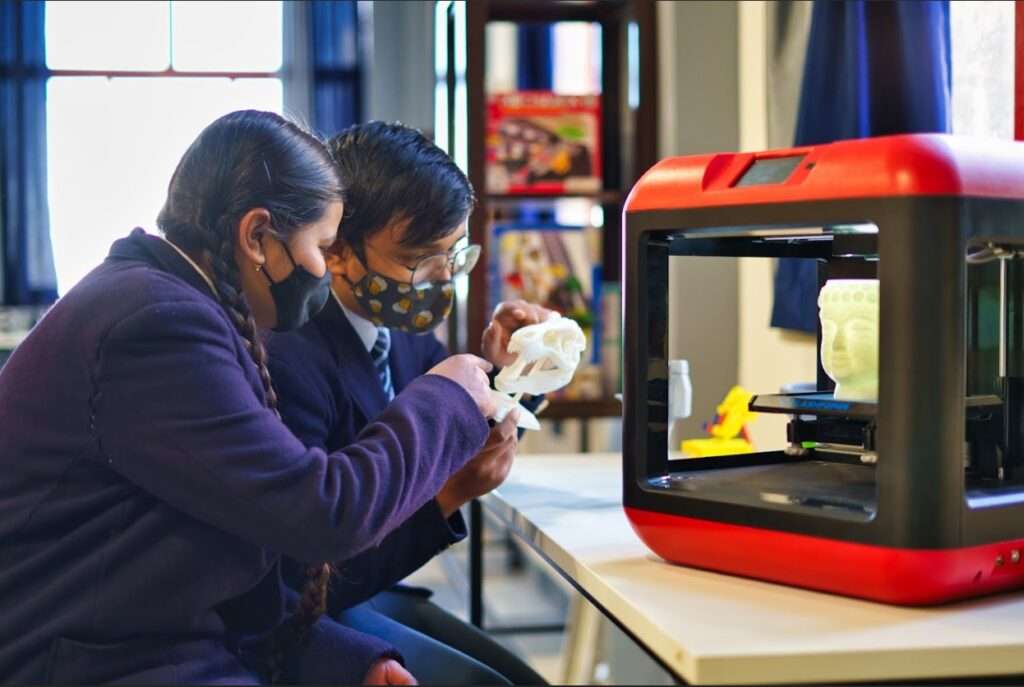
The bootcamp brought together students and educators for immersive workshops centred on real-world applications of science and engineering. Participants explored how electricity powers modern infrastructure, how skyscrapers are designed for structural efficiency, and how sustainable urban planning can address climate and environmental challenges. By connecting theoretical knowledge with practical problem-solving activities, the programme fostered critical thinking, collaboration, and innovation skills among attendees.
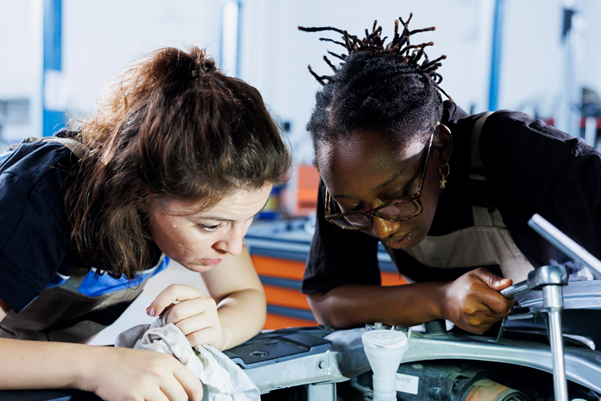
The event reflects a broader global effort to close the gender gap in STEM disciplines. Despite progress in education access, women remain underrepresented in engineering, electricity-related industries, and the built environment sector. Initiatives like this bootcamp are designed not only to spark curiosity but also to build confidence and provide exposure to role models and mentors within technical professions.
Speaking at the launch, Mmampei Chaba, Chief Director for Multilateral Cooperation and Africa at DSTI, emphasised the urgency of equipping Africa’s youth with relevant, future-focused skills. With projections indicating that more than half of Africa’s population will be young people by 2030, she highlighted the importance of aligning education systems with workforce demands in the science and technology sectors. The collaboration between national departments, international organisations, and higher education institutions underscores a shared commitment to strengthening STEM capacity across the continent.
IEEE’s involvement further reinforces the initiative’s technical depth, as the organisation brings global expertise in advancing technology for humanity. Meanwhile, UNESCO continues to champion inclusive and equitable quality education worldwide, with particular focus on increasing female participation in STEM fields.
By combining global partnerships with local implementation, the Pretoria STEM Bootcamp represents a meaningful step toward empowering the next generation of female engineers and innovators. Through experiential learning and strategic collaboration, the initiative aims to cultivate sustainable development leadership while inspiring girls to see themselves as future architects of resilient, technology-driven cities.