UNESCO and Huawei Launch Major STEM Revitalisation Projects Across Europe
In a bold step to reshape the future of science and technology education, UNESCO and Huawei Technologies have joined hands to launch a transformative initiative: five major STEM revitalisation projects across Europe. This collaboration is not just about funding—it’s about reimagining how young people learn, innovate, and prepare for tomorrow’s challenges. The projects, selected from a competitive pool of 37 proposals, are set to revolutionise STEM education by making it more inclusive, innovative, and globally connected.
A Vision for Inclusive STEM
The initiative’s goal is to tackle some of the most pressing societal issues and global challenges through education. From gender equality to digital inclusion, these projects are designed to ensure that every student, regardless of background, has the opportunity to thrive in STEM. The selected projects span diverse areas, including gender-integrated STEM education in Romania, earthquake engineering research in North Macedonia, and digital skills training for refugees and migrants in Germany.
Spotlight on Innovation
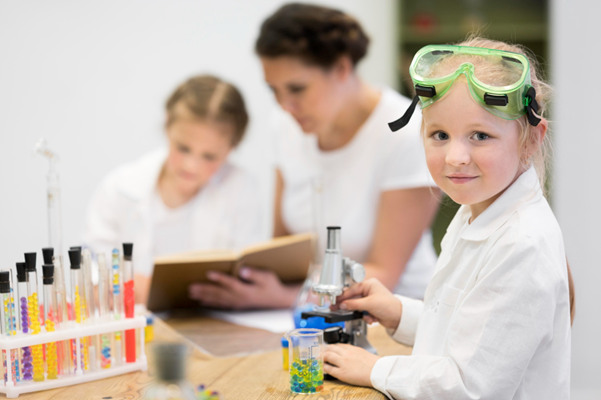
One standout project, “Gender and STEM Education in Romania,” aims to strengthen the role of women in STEM fields by collaborating with schools and organisations dedicated to empowering girls in science and technology. Another, “TechBridge,” focuses on equipping refugees and migrants with advanced digital skills, helping them integrate into the European job market and build better futures. Meanwhile, initiatives like “QUAKESAFE” in North Macedonia and the UNESCO Microscience Experiments Project in Romania are bringing cutting-edge, hands-on STEM experiences to classrooms, making science accessible and exciting for all students.
Building a Global STEM Alliance
Beyond individual projects, the collaboration will establish a Regional STEM Alliance and a STEM clearinghouse. This platform will gather, evaluate, and share educational resources, best practices, and research findings across Europe. Educators and learners will benefit from improved teaching methods, innovative research activities, and a network of support that fosters collaboration and continuous improvement. The initiative is aligned with the United Nations’ Sustainable Development Goals, particularly SDG 4 (Quality Education), SDG 5 (Gender Equality), and SDG 9 (Industry, Innovation, and Infrastructure).
The Road Ahead
With a budget of $450,000 and a 15-month timeline, these projects are just the beginning of a broader movement to equip the next generation with the STEM competencies they need to succeed in a rapidly changing world. By fostering international collaboration, sharing knowledge, and closing the digital and gender gaps in STEM education, UNESCO and Huawei are paving the way for a brighter, more equitable future for students across Europe and beyond.
This landmark initiative is setting a new standard for STEM education, proving that when global organisations unite, the possibilities for innovation and impact are limitless.