

Introduction
Science club STEM learning gives students opportunities to experiment, investigate scientific questions and apply classroom knowledge to real-world challenges. UNESCO is supporting this approach through its Science Club Challenge 2026 – Asia-Pacific Edition, an initiative designed to strengthen science clubs and encourage young people to participate in scientific activities. The programme forms part of a wider effort to connect learners and educators through global science clubs.
The UNESCO Science Club Challenge encourages participating clubs to conduct STEM activities, document their projects and develop plans for sustaining their work. Its focus includes mathematics, physics, chemistry, biology, engineering, robotics and information and communication technology. These activities support Asia-Pacific STEM education by creating opportunities for practical learning, collaboration and youth innovation.
UNESCO Strengthens Science Club STEM Learning
Science club STEM learning can complement classroom teaching by allowing students to explore concepts through practical activities. Instead of relying entirely on theoretical explanations, learners can investigate scientific questions, test ideas and develop projects that demonstrate their understanding.
UNESCO’s Science Club Challenge aims to strengthen this learning environment by encouraging clubs to conduct activities and document their outcomes. The initiative also promotes the long-term development of science clubs, helping them establish plans for continuing their work beyond individual projects or events.
Through this approach, science clubs for students can become spaces for experimentation, teamwork and independent investigation. Learners can explore different STEM subjects according to their interests while developing skills in research, communication and problem-solving.
Connecting Science Clubs Across the Asia-Pacific
The UNESCO Science Club Challenge supports Asia-Pacific STEM education by encouraging science clubs to share their work and participate in a wider learning community. This approach helps students and educators learn from projects developed in different settings.
Connections between global science clubs can encourage the exchange of ideas, teaching approaches and practical activities. A project developed by one group may inspire another club to adapt the concept to its own school or community.
These connections can also help students understand that scientific challenges often extend beyond geographical boundaries. Environmental protection, technological development and public health are examples of areas where scientific knowledge and collaboration can make a difference.
Encouraging STEM Project Learning
STEM project learning is an important part of science club activities because it allows students to apply concepts through investigation and practical work. Projects can involve designing a model, conducting an experiment, collecting data or developing a solution to a specific problem.
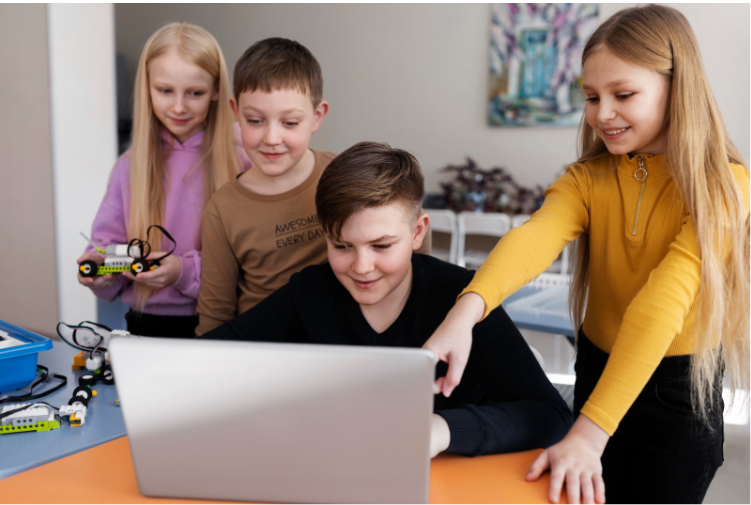
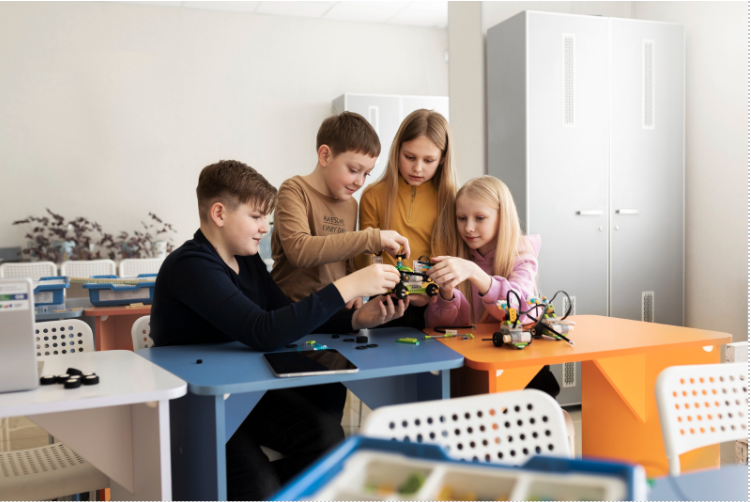
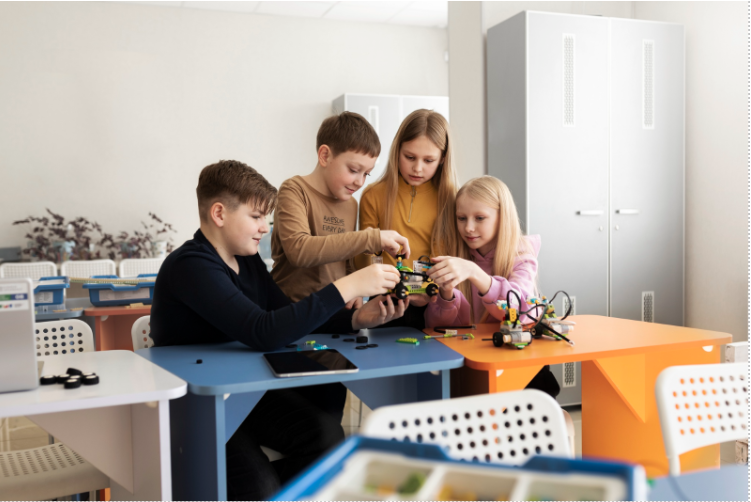
For example, students interested in robotics can explore programming, mechanics and engineering. Learners working on environmental projects may investigate biodiversity, waste management or water conservation.
The UNESCO Science Club Challenge encourages participating clubs to document their activities and present evidence of their work. This process can help students reflect on their progress, identify challenges and consider how their projects could be improved.
Supporting Youth Innovation Through Science
Youth innovation can develop when students are encouraged to ask questions, test ideas and approach familiar problems from new perspectives. Science clubs provide a setting where learners can explore these interests through guided and independent activities.
The challenge considers factors such as innovation, scientific value, impact, inclusiveness, sustainability and collaboration when assessing projects. These areas encourage clubs to look beyond the completion of an activity and consider its educational and practical value.
By combining experimentation with creative thinking, science club STEM learning can help students develop confidence in their ability to investigate problems and propose solutions.
Making STEM Activities More Inclusive
Access to practical science experiences can vary between schools. Science clubs can help create additional opportunities for students to participate in experiments, technology activities and collaborative projects.
An inclusive club allows learners with different interests and abilities to contribute. Some students may focus on research, while others may take responsibility for design, documentation, presentations or testing.
This approach can make science club STEM learning more accessible and encourage participation from students who may not initially consider themselves confident in science or technology.
Building Sustainable Science Clubs
The UNESCO Science Club Challenge places emphasis on the continued development of participating clubs. Clubs are encouraged to prepare a roadmap outlining how they plan to sustain and improve their activities.
Long-term planning can help schools identify the resources, mentorship and partnerships needed to maintain science activities. It can also allow students to build on previous projects rather than starting from scratch each time.
Sustainable science clubs can support continued learning by giving students opportunities to develop more advanced projects, share their knowledge with peers and encourage younger learners to participate.
Conclusion
UNESCO’s Science Club Challenge supports science club STEM learning by encouraging practical projects, collaboration and long-term development across the Asia-Pacific. Its emphasis on STEM project learning, inclusiveness and sustainability gives students opportunities to apply scientific knowledge while developing research and problem-solving skills.
By connecting science clubs for students through a wider international initiative, UNESCO is also creating opportunities for knowledge exchange and youth innovation. These efforts can help strengthen Asia-Pacific STEM education and support a more connected community of global science clubs.
FAQs
The UNESCO Science Club Challenge is an initiative that encourages science clubs to conduct STEM activities, document their projects and plan for their continued development. The Asia-Pacific edition forms part of UNESCO’s wider efforts to support science education and collaboration.
Science club STEM learning gives students opportunities to conduct experiments, apply scientific concepts, work collaboratively and develop problem-solving skills through practical activities.
The challenge covers mathematics, physics, chemistry, biology, engineering, robotics and information and communication technology.
STEM project learning allows students to investigate problems, test ideas and develop practical solutions. It encourages creativity, critical thinking and the application of scientific knowledge.
Global science clubs can connect students and educators across different regions, encourage the exchange of ideas and provide opportunities to learn from different scientific projects and approaches.