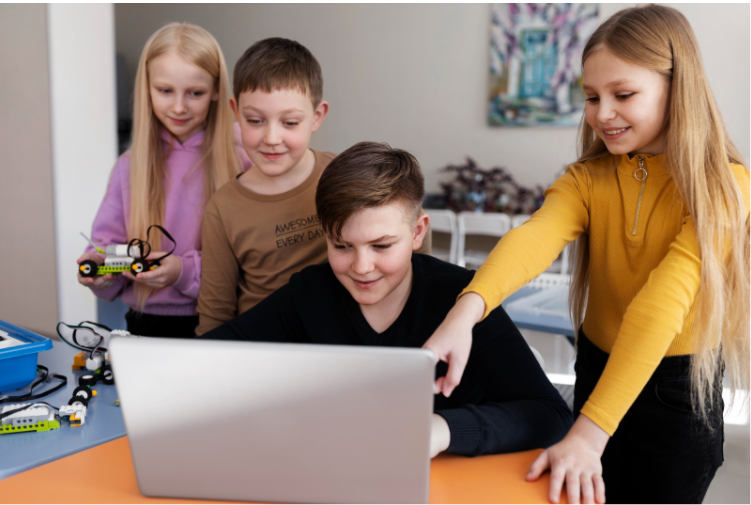
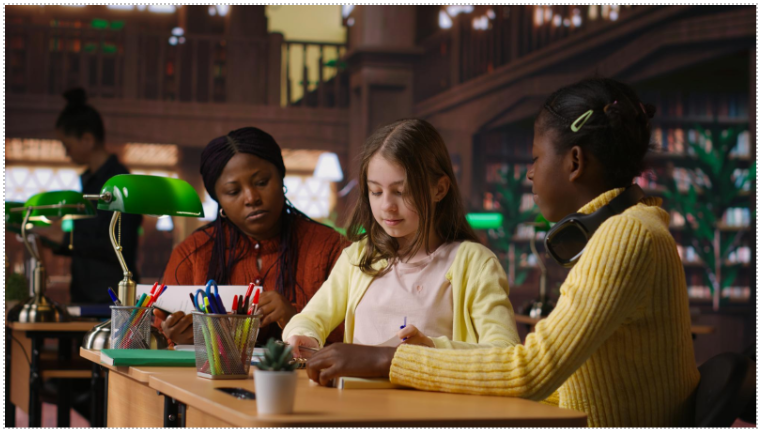
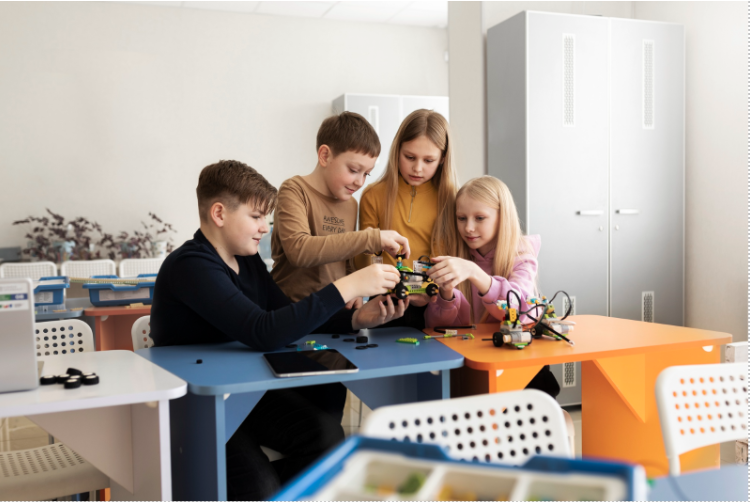
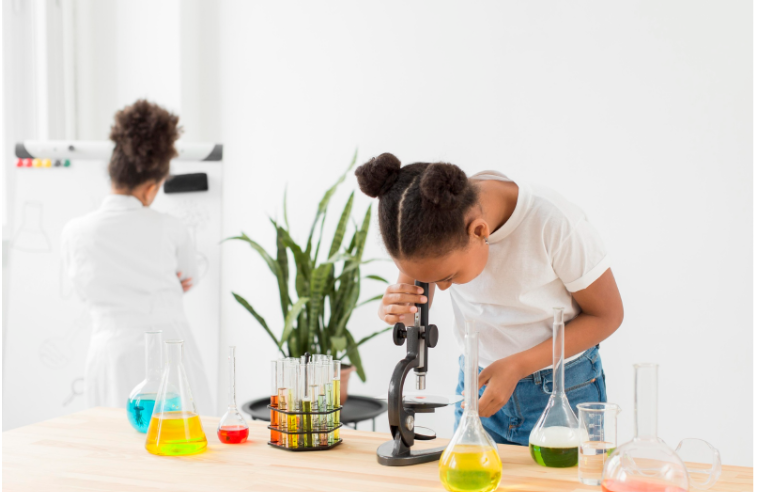
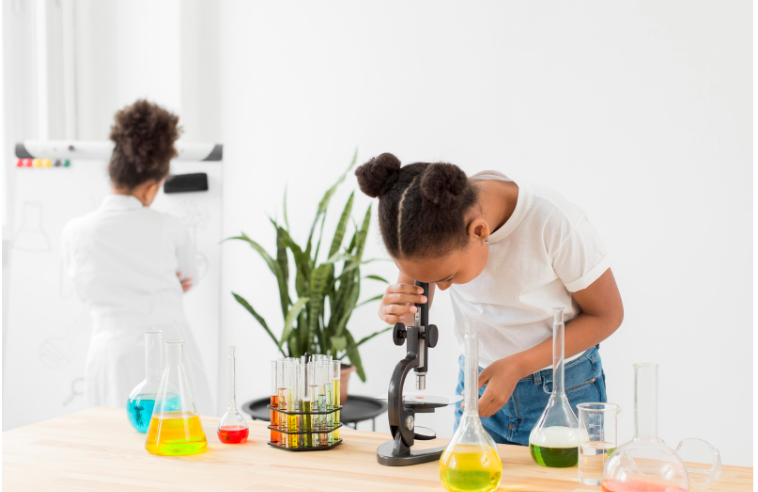
Integrating citizen science for schools transforms ordinary science lessons from passive textbook exercises into authentic scientific discovery. Instead of repeating canned laboratory experiments where the outcome is already printed in the teacher manual, young learners collect genuine observations, classify real astronomical images, or record local biodiversity measurements that professional researchers actively use. In a world where environmental change, public health tracking, and ecological conservation require massive datasets across wide geographic regions, professional scientists rely heavily on public volunteers to gather observations at scale.
When classrooms participate in citizen science for schools, students become active collaborators in real scientific research, gaining firsthand experience with data integrity, peer review, and scientific stewardship. This comprehensive guide explains what citizen science is, how schools can embed authentic projects into existing timetables, and which practical safeguards ensure reliable student data collection.
Project Categories of Citizen Science for Schools
Project Category | Typical Student Activity | Real-World Scientific Output |
Biodiversity and Ecology | Photographing local birds, insects, plants, and pollinators on campus. | Tracks species migration shifts, invasive species spread, and habitat health. |
Weather and Climate Monitoring | Recording daily rainfall, cloud cover, air temperature, and humidity. | Validates satellite weather models and documents microclimate trends. |
Water and Soil Quality Testing | Measuring stream pH, turbidity, dissolved oxygen, and soil moisture. | Identifies watershed pollution early and supports local conservation policy. |
Online Image Classification | Identifying galaxies, wildlife camera photos, or historical ship logs online. | Trains machine learning algorithms and accelerates large-scale data sorting. |
What Is Citizen Science and Why Does It Matter in Education?
Citizen science refers to scientific investigations conducted wholly or partly by amateur or non-professional participants who collaborate with credentialed researchers to answer real-world questions. Rather than serving as passive observers, members of the public contribute structured measurements, field photographs, or digital classifications to shared global databases.
Moving Beyond Cookbook Science Experiments
Traditional school labs often follow predictable recipes where every group mixes identical reagents and expects the exact same textbook graph. While those exercises teach basic equipment handling, they rarely capture the excitement or uncertainty of genuine inquiry. Adopting citizen science for schools changes the classroom dynamic immediately.
Students realize that if they misread a rain gauge or misidentify a local bird species, their error affects an actual dataset used by conservation biologists or meteorologists. That real-world accountability motivates young learners to double-check measurements, calibrate instruments carefully, and take pride in contributing to real scientific research.
High-Impact Citizen Science Domains for K-12 Classrooms
Educators do not need specialized university laboratories or expensive analytical instruments to launch meaningful STEM classroom projects. Several established fields welcome structured contributions from elementary, middle, and high school learners.
1. Local Biodiversity and Phenology Surveys
School campuses, neighborhood parks, and backyard gardens teem with ecological data waiting to be documented. Students can conduct seasonal plant bloom surveys, count migratory birds during specific observation windows, or log insect sightings using smartphone cameras and field guides. Over multiple academic years, these campus observations reveal how seasonal temperatures and urban development influence local wildlife populations.
2. Environmental Monitoring of Air, Water, and Soil
Environmental monitoring projects connect chemistry, earth science, and civic responsibility directly to students’ immediate surroundings. Classes can adopt a nearby pond, stream, or school garden plot to measure pH levels, water clarity, particulate air quality, or soil organic matter. Comparing measurements collected across different seasons or weather events teaches learners how human activity and rainfall patterns affect local ecosystems.
3. Digital Crowdsourcing and Astronomical Classification
For schools with limited outdoor green space or strict campus travel rules, online classification platforms bring global research straight to classroom computers. Students can inspect real telescope images to classify spiral and elliptical galaxies, transcribe historical weather logs from nineteenth-century voyages, or identify animals captured on remote wildlife trail cameras. Because dozens of volunteers review each image independently, collective consensus ensures high accuracy while exposing students to authentic datasets.
Step-by-Step Guide to Launching Citizen Science in Your School
Successfully embedding citizen science for schools requires aligning project workflows with existing curriculum standards and class schedules.
1. Select a Project Matched to Curriculum Goals and Grade Level
Choose an investigation that reinforces topics teachers already cover, such as ecosystems, weather systems, data literacy, or astronomy. Elementary students thrive on straightforward visual counting tasks, whereas high school learners can handle multi-variable water chemistry testing and statistical trend analysis.
2. Train Students on Standardized Observation Protocols
Scientific datasets remain useful only when every contributor follows identical rules. Dedicate an introductory class session to practicing measurement protocols, using clear identification keys, and running mock observations on campus so students understand how to avoid biased or incomplete entries.
3. Establish a Consistent Data Collection Routine
Schedule brief, recurring observation windows—such as fifteen minutes every Tuesday morning—rather than treating data gathering as a one-off field trip. Consistent time-series records build stronger analytical skills and produce far more valuable scientific insights.
4. Analyze Local Class Data Before Uploading
Before submitting observations to a public repository, guide students through reviewing their own spreadsheets. Have them spot obvious outliers, verify units of measurement, and create local graphs comparing their school’s findings with regional trends.
Best Practices for Teachers, Parents, and School Coordinators
Maintaining high data quality while protecting student privacy ensures a smooth, rewarding experience for everyone involved.
Verify Data Before Final Submission: Set up a teacher or peer review step where student teams cross-check species identifications and numerical readings before uploading records to external databases.
Protect Student Digital Privacy: Use shared classroom educator accounts rather than having young students create individual public profiles or share personal location metadata from home addresses.
Involve Parents and Local Communities: Invite families to participate in weekend BioBlitz events or neighborhood sky-glow observations, extending scientific curiosity beyond classroom walls.
Celebrate Real Contributions: Display certificates, maps showing where student observations appear in global databases, and summaries of published studies that utilized crowd-sourced data.
Frequently Asked Questions
Citizen science is public participation in real scientific research, where students, teachers, and everyday volunteers collect observations, measurements, or image classifications that help professional scientists answer important questions.
No. Many citizen science for schools projects require only basic classroom supplies such as thermometers, rulers, notebooks, or standard school tablets and computers with internet access.
Professional research teams ensure data reliability through clear step-by-step protocols, photo verification uploads, automated range checks, and crowd consensus where multiple observers review the same item.
Students of all ages can contribute, from elementary learners counting backyard birds or cloud types to high school students conducting chemical water testing and analyzing multi-year climate datasets.
Participating in authentic student data collection directly satisfies core curriculum standards for scientific inquiry, experimental design, graphing, statistical reasoning, and real-world problem solving.