
New exam changes announced: CBSE implements two-cycle class X Board exams to reduce student stress, Practical exams are now a one-time assessment
The Central Board of Secondary Education (CBSE) is ushering in a major reform in the examination system for Class X students that aims to alleviate exam-related stress and promote a balanced learning approach. Starting from the academic year 2025-26, CBSE will implement a two-cycle board exam system for Class X, a pioneering move aligned with the National Education Policy (NEP) 2020 that emphasises student-centric education.
Under this new system, students will have the opportunity to take their board exams twice in a single academic year. The first exam cycle will be mandatory and conducted around February to March, covering approximately half of the syllabus, while the second exam will be optional and held around May or June, allowing students to improve their scores or make up for any missed attempts.
The most remarkable feature of this reform is that students’ best score between the two attempts will be considered as the final marksheet score. This ensures that no student is disadvantaged due to one poor performance and encourages a mindset where students can learn from their first attempt without the pressure of a do-or-die situation. It also fosters consistent study habits, as the syllabus is divided into two halves, making preparation more manageable and less overwhelming. Instead of cramming the entire syllabus for a single examination, students can focus on understanding and mastering smaller portions at a time, which significantly lowers anxiety levels.
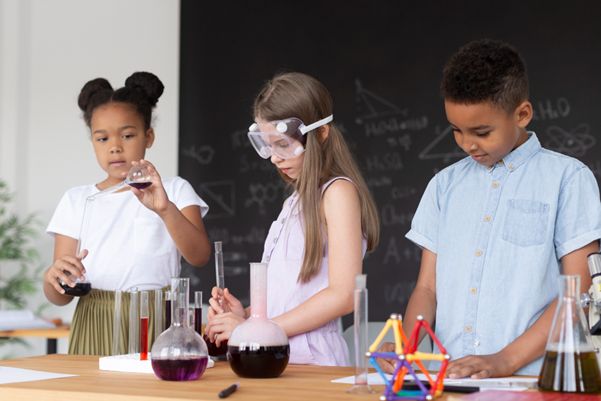
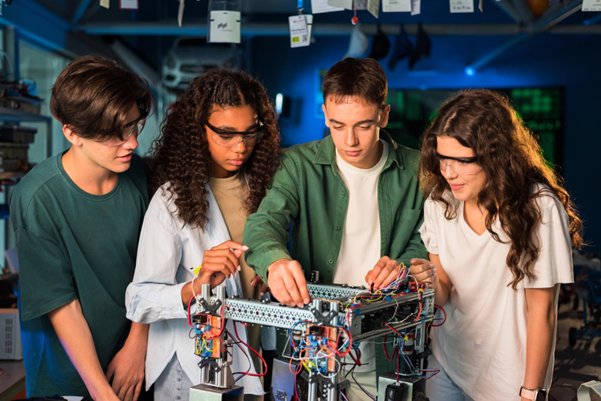
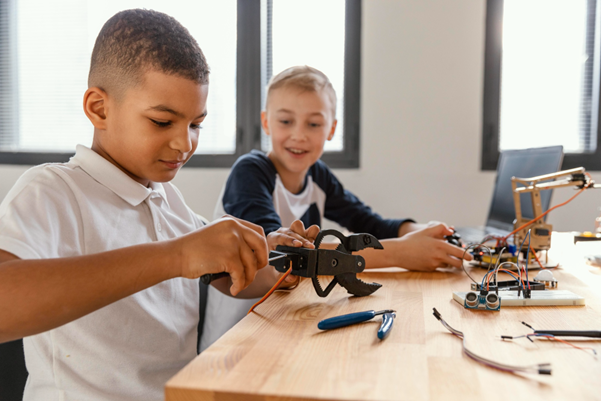
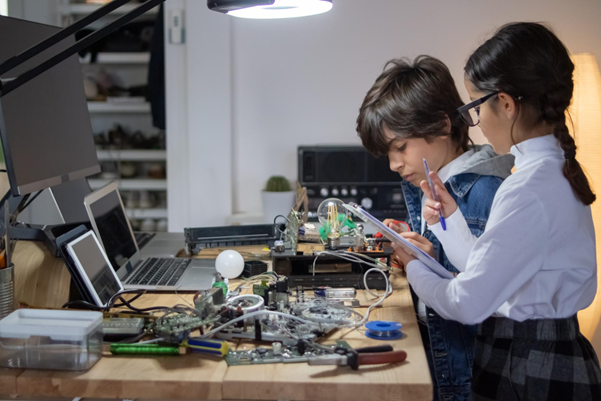
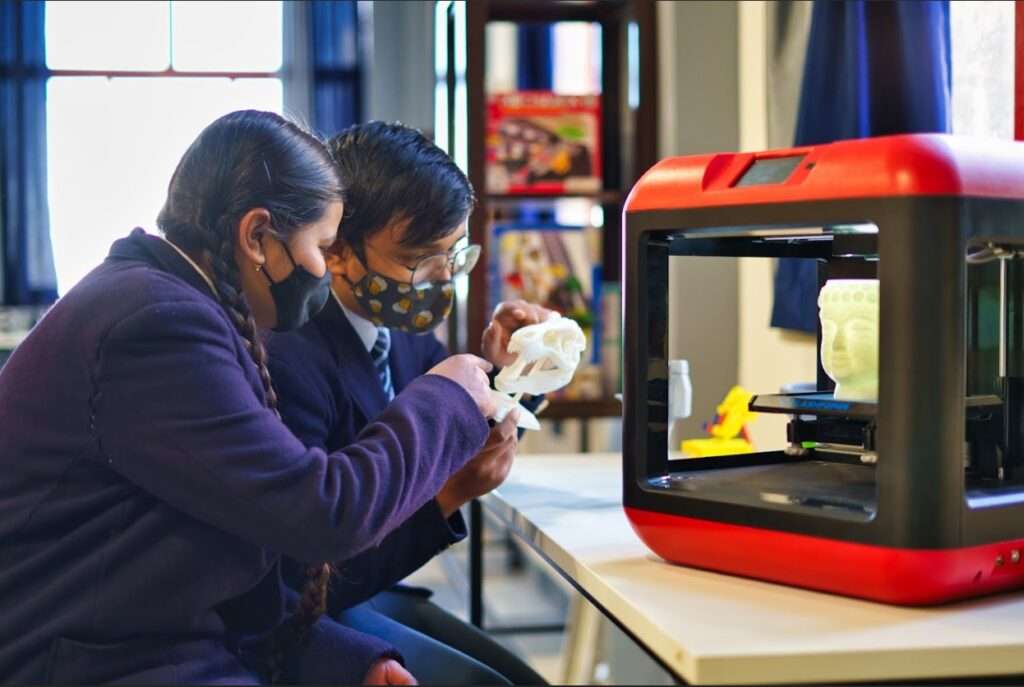
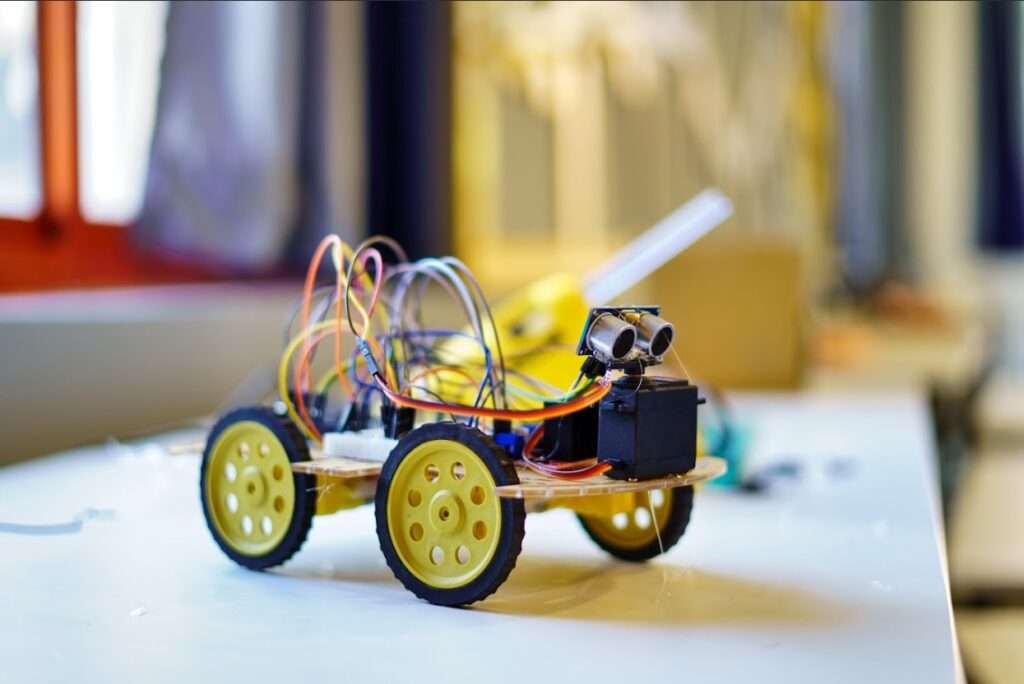
In addition to this, the CBSE has revamped the practical exams to be assessed just once during the year rather than multiple times. This one-time practical assessment alleviates the logistical pressure on students and schools alike, streamlining the evaluation process. The practicals will continue to emphasise hands-on skills, critical thinking, and the application of concepts rather than rote memorisation.
The board has clarified that students are free to appear for either or both board exam cycles, but the marks obtained in the better-performing attempt will be recorded as the final result. Students can also opt to improve their scores in a maximum of three subjects in the second exam cycle. Results for the first exam cycle will be announced in April, while the second cycle results will be declared by June, ensuring a seamless transition for school admissions and further education planning.
While the new system promises numerous benefits such as reduced exam stress, continuous learning, and more flexible performance improvement options, it requires schools and educators to adapt quickly. Schools must restructure their academic calendars and implement modular teaching strategies to effectively cover the syllabus in two distinct halves. Teachers will have additional responsibilities related to preparing for two exam cycles and evaluating students accordingly.
Anticipating these challenges, many progressive schools have already started workshops on time management, mock tests, and counselling sessions to help students cope with the dual-exam schedule. Parental engagement is also encouraged to provide emotional support and study guidance to children navigating this new framework.
This transformative move by CBSE reflects a global trend towards modernising education through flexible assessments that prioritise conceptual clarity and student well-being. It also aligns with the National Education Policy’s vision for holistic learning, critical thinking, and skill development over memorisation. With this two-cycle exam system and streamlined practical assessments, CBSE aims to create a nurturing, less stressful educational environment where every student can perform at their best and take charge of their learning journey.
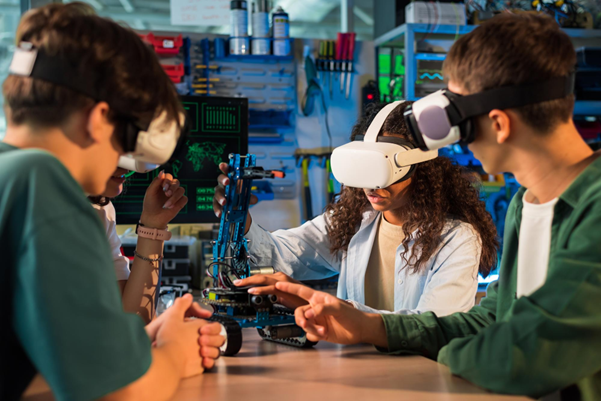
Overall, the two-cycle Class X board exams and one-time practical assessment mark a significant step in India’s STEM education system evolution—balancing rigour with empathy, and paving the way for a generation of confident, capable learners ready for the challenges of tomorrow.