International Day of Women and Girls in Science: Why Equal Access Isn’t Enough
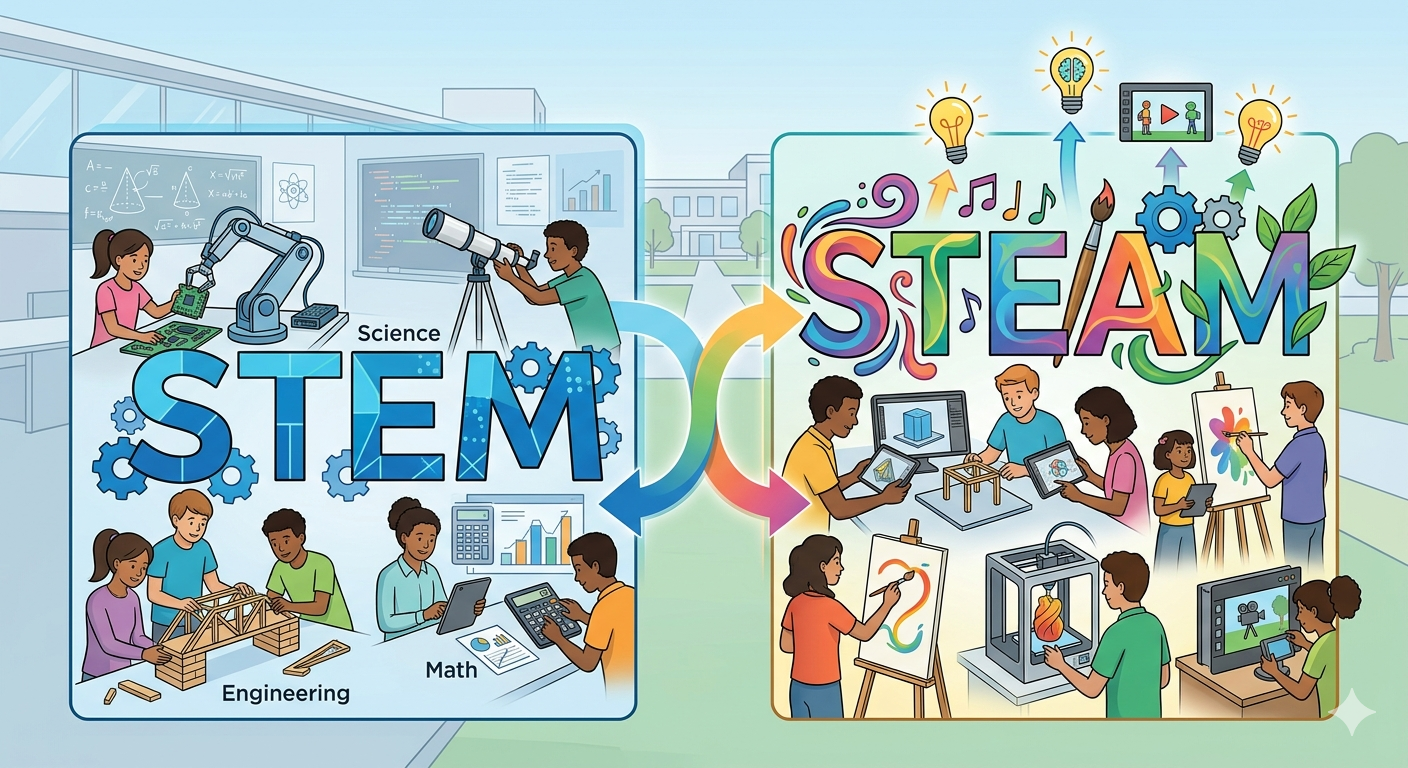
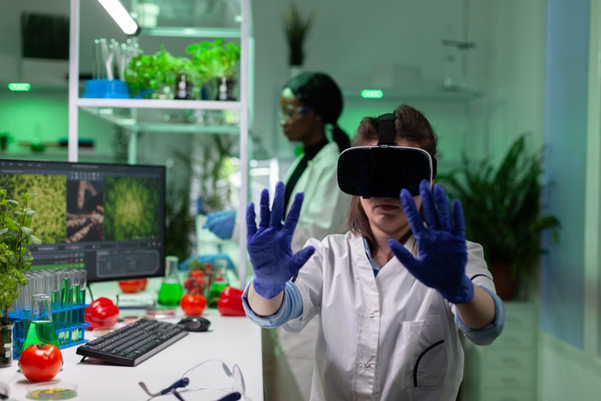
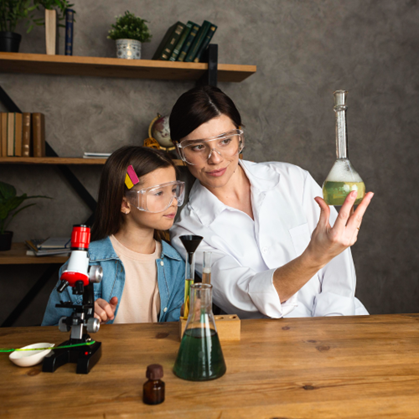
February 11 is observed every year as the International Day of Women and Girls in Science, a United Nations-backed initiative aimed at closing persistent gender gaps in science, technology, engineering and mathematics (STEM). Established by the UN General Assembly in 2015, the day is more than a symbolic marker it highlights ongoing global inequalities and calls for deeper change in how women and girls engage with science.
At its core, the observance celebrates the contributions of women and girls in science while also acknowledging that equal access to education alone does not guarantee true inclusion or leadership. As The Times of India explains, the conversation has evolved: participation numbers have improved in many fields, but the central question now is not just who enters STEM, but who leads and shapes its future.
Indeed, global and national data show that while young women are increasingly enrolling in STEM education, their representation diminishes sharply in advanced scientific careers, leadership roles, research funding, and decision-making bodies. The UNESCO and UN Women campaigns that guide this day stress that women remain underrepresented, face systemic barriers, and encounter stereotyping from the earliest years of schooling through professional life.
The theme for the 2026 observance, “Synergising AI, Social Science, STEM and Finance: Building Inclusive Futures for Women and Girls” captures this broadened focus. It acknowledges the rapidly changing landscape of science and innovation, where fields like artificial intelligence (AI), data science, and tech governance are now central engines of global growth. Ensuring women are equitably represented in these areas is crucial not just for fairness, but for the quality and ethical direction of scientific progress.
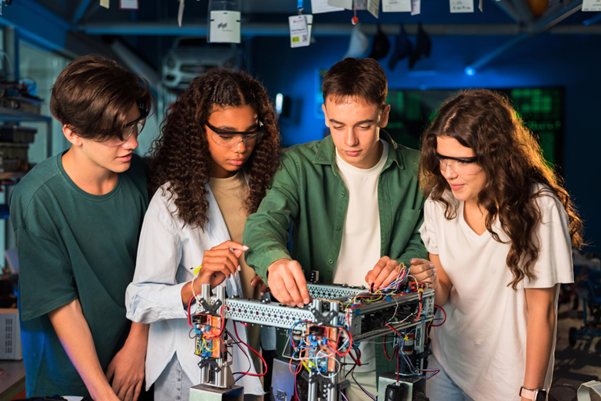
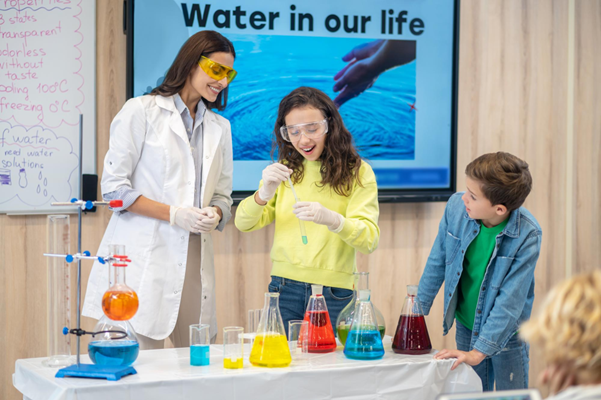
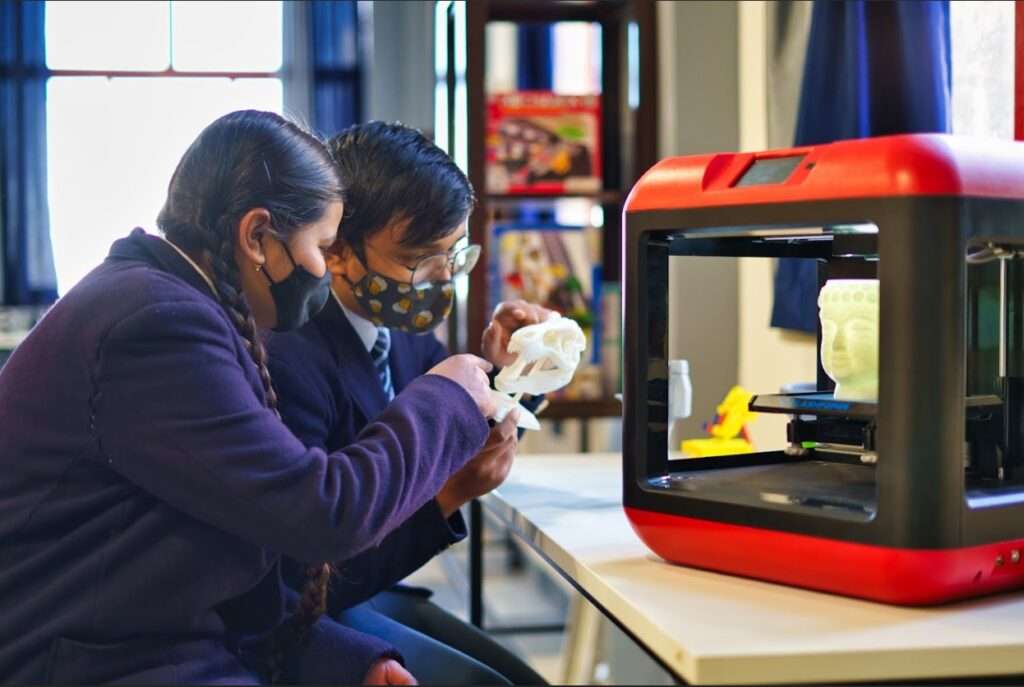
In India and around the world, celebrations on February 11 include educational events, conferences, mentorship initiatives, and public discussions about gender equity in STEM. These efforts aim to not only inspire girls to pursue scientific education but also to dismantle the barriers that cause many women to leave scientific careers or remain clustered in less influential roles.
Encouragingly, some progress is visible. Schools and universities highlight role models from history and present figures whose achievements break stereotypes and broaden ideas about who “belongs” in science. But as advocates point out, inclusion means more than entry; it must also translate into influence, leadership, and opportunity at every stage of the STEM pipeline.
Ultimately, the International Day of Women and Girls in Science is both a celebration and a call to action: a reminder that science thrives when its practitioners reflect the diversity of the world they seek to improve and that removing obstacles to women’s full participation strengthens innovation for everyone.