
INSPIRE-MANAK Sparks Scientific Curiosity Among 10-17 Year Olds Across India
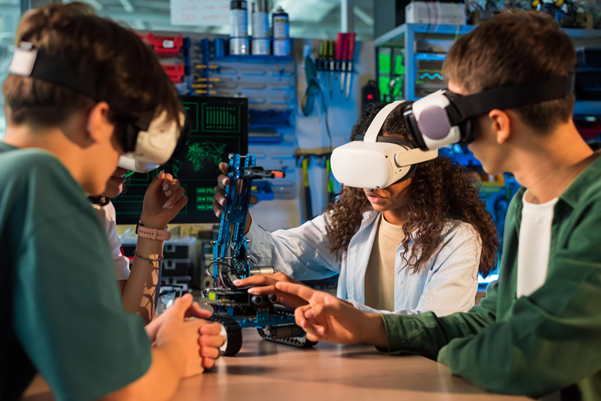
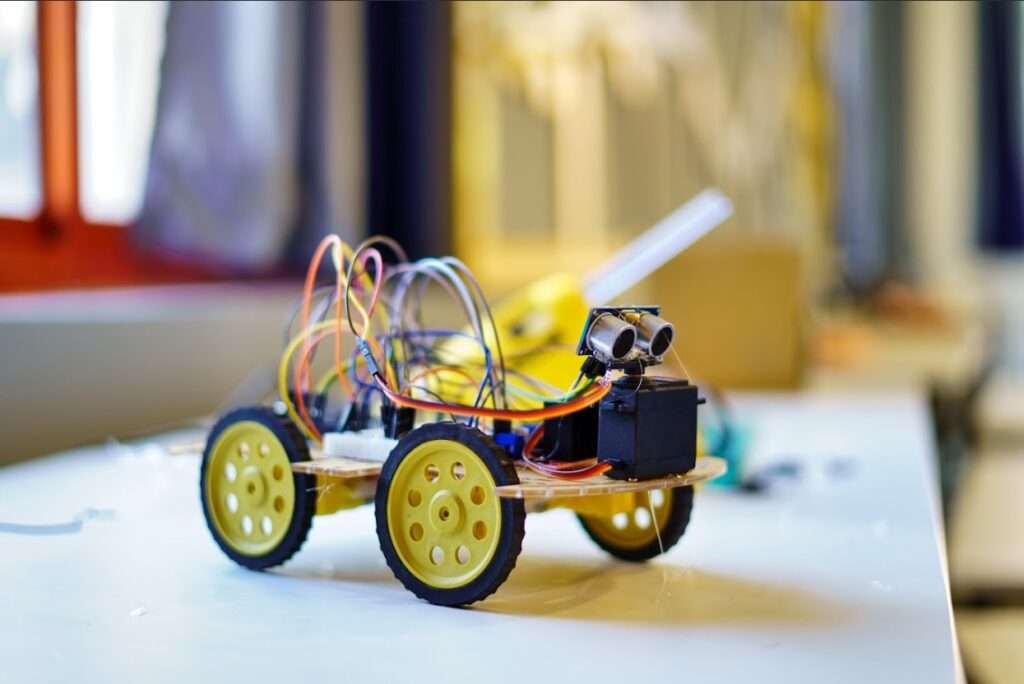
In a vibrant classroom in a small town of Uttar Pradesh, 13-year-old Ananya carefully connects wires to a small solar-powered car she’s built from scratch. Her eyes light up as the car whirs to life, moving across the table. This moment of discovery is not just a win for Ananya—it’s a victory for the INSPIRE-MANAK scheme, a national initiative that is transforming how young Indians engage with science and innovation.
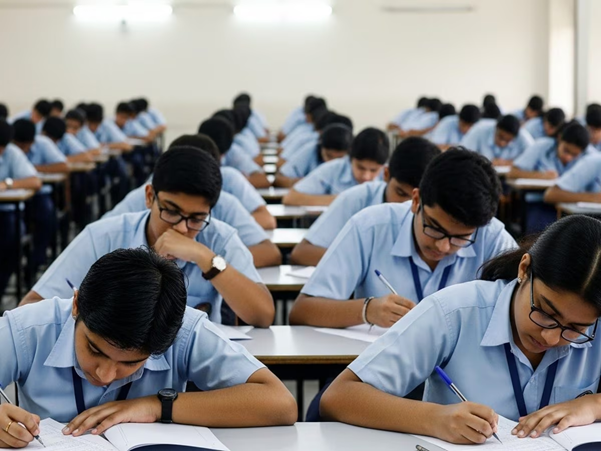
The Department of Science and Technology (DST) recently rolled out the INSPIRE-MANAK program, targeting students aged 10 to 17 in classes VI to XII. The mission? To ignite scientific curiosity, foster creative thinking, and nurture a spirit of innovation among schoolchildren across India. The scheme is not just about textbooks or exams; it’s about hands-on learning, experimentation, and problem-solving. From rural villages to urban schools, thousands of students are now participating in workshops, science fairs, and idea challenges, all designed to help them become the next generation of scientists, engineers, and innovators.
A Movement of Discovery
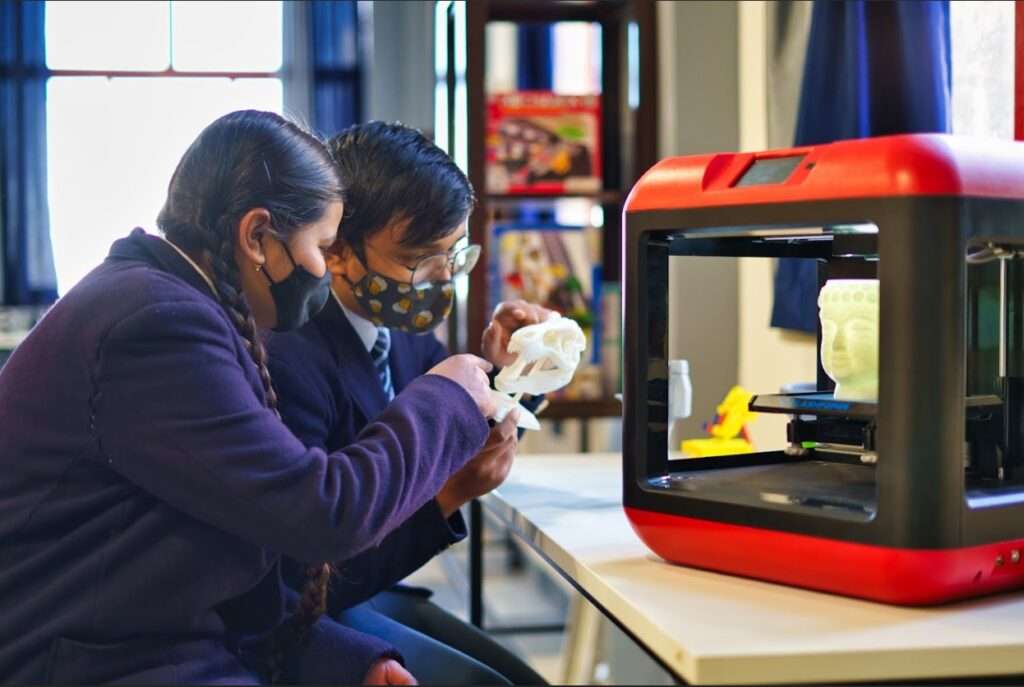
INSPIRE-MANAK is more than just a government program—it’s a movement. The initiative provides funding and mentorship to schools, enabling them to set up science labs, organise innovation camps, and host competitions. Students are encouraged to think outside the box, design prototypes, and present their ideas to panels of experts. For many, this is the first time they’ve had the chance to see their ideas come to life, whether it’s a water purifier for their village or a simple robot that helps with daily chores.
Take Rohan, a Class VIII student from a government school in Rajasthan. Before joining INSPIRE-MANAK, science was just another subject. But after attending a local workshop, he was inspired to create a low-cost device that alerts farmers when their fields need watering. His invention not only won him a prize but also earned praise from his teachers and community. Stories like Rohan’s are becoming increasingly common, as the scheme empowers students to become active problem-solvers in their own environments.
Bridging Gaps, Building Futures
One of the most remarkable aspects of INSPIRE-MANAK is its focus on inclusivity. The program actively reaches out to students from rural and underrepresented backgrounds, ensuring that every child, regardless of their socio-economic status, has the opportunity to explore STEM. Special workshops and mentorship programs are organised for girls, students with disabilities, and those from marginalised communities, helping to bridge the gender and opportunity gaps in science education.
Teachers and mentors play a crucial role in this transformation. They guide students through the process of ideation, experimentation, and presentation, fostering a culture of inquiry and collaboration. Many schools have reported a noticeable increase in student engagement and enthusiasm for science since the launch of INSPIRE-MANAK.
The Impact
The impact of INSPIRE-MANAK is already visible. Thousands of students have participated in innovation camps and science fairs, and hundreds of ideas have been recognised and rewarded. The scheme is not only building scientific skills but also instilling confidence, creativity, and a sense of purpose among young learners. As India looks to strengthen its scientific workforce and address real-world challenges, initiatives like INSPIRE-MANAK are laying the foundation for a brighter, more innovative future.
Looking Ahead
The success of INSPIRE-MANAK has sparked interest from educators and policymakers worldwide. It serves as a model for how hands-on, student-centred learning can transform STEM education. As the program continues to grow, it promises to inspire even more young minds, turning classrooms into hubs of creativity and innovation.
INSPIRE-MANAK is not just a scheme—it’s a spark that is lighting up the future of science education in India, one young innovator at a time.