
India’s Big STEM Push: Govt Plan to Take Digital STEM Learning to Every Secondary School by 2025-26
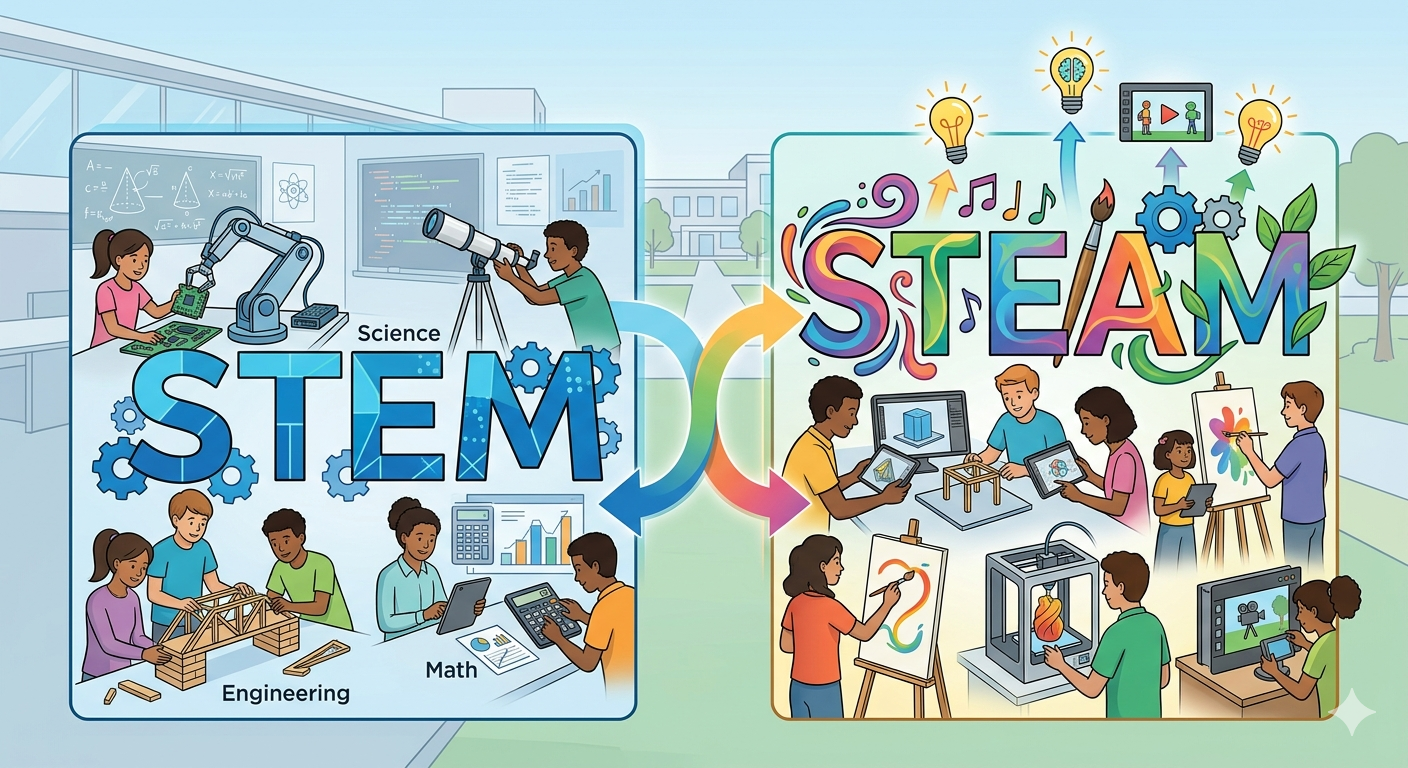
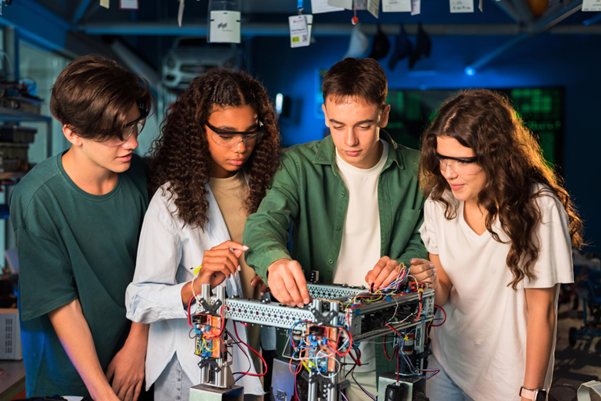
In a major move to transform school education, the Indian government is rolling out a nationwide digital STEM programme that will bring high-quality mathematics and Science learning to every government, government-aided, and self-financed secondary school by the 2025– 26 academic year. This ambitious expansion, under the Samagra Shiksha (Secondary) scheme, aims to transform ordinary classrooms into vibrant STEM labs where students don’t just memorise formulas, but actually engage in science and math.
What the STEM Programme Actually Does
The core of this initiative is a dedicated digital learning platform that offers free, NCERT‑aligned content in Mathematics and Science for secondary students. On this platform, students can access:
- Short, concept‑based videos that explain tough topics in simple language.
- Interactive practice exercises, self‑assessment quizzes, and unit tests to build confidence.
- Revision materials and bridge courses to help students catch up if they’ve missed key concepts.
For teachers, the programme provides ready‑made teaching–learning materials, lesson plans, and assessment tools, reducing their burden and encouraging more innovative, participatory classroom practices. The idea is simple: instead of just writing on the blackboard, teachers can use smart classrooms and ICT labs to show real‑life applications of STEM concepts.
Why This Expansion Matters
Until now, this STEM programme has been running only in government secondary schools, but from 2025–26, it will be extended to all government‑aided and self‑financed secondary schools across the country. This means that even schools in smaller towns and rural areas, which often struggle with qualified teachers and lab infrastructure, will get structured digital support to improve learning outcomes in Math and Science.
Officials say the programme is designed to:
- Build strong conceptual understanding in Mathematics and Science from Class 9 onwards.
- Make digital learning a regular part of school life through smart classrooms and ICT labs.
- Prepare students for higher education and competitive exams by giving them continuous practice and feedback.
How Schools Are Being Prepared
To ensure this programme actually reaches students, the secondary education department has issued clear instructions to district inspectors and joint directors. They have been asked to direct principals and headmasters of all secondary schools to:
- Encourage students to register on the digital learning platform.
- Monitor regular usage of the platform and track student progress.
- Integrate digital STEM resources into daily teaching, especially in smart classrooms and ICT labs.
This top‑to‑bottom push signals that digital STEM is no longer an “extra” activity, but a core part of the school’s academic calendar.
The Bigger Picture: STEM + NEP 2020
This expansion fits perfectly with the vision of the National Education Policy (NEP) 2020, which calls for:
- Experiential, hands‑on learning in Science and Math.
- Integration of technology and digital tools in classrooms.
- A shift from rote memorisation to critical thinking and problem‑solving.
At the same time, CBSE has also declared “STEM Education” as the theme for teacher training in 2025–26, launching online series like 3030 Eklavya STEM Education to help teachers adopt modern pedagogies. Together, these moves show that the government is serious about making STEM not just a subject, but a mindset in Indian schools.
What This Means for Students and Parents
For students, this means:
- More support to understand tough Math and Science topics through videos and practice.
- Better preparation for board exams and competitive tests through regular assessments.
- A chance to develop real STEM skills, not just exam scores.
For parents, it’s a sign that the system is finally investing in quality STEM education for all, not just elite schools. The real test will be how well schools implement this in classrooms, but the roadmap is clear: by 2025–26, every secondary school in India is expected to be a digital STEM school.