From Rote to Research: The New Era of Practical Science Education in India
India’s education system is undergoing a powerful transformation, especially in the field of science learning. For decades, classrooms largely focused on rote memorisation, where students were expected to learn formulas, definitions, and theories without truly understanding their real-world applications. However, this approach is now being replaced by a more dynamic, engaging, and effective model of practical and research-based learning.
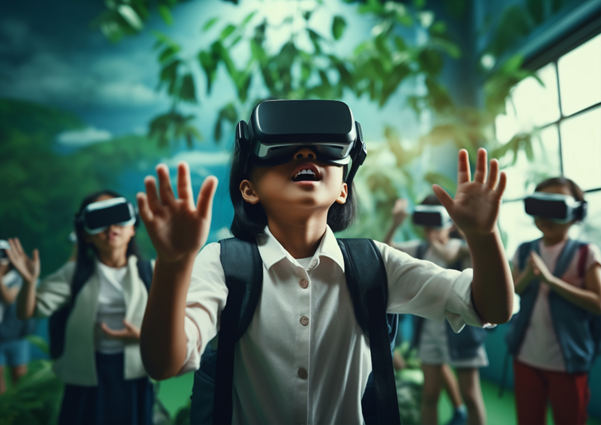
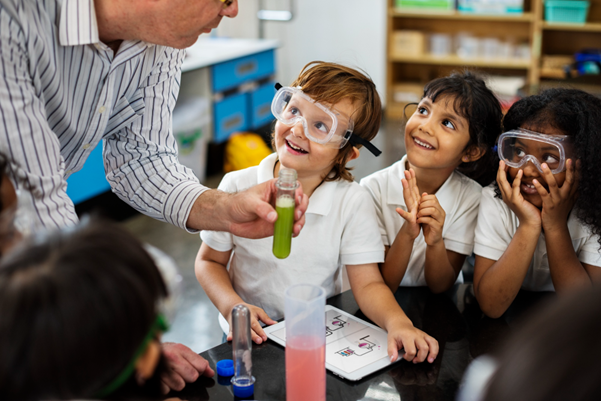
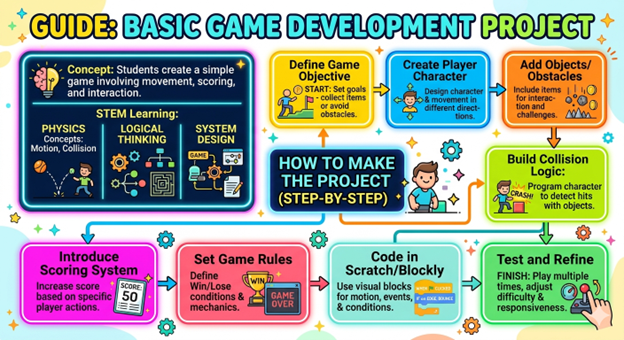
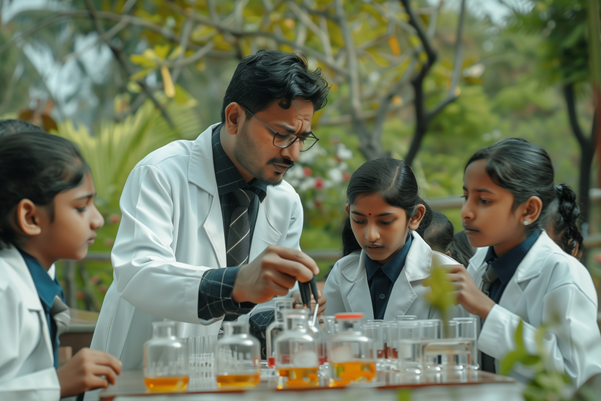
Today, schools and educational institutions across the country are embracing inquiry-driven teaching methods. Instead of simply reading about scientific concepts, students are encouraged to explore them through experiments, hands-on activities, and project-based learning. This shift allows learners to ask questions, test ideas, and discover answers on their own, making the learning process far more meaningful and impactful.
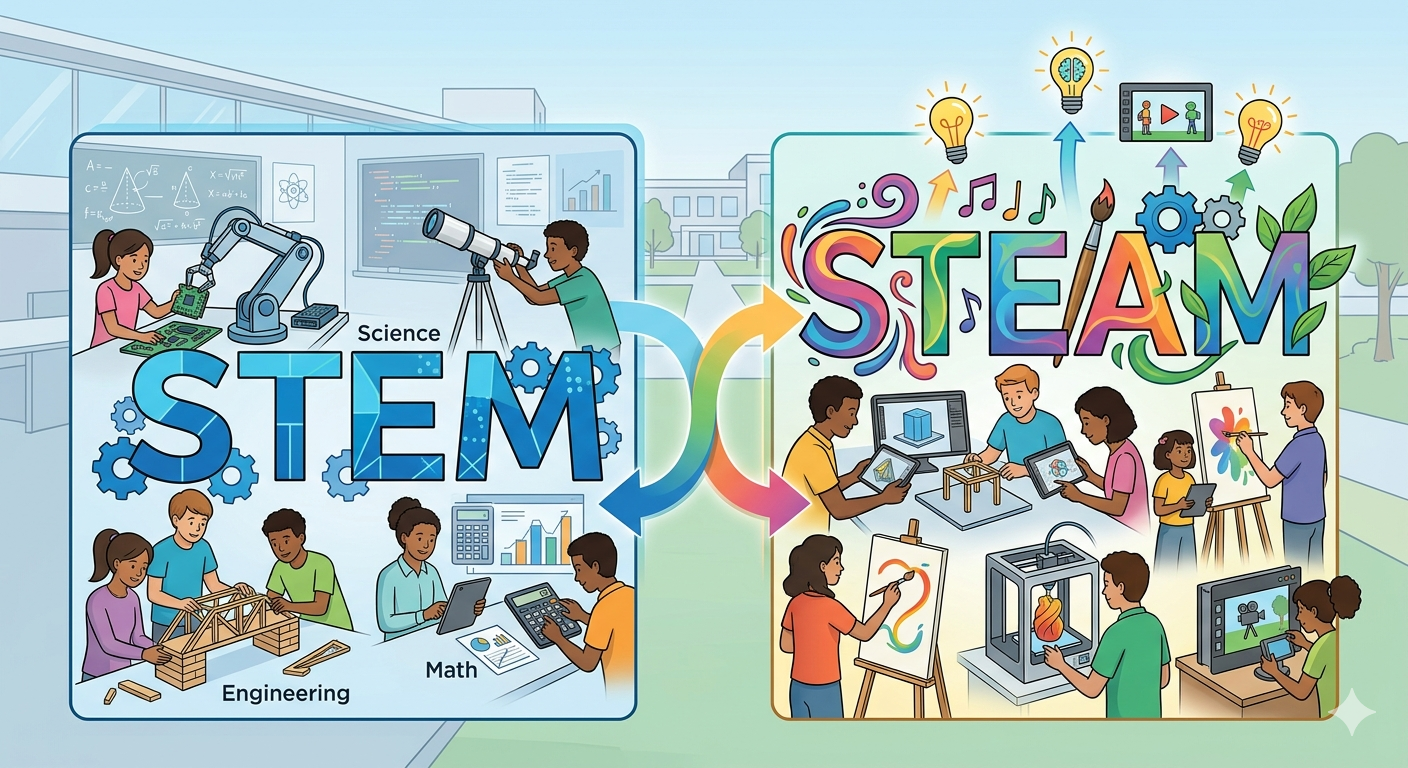
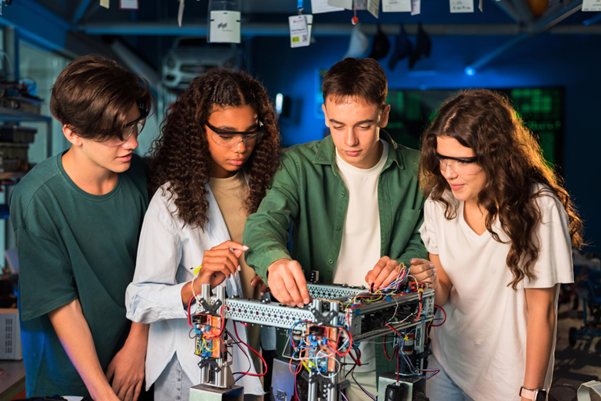
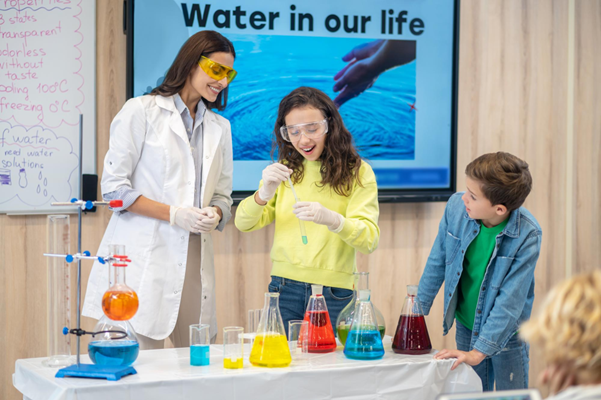
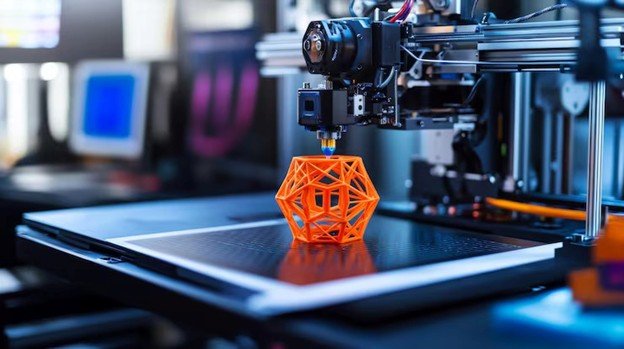
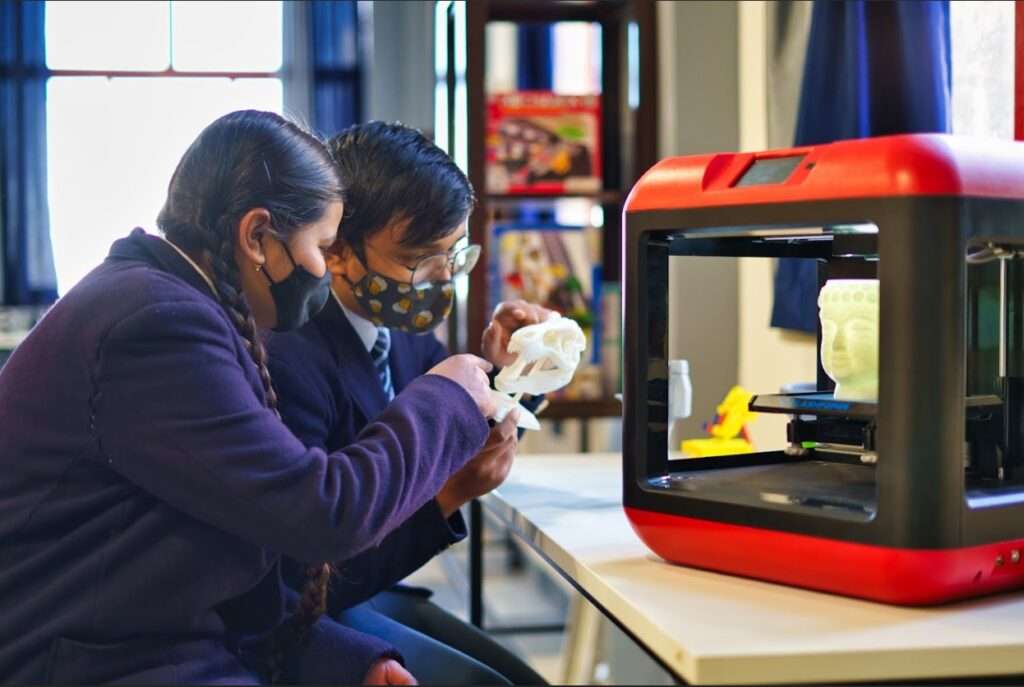
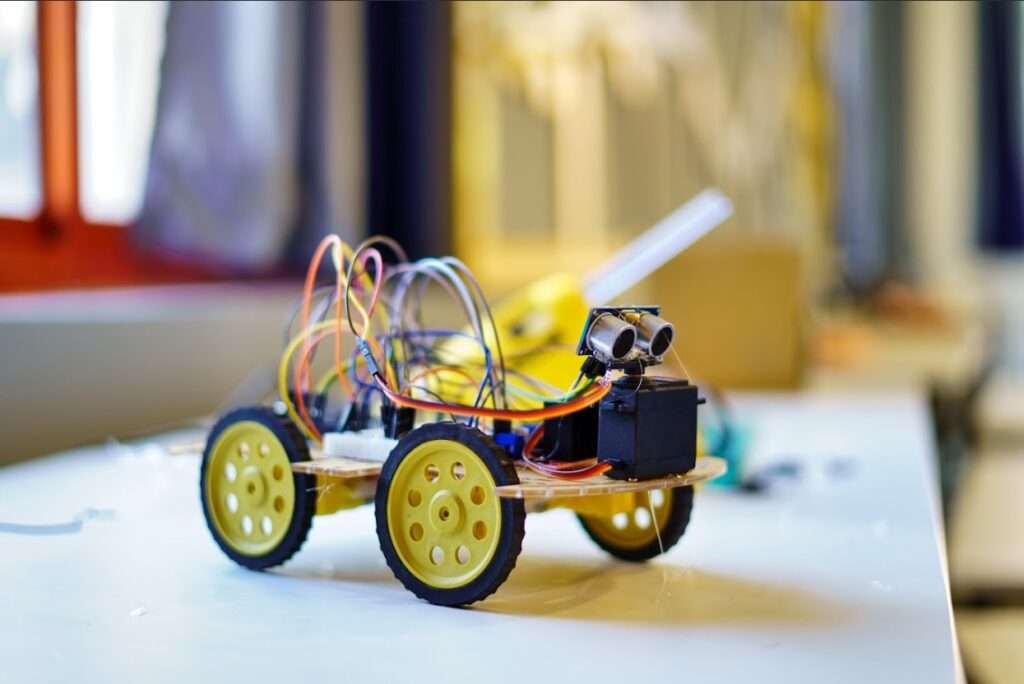
One of the key elements of this transformation is the introduction of STEM labs and innovation spaces within schools. These labs provide students with the tools and environment needed to build models, create prototypes, and work on real-life problems. Whether it’s designing a simple circuit, building a robot, or conducting a chemistry experiment, students are actively involved in the learning process rather than being passive listeners.
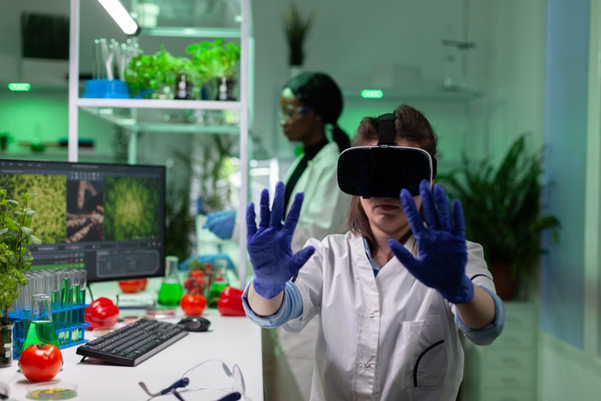
Research-based learning is also gaining importance, where students are guided to investigate topics, analyse data, and present their findings. This not only deepens their understanding of scientific concepts but also helps develop critical thinking, analytical skills, and creativity. Students learn how to approach problems systematically, evaluate outcomes, and improve their problem-solving skills that are essential in today’s rapidly evolving world.
Moreover, this new approach aligns closely with the needs of modern industries. Employers today are looking for individuals who can think independently, innovate, and solve complex problems. By exposing students to practical learning early on, the education system is preparing them to meet these expectations confidently. It bridges the gap between theoretical knowledge and real-world application, making students more industry-ready.
Another significant advantage of this shift is increased student engagement. When learners actively participate in experiments and projects, they develop a genuine interest in science. Learning becomes exciting rather than stressful, which leads to better retention of knowledge and improved academic performance.
In conclusion, the move from rote learning to practical and research-based education marks a significant milestone in India’s academic journey. It is not just about changing teaching methods, but about nurturing a generation of curious, capable, and innovative thinkers who are ready to shape the future.