CBSE Now Mandates 1 Counsellor per 500 Students! How Schools Must Prepare
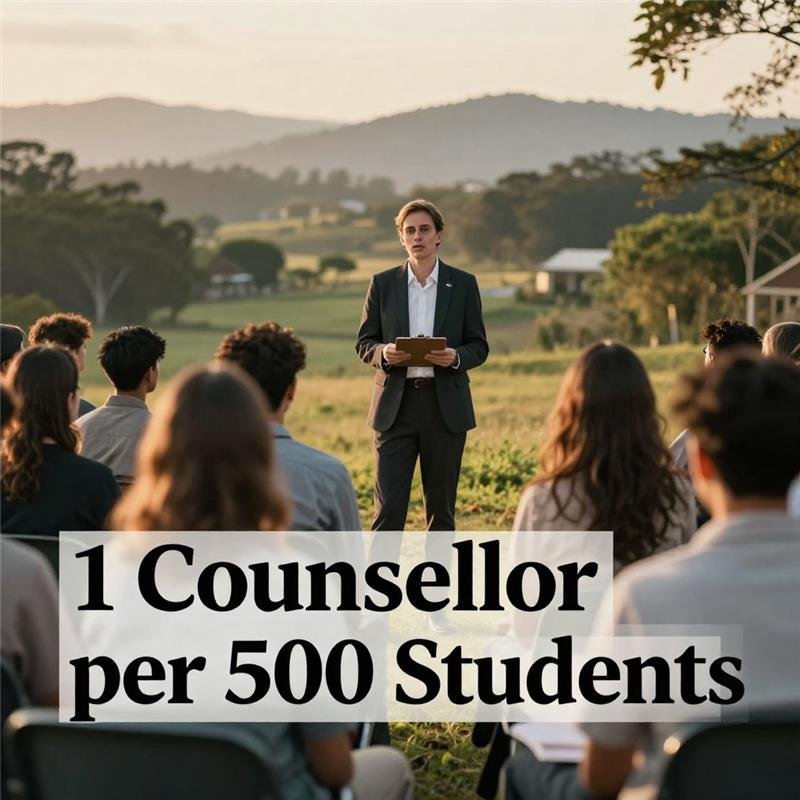
In a big move toward holistic education, the Central Board of Secondary Education (CBSE) has made it mandatory for all its affiliated schools to appoint one counselling & wellness teacher (socio‑emotional counsellor) and one career counsellor for every 500 students in Classes 9 to 12. This change, part of updated affiliation norms, signals a clear shift: CBSE is no longer just about marks and board exams—it’s about a student’s mental health, emotional strength, and career clarity.
What Exactly Has Changed?
Earlier, counselling was encouraged, but not strictly enforced. Now, CBSE has made it a non‑negotiable part of affiliation through an amended clause in its affiliation bylaws.
The key rules:
- Every CBSE school must appoint one Counseling & Wellness Teacher (socio‑emotional counsellor) for every 500 students in Classes 9–12.
- The same school must also appoint one Career Counsellor for every 500 students in Classes 9–12.
- For example, a school with 1,500 Class 9–12 students will now need at least 3 counselling & wellness teachers and 3 career counsellors.
Schools with fewer than 300 students can still have a counsellor on a part‑time basis, but they must ensure that students have regular access to professional counselling.
Who Can Be a CBSE Counsellor?
CBSE has clearly defined the qualifications, so schools can’t just appoint any teacher:
For Counseling & Wellness Teacher (Socio‑Emotional Counsellor):
- Master’s or Bachelor’s in Psychology (any specialisation).
- OR Master’s in Social Work (Mental Health or Counselling stream).
- OR any UG/PG degree + a diploma in school counselling or child guidance.
For Career Counsellor:
- Bachelor’s or Master’s in Humanities, Science, Social Sciences, Management, Education, or Technology.
- The counsellor must have skills in career assessment, knowledge of higher education pathways (India + abroad), and experience in student/parent counselling.
Training & Standardisation
CBSE isn’t just asking schools to hire counsellors; it wants them to be well‑trained and uniform across the country.
- Every appointed counsellor must complete 50 hours of CBSE’s capacity building programme (CBP3) on psycho‑social counselling.
- These sessions will cover socio‑emotional learning (SEL), crisis intervention, identifying mental health concerns, confidentiality, and how to guide parents and teachers.
- Schools are encouraged to adopt the CBSE “counselling hub and spoke” model, where a central hub serves multiple schools, especially in rural or private clusters.
How Schools Must Prepare (Step by Step)
For school heads, principals, and counsellors, here’s what to do now:
- Audit Current Strength
- Calculate total students in Classes 9–12 and divide by 500 to know how many counselling & wellness teachers and career counsellors are required.
- For example, 1,200 students = 3 counselling & wellness teachers and 3 career counsellors.
- Recruit Qualified Counselors
- Advertise positions with clear CBSE criteria: Psychology, Social Work, or relevant degree + counselling diploma.
- For career counsellors, look for teachers with a deep understanding of entrance exams, universities, and global study options.
- Plan for Training
- Ensure all new and existing counsellors register for CBSE’s 50‑hour capacity building programme (CBP3).
- Create a 2‑year rolling plan so that even if the programme isn’t available immediately, every counsellor completes it within the next two academic years.
- Integrate Counselling into Timetable
- Schedule regular counselling sessions, mental health days, and career guidance periods in the timetable.
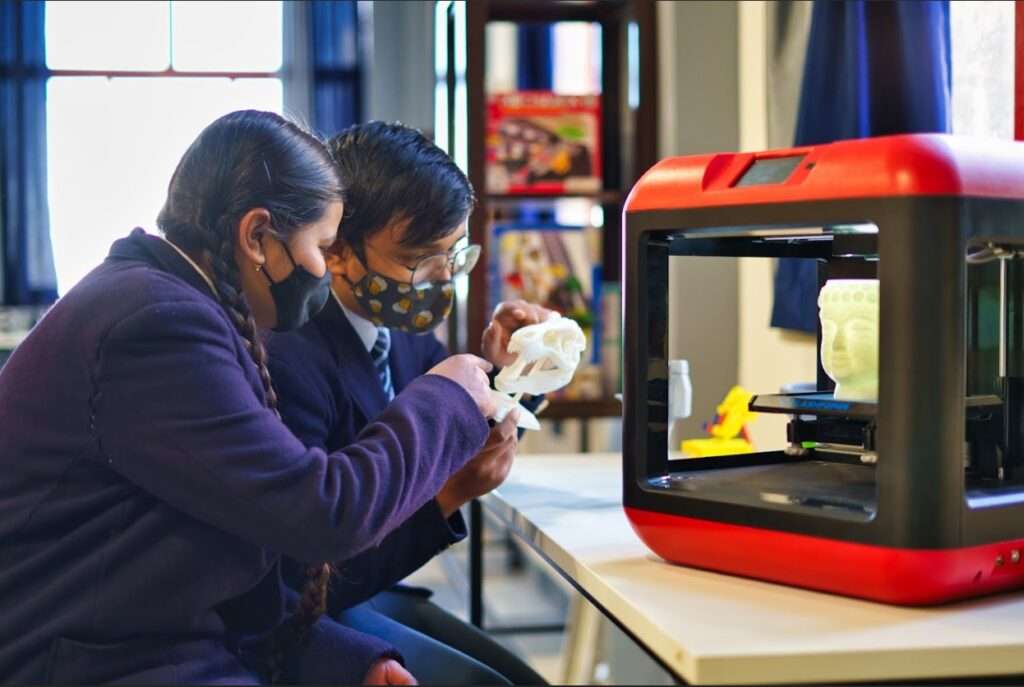
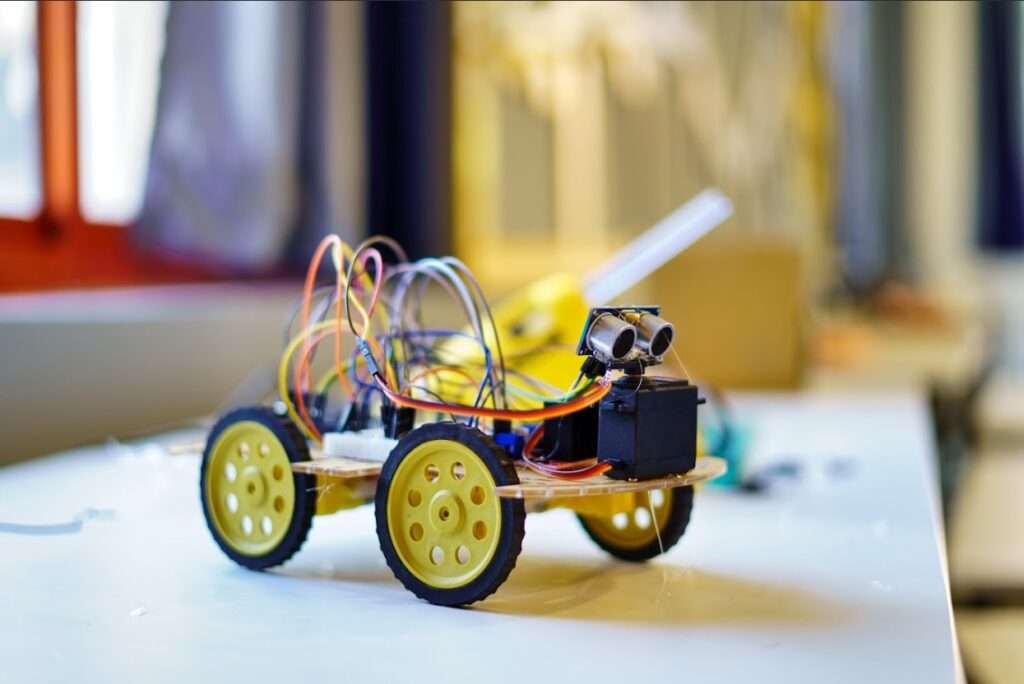
- Link counselling with existing initiatives like ATAL Tinkering Labs, entrepreneurship cells, and college/industry interaction days.
- Go Beyond Exam Stress
- Use the counselling team not just for board exam support, but also for bullying, peer pressure, identity issues, and future planning.
- Run regular awareness programmes on stress, anxiety, digital wellness, and emotional intelligence for students and parents.
What This Means for Students
CBSE’s new rule is more than a paperwork change—it’s a promise that students will not be left alone with exam stress, confusion about careers, or emotional struggles. Every student in Classes 9–12 will now have access to a trained professional who can help them:
- Handle anxiety and exam pressure.
- Choose the right stream after Class 10 (Science, Commerce, Arts).
- Explore careers in STEM, robotics, AI, design, and other fields linked to ATL and innovation labs.
Final Word
CBSE is clearly saying: “A student’s well‑being is as important as their percentage.” Schools that proactively hire, train, and empower counsellors will not only stay compliant but also build a more supportive, future‑ready environment where students can thrive academically, emotionally, and professionally.