
CBSE 3030 Eklavya STEM Series Empowers Teachers Nationwide
CBSE’s 3030 Eklavya STEM Series is quietly rewriting how teachers experience science and maths training in India. In staff rooms, WhatsApp groups, and school corridors, one phrase keeps popping up: “Did you attend yesterday’s 3030 session?” The series is emerging not just as another webinar line-up, but as a movement to make STEM Education teaching more hands-on, joyful, and future-ready for millions of students.
A Sunday Habit That’s Changing Classrooms
Every Sunday at 4 PM, thousands of teachers log in from metros, small towns, and rural schools, turning their living rooms into mini training studios. The 3030 Eklavya STEM Series, launched by CBSE in collaboration with IIT Gandhinagar, is designed as a set of structured, interactive sessions that schools can easily plug into their academic routine. Each session focuses on simple, low-cost STEM activities that teachers can replicate in their own classrooms, using everyday materials and real-life examples.
The aim is clear: move beyond rote learning and help teachers build curiosity-driven lessons that students remember long after the exam is over. Instead of just explaining formulas, teachers are encouraged to demonstrate concepts through experiments, inquiry, and storytelling, making science and maths feel alive and relevant.
From Passive Webinars to Hands-On Learning
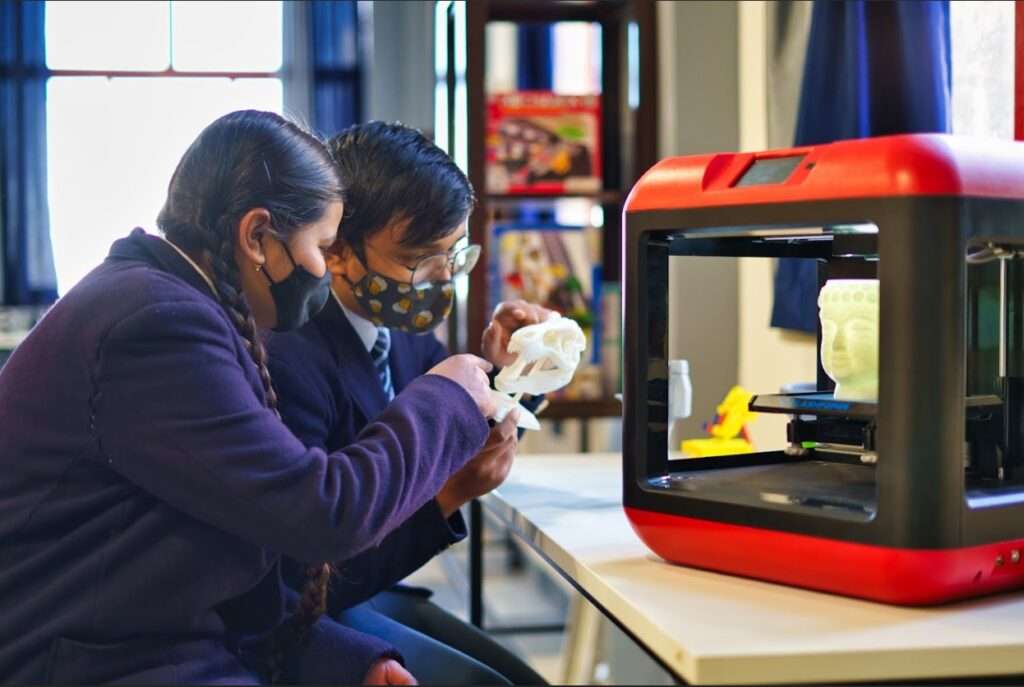
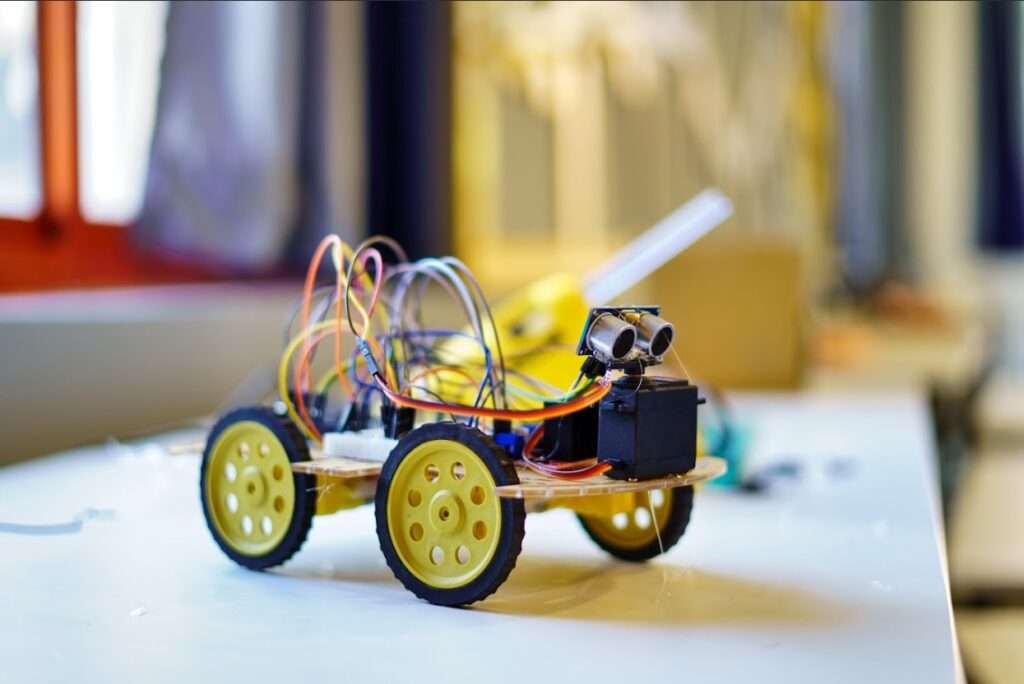
What makes this series stand out is its strong emphasis on “learning by doing.” Rather than long lectures filled with theory, the trainers walk teachers through practical demonstrations and classroom-ready activities. A typical session might show how to explain buoyancy with a bottle and water, or how to explore basic electronics with simple circuits that students can build themselves.
In many schools, teachers are already adapting these ideas into their lesson plans. Some are using the activities as energisers at the start of class, while others are turning them into mini-projects or weekend challenges for students. This shift towards activity-based learning aligns closely with the vision of the National Education Policy, which stresses conceptual understanding, critical thinking, and real-world application.
Recognised Training with Real Value
One of the biggest attractions of the 3030 Eklavya STEM Series is that it is not just inspirational—it also counts as formal professional development. The programme is structured as a 10-part series, with teachers earning 30 hours of Continuous Professional Development (CPD) upon completion. This makes it both enriching and officially valuable for career growth.
Teachers receive guidelines on how to implement activities, how to track student learning, and how to adapt the ideas for different grades. Many schools are now encouraging entire departments—science, maths, and even ICT—to attend together, discuss key takeaways, and design collaborative STEM projects for their students.
Bridging the Urban-Rural Gap in STEM
For a long time, STEM training opportunities were skewed towards urban schools and premium institutions. The 3030 Eklavya series helps level the playing field by being accessible online and free to attend. A teacher in a remote town now learns from the same experts and content as a teacher in a top city school.
This has a direct impact on students too. When teachers in smaller schools bring in fresh experiments, tech-infused lessons, and creative problem-solving tasks, students feel more confident and connected to STEM careers. The series, therefore, becomes a subtle but powerful tool for equity—raising the quality of STEM exposure across the country, not just in select pockets.
Boosting Teacher Confidence in STEM and Innovation
STEM can be intimidating for many educators, especially those who may not have had hands-on exposure during their own training. The 3030 Eklavya STEM Series breaks down that fear by showing that meaningful STEM learning does not always need expensive labs or advanced gadgets. Simple, well-designed activities can build strong foundations in physics, chemistry, mathematics, coding concepts, and engineering thinking.
As teachers try out the activities themselves and see students respond with excitement, their own confidence grows. They begin to ask better questions, explore new resources, and even design their own projects inspired by the series. This ripple effect is exactly what India needs to nurture the next generation of innovators, problem-solvers, and critical thinkers.
A Quiet Revolution in STEM Teaching
CBSE’s 3030 Eklavya STEM Series is more than a training programme—it is a quiet revolution in how India thinks about classroom teaching. By turning Sundays into learning days for teachers, it is helping schools move away from chalk-and-talk and towards experiment-and-explore. The combination of expert guidance, hands-on activities, online accessibility, and recognised CPD hours makes it a powerful, scalable model for STEM teacher development.
For schools, it is an opportunity to align with modern, NEP-driven expectations. For teachers, it is a chance to rediscover the joy of learning. And for students across India, it is a doorway to a more engaging, inspiring, and future-ready STEM education.