
CBSE 2025: Board Exams Shift to Competency-Based Questions for Real-World Skills
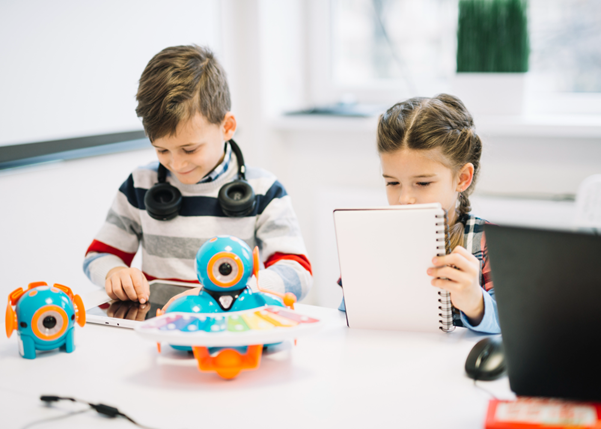
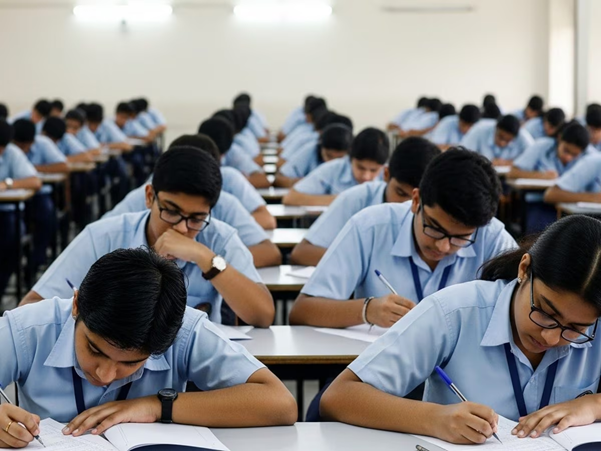
Imagine a classroom where students are not just memorising formulas but actually using them to solve real-world problems—calculating the best route for a delivery robot, designing a sustainable model city, or analysing data to predict weather patterns. This is no longer a distant dream. The Central Board of Secondary Education (CBSE) has officially announced a revolutionary shift in the 2025 board exams, moving from rote learning to competency-based questions that test students’ ability to apply knowledge in practical, real-life situations.
The Old Way: Rote Learning and Exam Stress
For decades, Indian students have faced the pressure of board exams that rewarded memorisation over understanding. The focus was on reproducing textbook answers, often without grasping the underlying concepts. While this system produced high scorers, it left many students unprepared for the challenges of the modern world, where problem-solving, creativity, and adaptability are key skills.
Parents, teachers, and education experts have long called for change, arguing that students need more than just marks—they need the ability to think critically, work collaboratively, and innovate. The pandemic further exposed these gaps, with many students struggling to adapt to new learning environments and apply their knowledge beyond the classroom.
The New Way: Competency-Based Learning
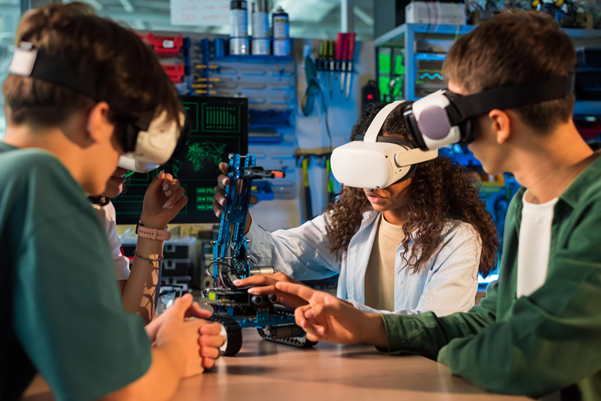
Starting in 2025, CBSE board exams will feature a significant portion of competency-based questions. These questions will require students to demonstrate their understanding by solving problems inspired by everyday scenarios. For example, a math question might ask students to design a budget for a school event. In contrast, a science question could challenge them to propose a solution for reducing plastic waste in their community.
This shift is part of a broader effort to make education more relevant and future-ready. Internal assessments will now carry 40% weight, including projects, assignments, and periodic tests that encourage continuous learning and hands-on experience. Attendance requirements have also been updated, with students needing to maintain at least 75% attendance to be eligible for exams. These changes reflect CBSE’s commitment to nurturing well-rounded individuals who are not just academically strong but also equipped with practical skills.
Real-World Impact: Stories from the Classroom
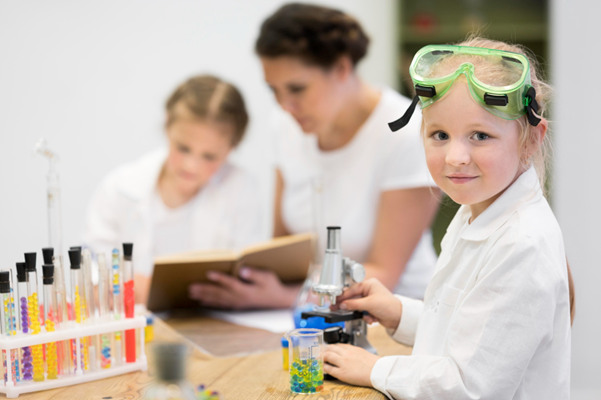
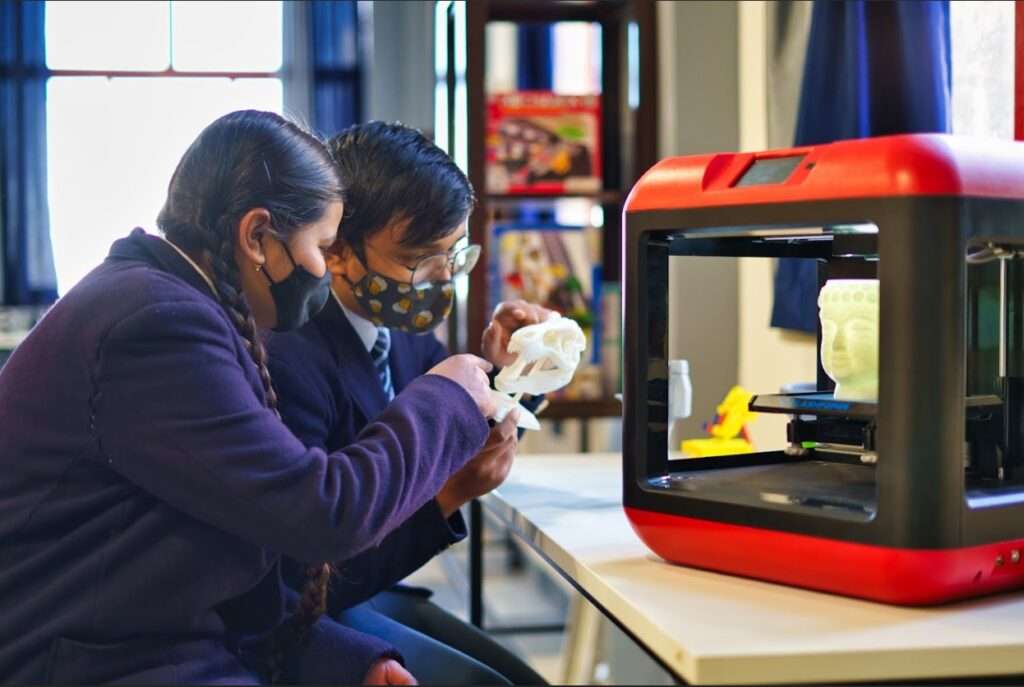
Consider the story of Priya, a Class 10 student from a small town in Haryana. In previous years, her science exam preparation involved endless revision of definitions and diagrams. This year, her teacher introduced competency-based learning, encouraging students to work on projects that addressed local issues. Priya and her classmates designed a low-cost water purifier for their village, using concepts from chemistry and physics. Not only did they learn the science behind water purification, but they also gained confidence in their ability to make a difference.
Stories like Priya’s are becoming increasingly common as schools embrace the new approach. Teachers report higher engagement, with students actively participating in discussions and collaborative projects. Parents appreciate the focus on practical skills, knowing their children are better prepared for the challenges of higher education and the workforce.
Why This Change Matters
The shift to competency-based questions is not just about changing exam patterns; it is about transforming the way students learn and think. By emphasising application over memorisation, CBSE is preparing students for a world where adaptability and problem-solving are essential. This change also aligns with global education trends, where competency-based learning is recognised as a key driver of innovation and success.
Read More about STEM Education
A Brighter Future for Indian Students
The CBSE’s move to competency-based questions marks a significant milestone in Indian education. By focusing on real-world skills and practical applications, the board empowers students to become critical thinkers, innovators, and problem solvers. As classrooms across the country embrace this new approach, the future looks brighter for Indian students, ready to face the challenges of the 21st century with confidence and creativity.