
How Atal Innovation Mission and Atal Tinkering Labs Are Transforming STEM Education in India
India’s education system is rapidly evolving with a stronger emphasis on creativity, innovation, and practical learning. One of the biggest contributors to this transformation is the Atal Innovation Mission and its nationwide network of Atal Tinkering Labs. These initiatives are helping schools move beyond traditional teaching methods by encouraging students to experiment, innovate, and solve real-world problems through science and technology.

During an education-focused discussion, Deepak Bagla highlighted how Atal Tinkering Labs are playing a major role in preparing students for future industries and innovation-driven careers. The initiative is designed to introduce young learners to robotics, coding, artificial intelligence, design thinking, and scientific experimentation at an early stage.
STEM Education in India Is Evolving Through Innovation Labs
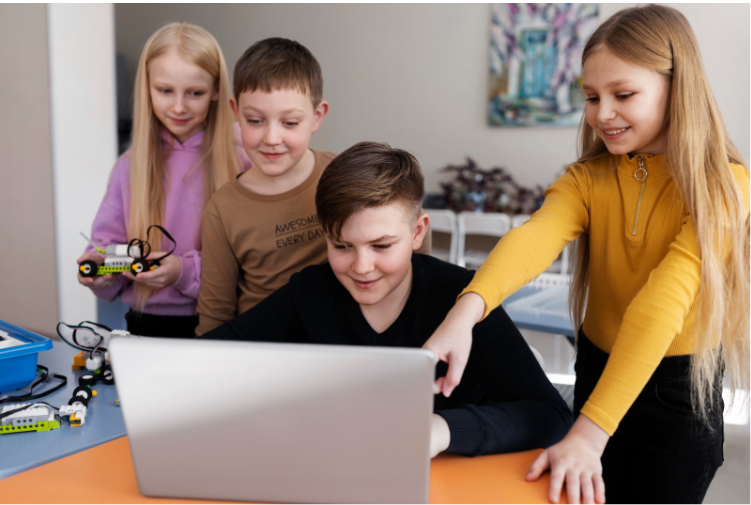
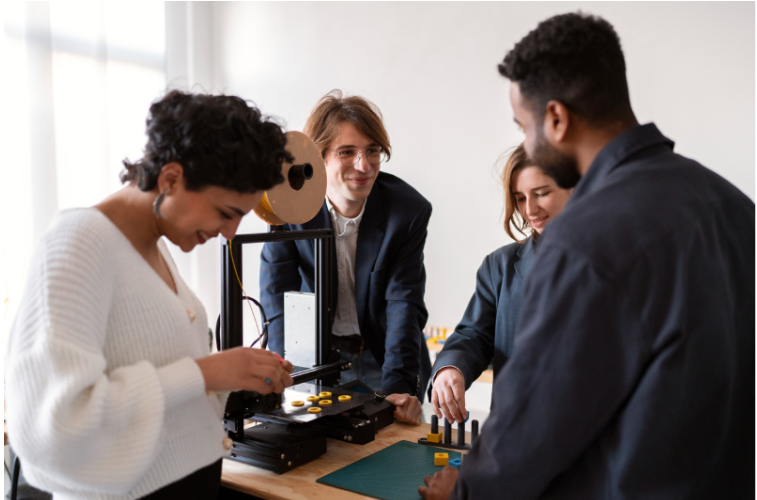
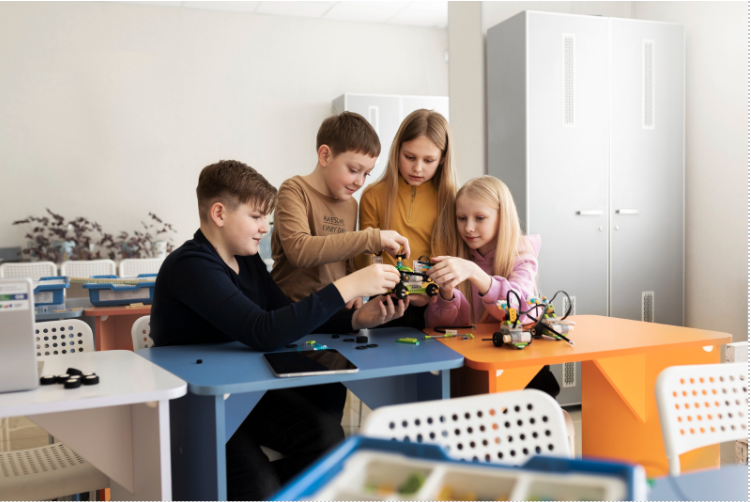
The growing impact of Atal Tinkering Labs reflects the changing direction of STEM Education in India. Schools participating in the program are being equipped with modern tools such as 3D printers, robotics kits, IoT devices, sensors, and electronics equipment that allow students to explore practical applications of science and engineering.
Instead of relying only on textbook learning, students are encouraged to create prototypes, conduct experiments, and develop innovative solutions for everyday challenges. This hands-on learning approach helps improve creativity, logical thinking, teamwork, and problem-solving skills among students.
The Atal Innovation Mission, launched under NITI Aayog, aims to build a culture of innovation and entrepreneurship across schools and educational institutions. Thousands of schools across urban and rural India have already established tinkering labs where students can work on real-world projects and scientific models.
Experts believe that early exposure to technology and experimentation is essential for preparing students for rapidly changing industries. Through interactive learning environments, students gain confidence and practical experience that traditional classroom education often lacks.
STEM Education Encourages Future-Ready Skills
The expansion of STEM Education initiatives across India is helping students become more future-ready. With industries increasingly adopting artificial intelligence, automation, robotics, and digital technologies, schools are focusing more on skill-based education that supports innovation and adaptability.
Atal Tinkering Labs provide students with opportunities to collaborate on creative projects while understanding the practical importance of scientific concepts. Students are encouraged to identify local problems and develop innovative solutions using technology and research-based thinking.
According to education experts, this model of learning improves student engagement significantly. When students interact directly with scientific tools and technology, they develop a deeper understanding of concepts and gain greater interest in pursuing science and engineering careers.
The initiative is also creating awareness about entrepreneurship and innovation at a young age. Students participating in tinkering activities are learning how ideas can be transformed into workable products and scalable solutions. This exposure is helping create a stronger innovation ecosystem within schools.
Atal Innovation Mission Strengthens India’s Education Ecosystem
The success of the Atal Innovation Mission demonstrates how government-led initiatives can support educational transformation. By introducing innovation labs into schools, the program is bridging the gap between theoretical knowledge and practical learning experiences.
One of the key strengths of the initiative is its inclusive reach. Schools from smaller towns and rural areas are also benefiting from advanced STEM infrastructure and training opportunities. This broader access helps reduce educational disparities and encourages talent development across different regions of the country.
Teachers are also receiving specialized training to guide students in project-based learning and innovation activities. This is helping educators adopt modern teaching methods that align with global education trends and technological advancements.
The initiative has inspired many students to participate in national innovation competitions, robotics challenges, and scientific exhibitions. Such exposure motivates learners to think creatively and build confidence in their technical abilities.
STEM Education in India Supports National Innovation Goals
As India continues positioning itself as a global technology and innovation hub, STEM Education in India is becoming increasingly important for long-term economic growth. Programs like Atal Tinkering Labs are helping build a generation of students who are better prepared for careers in science, engineering, research, and entrepreneurship.
The initiative also supports the broader vision of creating a knowledge-based economy driven by creativity and technological advancement. By encouraging curiosity and experimentation at the school level, India is nurturing young innovators who can contribute to future scientific discoveries and industrial growth.
Education leaders believe that the integration of innovation labs into schools will continue expanding in the coming years. With rising interest in coding, robotics, artificial intelligence, and research-driven education, Atal Innovation Mission is expected to remain a key pillar in transforming the Indian education system.
Through hands-on learning and innovation-focused activities, Atal Tinkering Labs are not only making science education more engaging but are also shaping the next generation of problem-solvers, researchers, and technology leaders for India’s future.