Artificial Intelligence Becomes Core Infrastructure in Global Mathematics Education
Artificial Intelligence is rapidly transforming mathematics education worldwide, evolving from a supplementary tool into a core component of modern education systems. Schools, universities, and educational organisations are increasingly embedding AI into daily teaching practices, fundamentally reshaping how mathematics is taught, assessed, and understood.
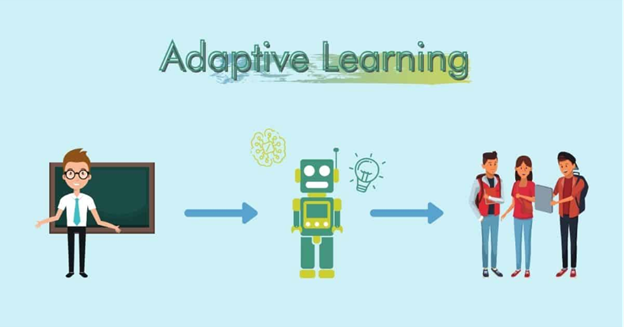
Across global classrooms, AI is now being integrated into lesson delivery, enabling teachers to create more dynamic and interactive learning experiences. Smart platforms powered by AI can adapt content in real time, offering students personalised learning paths based on their strengths, weaknesses, and pace of understanding. This shift allows educators to move away from a “one-size-fits-all” model and instead provide targeted support that improves both engagement and outcomes in mathematics.
One of the most significant developments is the use of AI in assessments. Traditional exams are being supplemented and, in some cases, replaced by intelligent systems that continuously evaluate student performance. These systems analyse patterns in student responses, identify learning gaps, and provide instant feedback. As a result, teachers gain deeper insights into student progress, enabling timely interventions and more effective instruction.
Organisations such as UNESCO have highlighted the growing importance of AI in education, emphasising its potential to enhance equity and access to quality learning worldwide. Similarly, global technology companies like Google and Microsoft are investing heavily in AI-driven education tools, further accelerating adoption across institutions.
Experts believe that AI’s role extends beyond improving individual learning experiences. By analysing large-scale educational data, AI systems can help policymakers and institutions redesign curricula, optimise teaching strategies, and predict future learning trends. In mathematics education, this means identifying which concepts students struggle with most and refining teaching approaches accordingly.
However, this rapid integration also presents challenges. Educators and policymakers are actively discussing concerns around data privacy, algorithmic bias, and over-reliance on technology. Ensuring that AI complements human teaching rather than replacing it remains a key priority.
Despite these challenges, the momentum behind AI in mathematics education continues to grow. Experts widely agree that AI will not only change how students learn mathematics but will also restructure how entire education systems function. As schools continue to adopt these technologies, mathematics education is entering a new era, one defined by personalisation, data-driven insights, and smarter learning environments designed to prepare students for a digital future.