Foundation Awards Nearly $1.2 Million in Grants to Support Education and Youth Development Initiatives

Education and youth development programs have received a significant boost after a leading foundation announced nearly $1.2 million in grants funding to support initiatives focused on student learning, community engagement, leadership development, and workforce readiness. The funding will benefit a range of organizations dedicated to expanding educational opportunities and creating positive outcomes for young people.

$1.2 Million in Grants

In an effort to further support youth development, the foundation will provide grants to help schools and community organisations implement programs that contribute to academic achievement, provide mentorship for students, prepare students for careers, engage students in after-school learning, and develop leadership skills. Through these investments focused on youth development, the foundation seeks to give students the knowledge, confidence, and capability to succeed in an ever-increasingly complex and technology-based world. 

Educational leaders have expressed excitement about the announcement of these grants, as they recognize that philanthropic support is critical to building strong learning environments and increasing access to opportunities that are often out of reach for many students. For example, the additional funds provided through awards often help schools and organisations establish and implement new, creative programs and support underserved populations, which would otherwise be impossible to fund. The nature of the changing demands of education and the workforce over time has changed, thus making strategic investments in youth development an increasing priority for long-term social and economic progress. 

Grant Funding Expands Educational Opportunities 

Foundations and philanthropic entities have a long history of helping advance education. They provide targeted funding for the development of programs within schools, non-profits and communities to enhance student learning and the social growth of students.  

The new grants announced will provide funds for initiatives that improve educational access, support stronger academic results and develop leaders among young people. Many of these programs will help students gain hands-on experience and apply what they have learned in class.  

 Educational professionals agree that today’s learners benefit from opportunities to engage in project-based learning, mentorship experiences, career exploration and community service projects. These types of experiences help students develop the critical skills necessary for future success, such as critical thinking, strong communication skills and the ability to solve problems.  

By providing funding for a wide variety of educational initiatives, the foundation is helping to create environments where students can grow both academically and personally. 

Robotics Program for Schools Gains Importance in Modern Education 

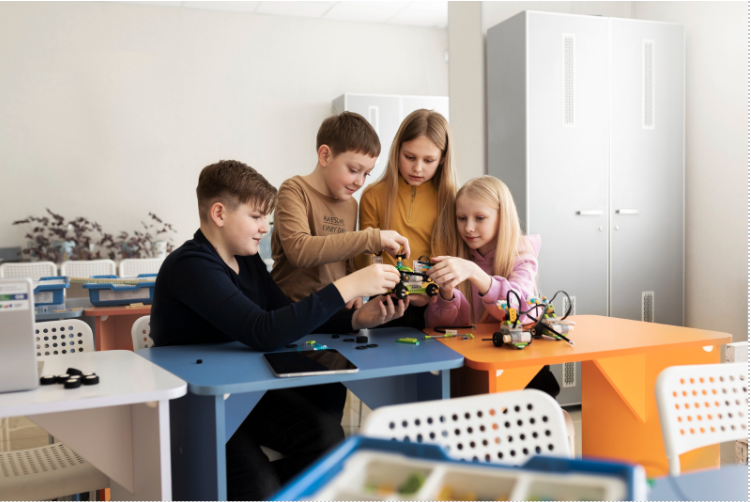
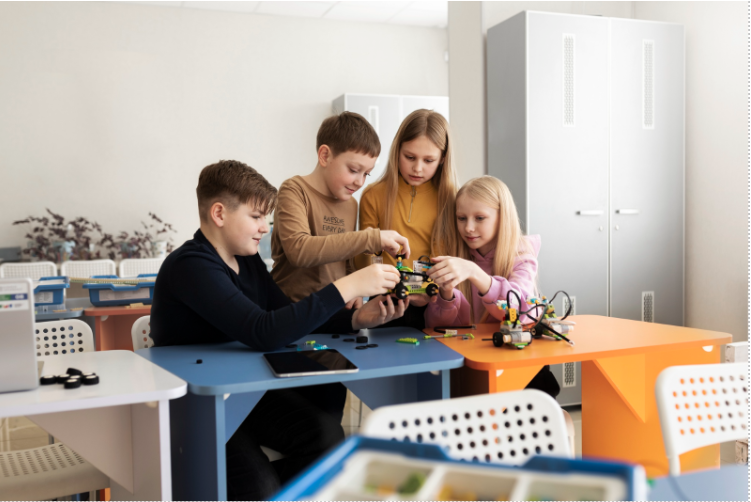
Among the initiatives increasingly supported by educational grants is the development of a robotics program for schools. Robotics education has emerged as one of the most effective ways to introduce students to science, technology, engineering, and mathematics (STEM) concepts through hands-on learning experiences. 

A well-designed robotics program for schools encourages students to design, build, program, and test robotic systems while developing creativity, teamwork, and analytical thinking. These activities make learning more engaging and help students understand how technology can be used to solve real-world problems. 

Educational institutions across the world are recognizing the value of robotics as a tool for preparing students for future careers in engineering, artificial intelligence, automation, and advanced technology sectors. 

Youth Development Programs Foster Leadership and Confidence 

In addition to academic support, many grant-funded initiatives focus on youth development and leadership training. These programs help students build confidence, resilience, communication skills, and a sense of responsibility toward their communities. 

Leadership-focused initiatives often include mentoring opportunities, service-learning projects, career development workshops, and collaborative activities. Such experiences enable students to develop interpersonal skills while exploring their interests and aspirations. 

Experts believe that leadership development is an essential component of holistic education. Students who participate in these programs frequently demonstrate higher levels of engagement, motivation, and self-confidence. 

As communities face new social and economic challenges, empowering young people through leadership and personal development opportunities remains a critical priority. 

Robotics Program for Schools Supports Future Workforce Readiness 

A growing number of educators view a robotics program for schools as an effective pathway for preparing students for future workforce demands. Robotics projects integrate coding, engineering, electronics, mathematics, and design thinking into a single learning experience. 

Students participating in robotics activities gain practical exposure to technologies that are increasingly shaping modern industries. They learn how to collaborate, troubleshoot technical challenges, and think systematically about complex problems. 

These experiences help bridge the gap between theoretical knowledge and real-world application, making students better prepared for higher education and technology-driven careers. 

Innovation and Technology Drive Educational Transformation 

Educational organizations are increasingly investing in innovation-focused learning environments that encourage creativity and experimentation. Grant funding often enables schools and community groups to introduce advanced technologies, expand STEM education, and create opportunities for hands-on exploration. 

Technology-based programs provide students with opportunities to engage in coding, robotics, digital design, engineering projects, and scientific research. Such initiatives help learners develop skills that are increasingly valuable in a rapidly changing global economy. 

Educational leaders note that future careers will require not only technical knowledge but also adaptability, collaboration, and continuous learning. Innovation-focused programs help students cultivate these competencies while fostering a lifelong interest in learning. 

The foundation’s investment demonstrates the growing recognition that educational success depends on providing students with access to modern learning opportunities and emerging technologies. 

Robotics Program for Schools Encourages Innovation and Problem-Solving 

One of the key benefits of a robotics program for schools is its ability to promote innovation through experiential learning. Students are challenged to design solutions, test prototypes, analyze results, and improve performance through iterative processes. 

This approach mirrors real-world engineering and technology practices, helping learners understand how innovation occurs. Robotics projects encourage curiosity and experimentation while teaching valuable lessons about persistence and creative problem-solving. 

Schools implementing robotics programs often report increased student engagement, stronger STEM interest, and improved confidence in tackling complex challenges

Investing in the Future 

The foundation’s decision to award nearly $1.2 million in grants highlights the importance of supporting educational and youth development initiatives that prepare students for future success. By investing in academic enrichment, leadership development, STEM education, and community engagement, the grants will help create meaningful opportunities for young people. 

As educational systems continue evolving, partnerships between foundations, schools, and community organizations will remain essential for expanding access to innovative learning experiences. Programs focused on technology, leadership, and workforce readiness are particularly important as industries continue transforming through digital innovation. 

The growing popularity of a robotics program for schools demonstrates how hands-on, technology-driven education can inspire the next generation of innovators and problem-solvers. Through strategic investments and collaborative efforts, educational organizations can continue building pathways that empower students to thrive in higher education, future careers, and lifelong learning. 

A well-designed STEM enabled school India ecosystem can serve as the foundation for this transformation. By integrating science, technology, engineering, and mathematics into engaging, hands-on learning experiences, schools can help students develop the competencies needed for future success. 

Ultimately, initiatives like these grants serve as a reminder that investing in young people is one of the most effective ways to build stronger communities, foster innovation, and create a brighter future for all. 

Leave a Reply

Recent Posts

Gallery

Related Posts