Complete Robotics program for schools, AI and Physical Computing Education for K-12
Trusted by 300+ schools and 35,000+ students, Makers' Muse helps schools implement a structured robotics program for schools that combines robotics, coding, AI, 3D design, and hands-on learning. The focus is on practical implementation, teacher enablement, and measurable student outcomes.
Our robotics program for schools does more than introduce kits or one-time workshops. It creates a consistent learning pathway that supports teachers, engages students, and strengthens the school’s academic positioning.
Schools Need a Structured Robotics Program
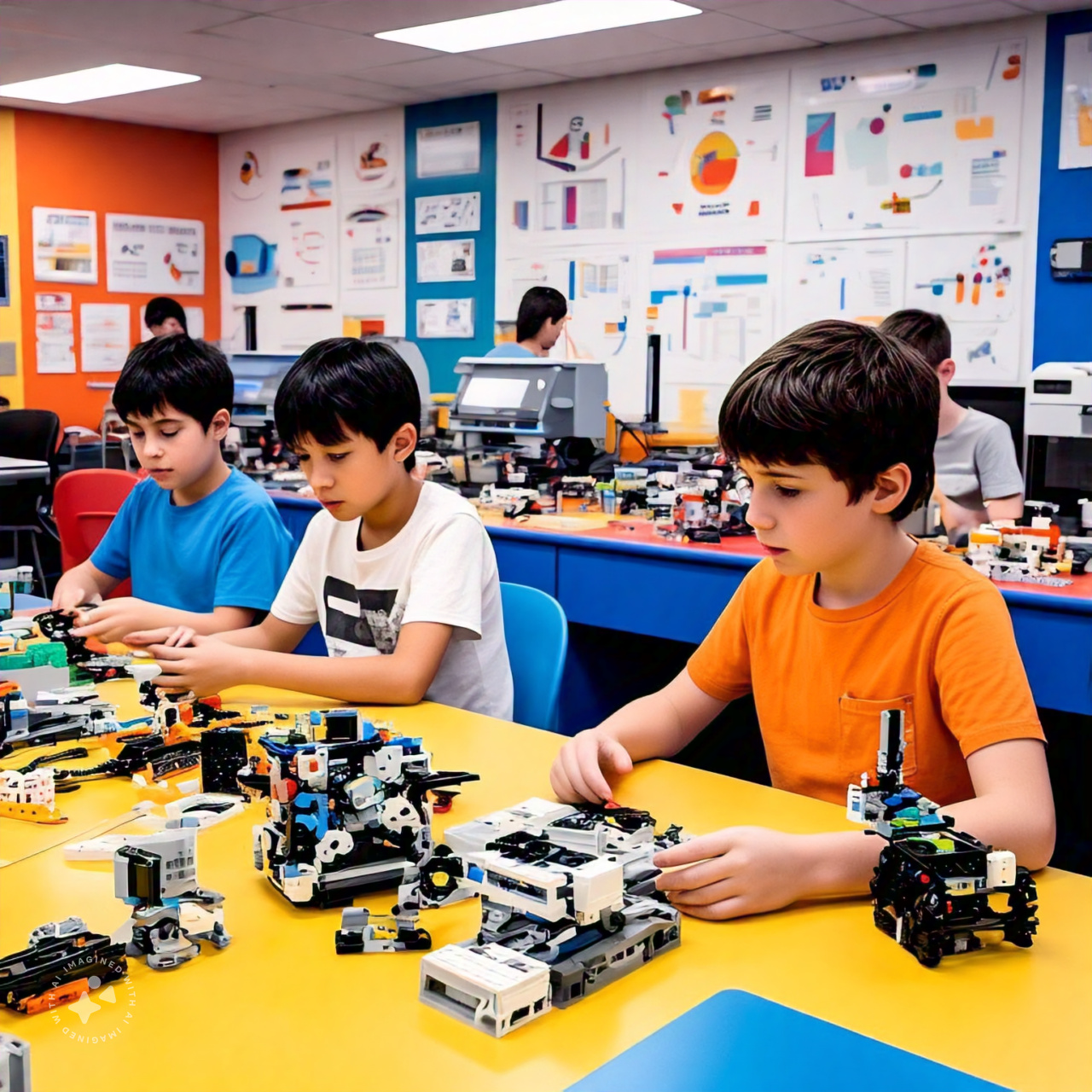
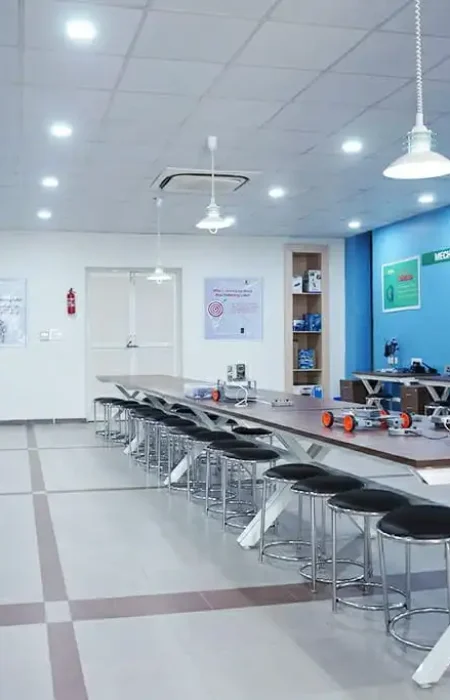
Many schools already have robotics kits, innovation spaces, or Atal Tinkering Labs. However, these resources often remain underused because they are not supported by a clear curriculum, trained faculty, or a long-term implementation model.
The result is familiar: equipment exists, but learning remains limited. A well-designed robotics program for schools solves this by turning existing infrastructure into an active learning environment where students build, test, and improve real projects throughout the year.
How Makers' Muse Helps Schools
Makers’ Muse is focused on hands-on STEM and future skills education. Its school solution is designed to support implementation across curriculum, training, and project execution.
The robotics program for schools includes:
- Robotics with Arduino, Raspberry Pi, Micro:bit, sensors, and servo motors.
- Coding pathways from block coding to Python and AI-assisted programming.
- AI and automation learning.
- 3D printing and design.
- Drones and electronics.
- Design thinking and innovation-based learning.
This approach ensures that the robotics program for schools supports both skill development and school-level execution.
| Traditional Robotics Program | Makers' Muse Robotics Program |
| Pre-assembled kits, one-time use | Open-source hardware: Arduino, Raspberry Pi, Micro:bit |
| Annual exhibitions only | Year-round programs with weekly robotics, AI, and making activities |
| Teachers untrained in robotics | 100+ skilled trainers plus faculty certification |
| No coding or AI integration | Integrated pathway: Scratch → Python → AI → physical computing |
| No competition prep | WRO, RoboCup Junior India, and ATL Innovation Marathon readiness |
School Outcomes
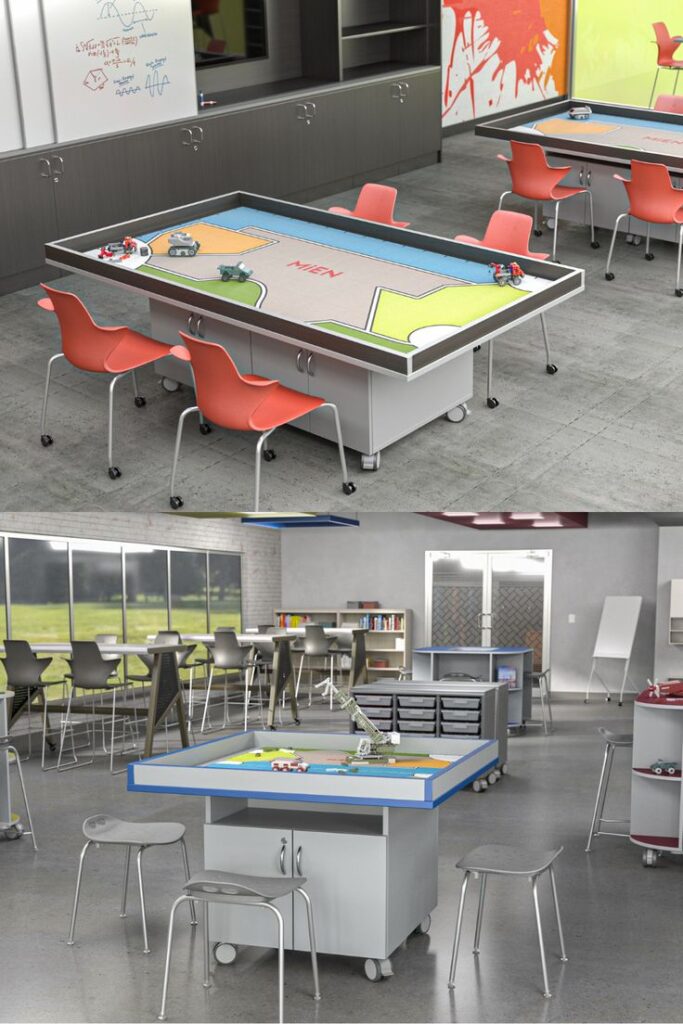
Decision-makers look for results, not just features. Our robotics program for schools produces clear institutional outcomes. It helps with:
- Increased STEM lab utilization.
- Higher student engagement through project-based learning.
- Better readiness for robotics competitions and innovation challenges.
- Stronger parent engagement through showcases and portfolios.
- Improved positioning as a future-ready institution.
These outcomes make the robotics program for schools a strategic academic investment rather than a supplementary activity.
Curriculum Integration
A common question from school leadership is how a robotics program for schools fits into the timetable. Makers’ Muse is designed to work across multiple delivery formats, allowing schools to integrate robotics without disrupting their academic structure.
Our robotics program for schools is delivered through:
- STEM lessons.
- ATL activities.
- Club-based learning.
- Innovation lab sessions.
- Integrated curriculum modules.
This flexibility makes it easier for schools to adopt a robotics program for schools that fits their schedule, faculty structure, and existing infrastructure.

Our Learning Pathway
The robotics program for schools follows a progressive learning structure.
| Grade Band | Focus | Sample Learning |
| Grade 3–5 | Foundations | Block coding, simple circuits, basic sensors |
| Grade 6–8 | Intermediate | Arduino, servo motors, multi-sensor integration |
| Grade 9–12 | Advanced | Python robotics, AI/ML, autonomous navigation, research projects |
These projects help students understand how robotics, coding, electronics, and design work together in real applications.


Free Resources
Makers’ Muse also provides free resources that support students, teachers, and schools in exploring STEM and robotics learning. This strengthens the value of the robotics program for schools by giving schools access to additional learning support outside the main curriculum.
| What We Offer | What It Includes | Primary Use |
| STEM Teaching Resources | Lesson plans, activity frameworks, and step-by-step teaching guides | Classroom delivery and lesson planning |
| STEM Worksheets, Reports & Assessments | Printable worksheets, project templates, and assessment rubrics | Evaluation and student tracking |
| STEM Hardware & Kits Guides | Guides for kits, tools, and hands-on prototyping | Practical experimentation and build support |
| STEM Learning Resources | Interactive digital materials that simplify complex STEM concepts | Independent learning and concept clarity |
| STEM Lab Makeover Resources | Lab design ideas, planning checklists, and infrastructure improvement guides | STEM lab setup and optimization |
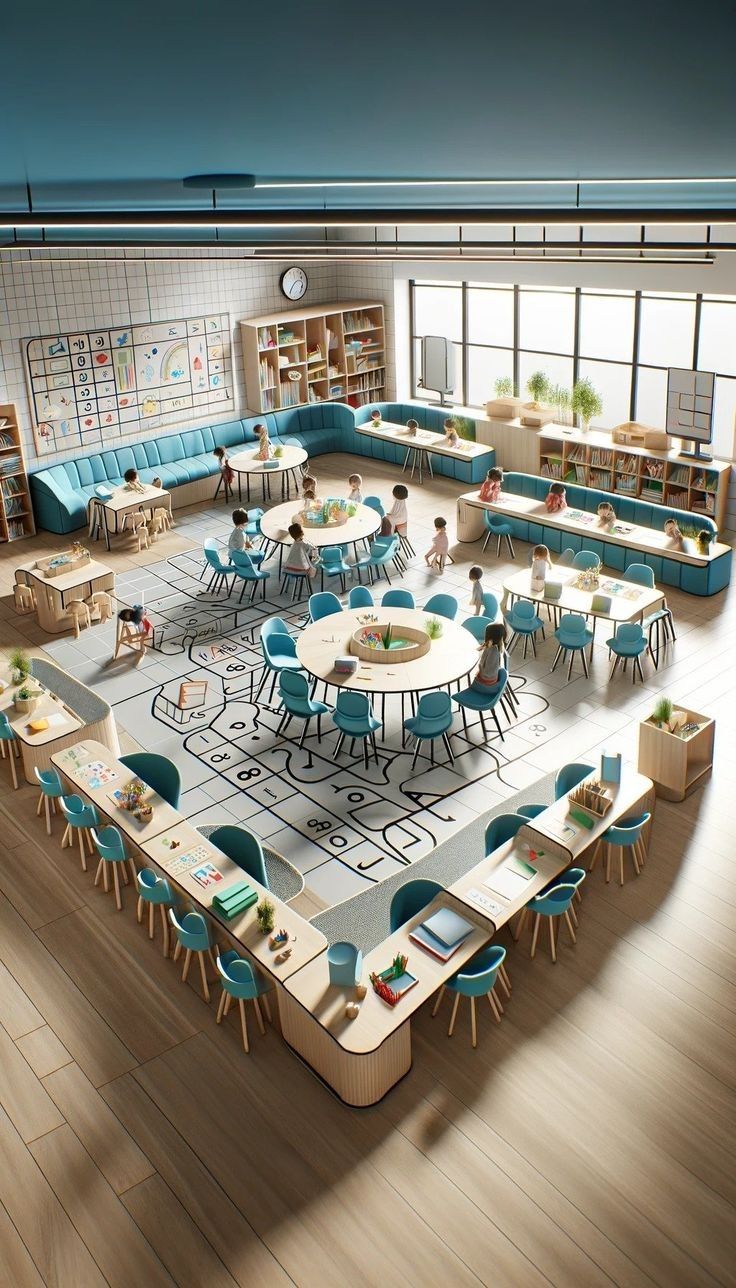
This resource ecosystem adds depth to the robotics program for schools and supports continued engagement beyond the classroom.
Competition Preparation
Makers’ Muse prepares students for external innovation opportunities, thereby adding credibility to the robotics program for schools and creating strong motivation for learners.
The program supports preparation for:
- World Robot Olympiad.
- RoboCup Junior India.
- ATL Innovation Marathon.
- IRIS National Fair.
- School innovation showcases.
Competition readiness helps students apply what they learn and gives schools a visible platform for showcasing achievement.
Why Schools Choose Makers' Muse
Schools choose our robotics program for schools because it combines curriculum, teacher support, project-based learning, and outcome-driven implementation in one model.
It is suitable for schools that want to:
Strengthen robotics and STEM learning.
Improve student engagement through hands-on work.
Support teachers with practical training.
Build future-ready skills in coding, AI, and engineering.
Create stronger visibility through student projects and showcases.
Set Your School Apart with an Atal Tinkering Lab in Agra
Call to Action
If your school is planning to introduce or improve a robotics program for schools, Makers’ Muse can help you build a structured and practical implementation model.
See how a robotics program for schools can fit into your curriculum, faculty structure, and existing infrastructure.
A Robotics Program in schools is a structured learning framework that combines robotics, coding, AI, electronics, and hands-on problem-solving to help students develop future-ready skills through practical learning experiences
A Robotics Program in Schools can be introduced from primary grades through senior secondary levels, with age-appropriate learning pathways that gradually progress from basic coding and robotics concepts to advanced engineering and automation projects.
By promoting experiential learning, critical thinking, creativity, and interdisciplinary problem-solving, a Robotics Program in schools aligns closely with the vision of NEP 2020 and modern STEM education practices.
Students work with technologies such as Arduino, Micro:bit, Raspberry Pi, Scratch, Python, IoT sensors, robotics kits, AI tools, and 3D design platforms, gaining exposure to industry-relevant skills and tools.
No. A Robotics Program in Schools can be implemented in existing STEM labs, innovation spaces, Atal Tinkering Labs (ATLs), or dedicated robotics labs. The program can also be customized based on a school’s current infrastructure and requirements.
Teachers receive structured training, classroom implementation support, mentoring, and access to learning resources to ensure they can confidently facilitate robotics and STEM learning activities.
Yes. Students can build the technical and problem-solving skills needed to participate in robotics competitions, innovation challenges, STEM fairs, and project showcases at regional, national, and international levels.
Schools can expect higher student engagement, improved STEM learning outcomes, greater utilization of innovation labs, stronger project portfolios, increased participation in competitions, and enhanced visibility as a future-ready institution committed to hands-on learning.