
What is the best way for kids to start learning programming for data science? This question is becoming increasingly important as today’s children grow up surrounded by intelligent systems, digital tools, and technology-driven experiences. Every action they take online, from watching videos to playing games, involves data being collected, analyzed, and used to shape their experience. This is exactly why programming for data science is no longer something reserved for adults or advanced learners. It is becoming essential for young minds, too.
Consider the example of Swapnil, an 11-year-old who loves puzzles and numbers. He often wonders how his favorite game predicts what he might do next. That spark of curiosity is the perfect entry point for exploring data science for kids. When children begin to see the invisible world behind everyday technology, they start to develop analytical thinking, creativity, and problem-solving skills. However, the real challenge is introducing programming for data science in a manner that is simple, engaging, and easy to follow.
This detailed guide explains how kids can begin their journey through step-by-step learning, interactive activities, relatable examples, storytelling, and structured kids’ programming courses. With the right approach, they can learn coding for data science with confidence and excitement.
1. Begin with Simple Data Concepts
Every child begins learning with curiosity about things around them. Data becomes easier to understand when explained through everyday examples.
Programming for data science does not start with formulas or advanced software. It begins with understanding that data is simply a form of information. Kids interact with data daily—how many chocolates they have, how many books they read, how many hours they sleep, or how many steps they walk. When they track such information, they are already using basic principles of data science for kids.
Introduce them to the idea that a data scientist observes, organizes, and analyzes information to find patterns and insights. Once children understand that data science is present in their daily routines, they naturally grow curious about learning more. This simple foundation allows them to feel confident when they later explore beginner data science projects for kids.
2. Use Interactive Learning Tools
Interactive platforms play a huge role in helping kids learn coding for data science. Many children understand better when they can visualize concepts instead of just reading about them.
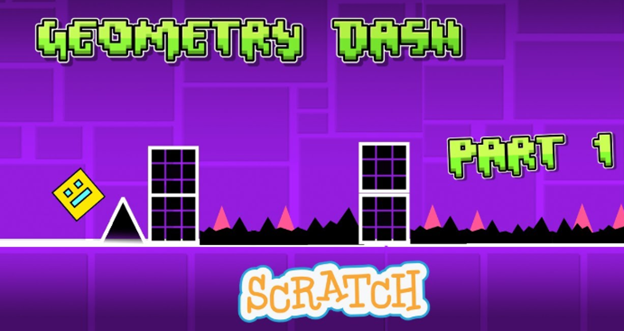
Tools like Scratch or Code.org are designed specifically to teach logical thinking and coding fundamentals. Kids can create animations, design small games, and build interactive stories. These activities support the principles behind programming for data science by teaching sequencing, loops, conditions, logic blocks, and creative problem-solving.
Most importantly, these platforms are designed to be fun. Kids learn naturally when they see immediate results, which boosts confidence. Parents and teachers often find that interactive tools form the perfect starting point before introducing kids programming courses with structured lessons.
3. Try Simple Data Projects
Simple, hands-on projects are one of the most effective ways to build a foundation in programming for data science. Real projects connect learning to meaningful experiences.
Here are some easy beginner data science projects for kids:
Record daily weather and compare temperatures
Track sleeping hours and analyze performance
Observe pet habits and note changes
Monitor screen time and identify patterns
Track savings or pocket money
Kids can use tools like Google Sheets to enter data, organize it, and convert it into charts or graphs. These activities help them understand the connection between raw information and visual insights. They also gain practical knowledge of how data is used in real life. Projects like these prepare them for more advanced kids programming courses in the future.
4. Relate Data Science to Everyday Life
Kids stay motivated when learning feels relevant. Connecting data science to everyday experiences helps children understand its real-world importance.
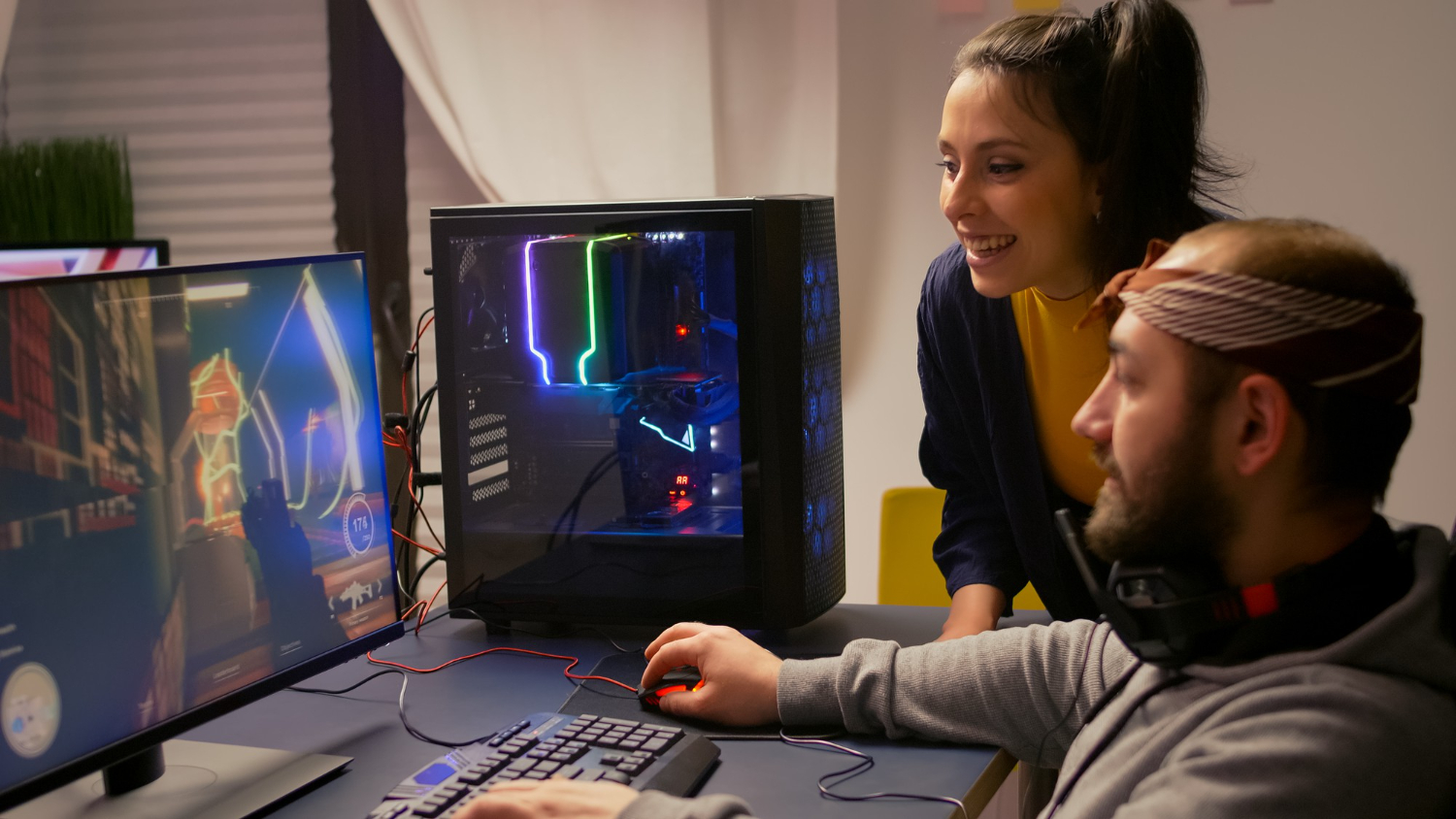
Explain how their favorite apps use data to recommend videos or songs. Show them how video games collect user behavior to adjust difficulty levels. Discuss how weather predictions, map navigation, and school surveys all rely on data.
When kids see that programming for data science is behind the tools they love, they naturally engage more. Data science for kids becomes exciting rather than intimidating.
5. Learn Through Stories and Games
Stories and games can make complex ideas simple. Learning becomes fun when kids experience concepts instead of memorizing them.
Books like Hello Ruby use storytelling to explain programming ideas. Games like Minecraft foster critical thinking, planning, data-driven problem-solving, and creativity. Some games even allow kids to automate actions using code-like logic.
These activities make learn coding for data science feel natural. Kids absorb concepts without feeling overwhelmed.
6. Introduce Structured Learning Opportunities
Once children develop basic interest, they can learn deeper concepts through structured kids programming courses. These may include:
Online Python classes for kids
Data-focused workshops
Beginner data science projects for kids
YouTube learning videos
School coding clubs
Python is one of the most widely used languages in programming for data science. Through guided lessons, kids gradually learn how to write simple programs, clean data, visualize patterns, and build projects.
7. Encourage Ongoing Exploration
Programming for data science is not something learned in one day. It requires curiosity, practice, and experimentation.
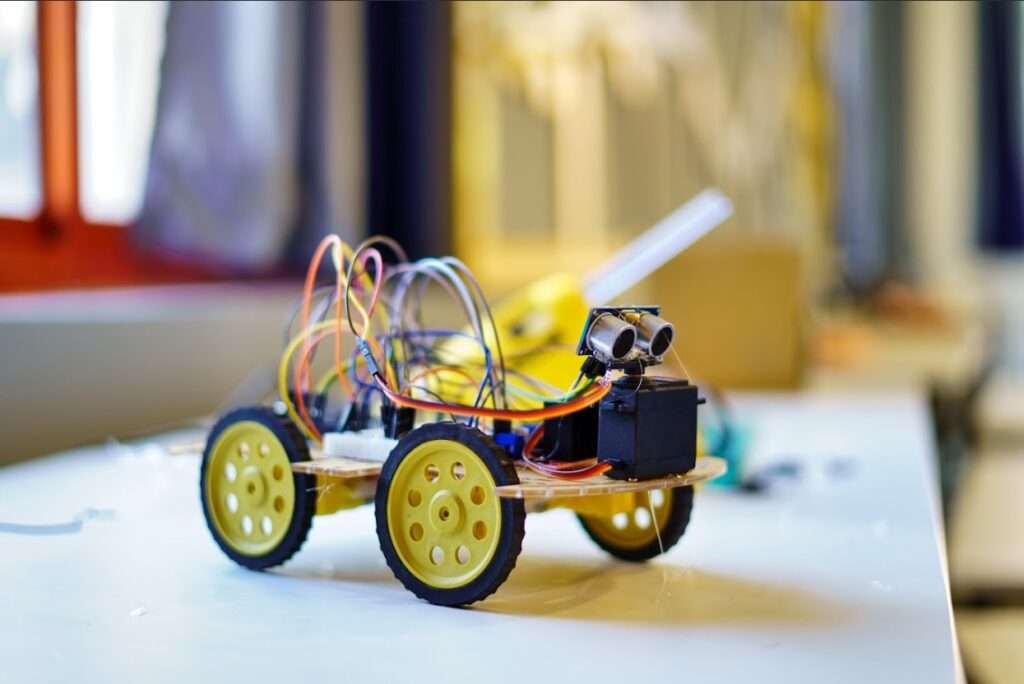
Encourage kids to explore advanced topics as they grow older. They might try robotics, AI tools, math challenges, or competitions. Parents and teachers can support kids by providing new projects, games, and resources regularly.
Learning data science for kids builds confidence and strengthens critical thinking, a skill that stays valuable for life.
Ready to Begin the Journey?
Introduce your child to the exciting world of programming for data science. With the right resources, interactive tools, and kids programming courses, they can learn coding for data science step by step. Explore beginner data science projects for kids and help them build a strong foundation for the future.