
Top 10 Innovative ATL Lab Project Ideas for School Students
What Is an Atal Tinkering Lab (ATL)?
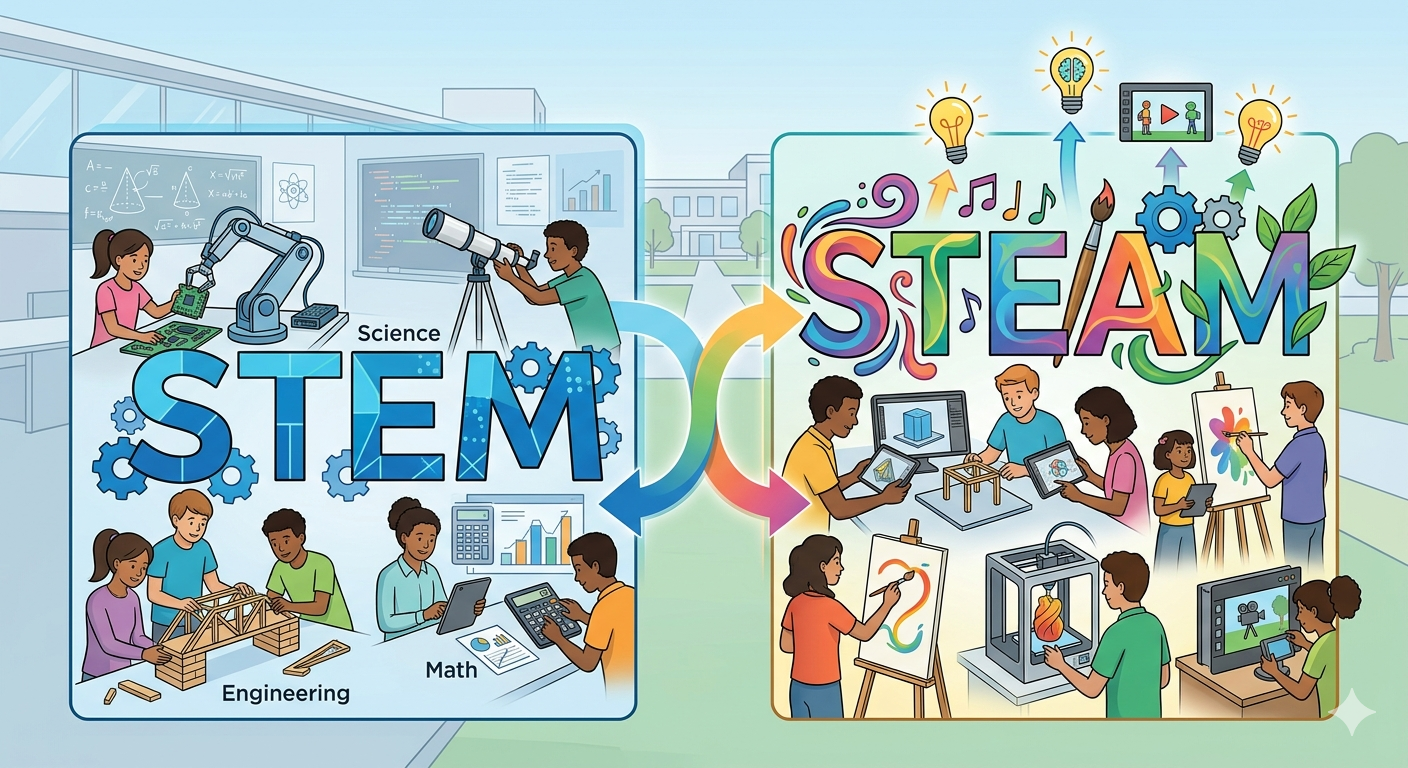
Atal Tinkering Labs (ATLs) are a flagship initiative by the Government of India under the Atal Innovation Mission (AIM), designed to nurture curiosity, creativity, and innovation among school students. These labs aim to move learning beyond textbooks by providing hands-on exposure to Science, Technology, Engineering, and Mathematics (STEM).
As of 2024, more than 10,000 schools across India are equipped with ATL labs, benefiting over 7.5 million students from both urban and rural regions. The labs are strategically distributed across all states and union territories, ensuring inclusive access to innovation-focused education.
A significant highlight of the ATL initiative is inclusivity—over 70% of ATL labs are set up in government and government-aided schools, bringing advanced STEM learning opportunities to underserved communities.
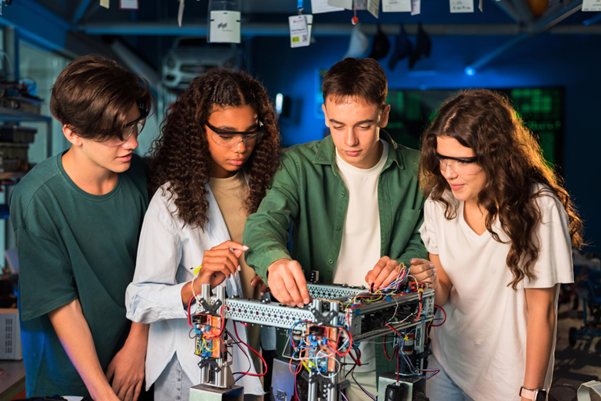
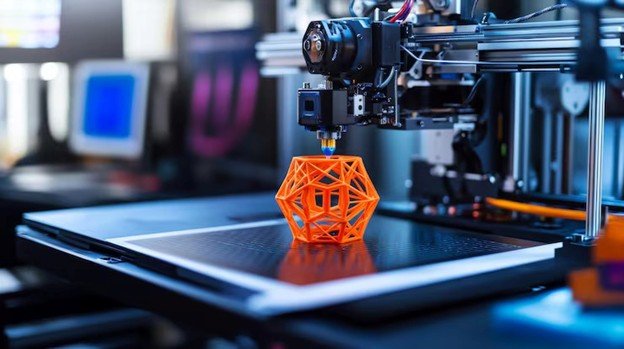
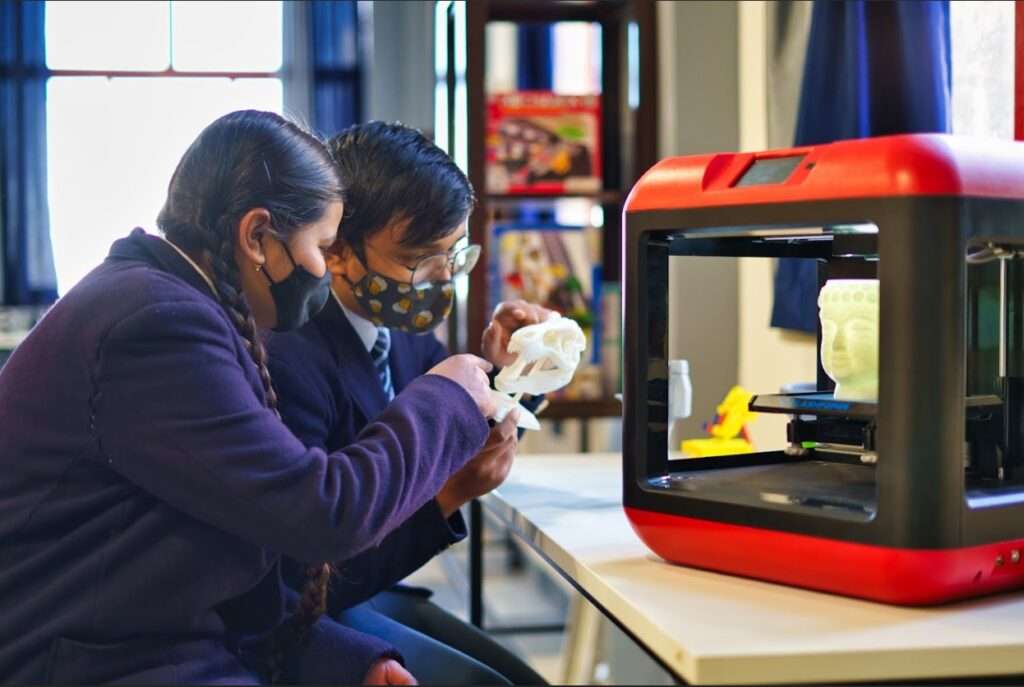
Each ATL receives grants to procure cutting-edge equipment such as 3D printers, robotics kits, microcontrollers, sensors, and prototyping tools. To ensure effective utilization, extensive teacher training programs are conducted, empowering educators to mentor students in project-based, experiential learning.
Through ATLs, students develop practical skills, teamwork, and problem-solving abilities. Many ATL innovators have gone on to participate in national and international competitions, creating real-world solutions for pressing societal challenges.
Top 10 Innovative ATL Lab Project Ideas for School Students
1. Solar-Powered Backpack Charger
Concept:
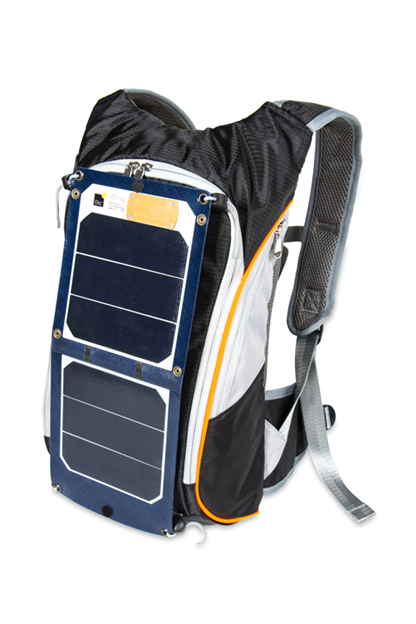
This project introduces students to renewable energy by transforming a regular backpack into a portable power source using solar energy.
Explanation:
Small solar panels attached to the backpack capture sunlight and convert it into electrical energy using photovoltaic cells. This energy is stored in a rechargeable battery and regulated to provide safe charging for devices like mobile phones or tablets. The project demonstrates how clean energy can be used in everyday life, especially in areas with limited access to electricity.
Learning Outcomes:
Students learn about solar power, energy conversion, power regulation, and sustainable technology while understanding real-world applications of green energy.
Skills Gained:
Renewable energy concepts, circuit design, sustainability awareness, problem-solving.
2. Smart Water Bottle Reminder
Concept:
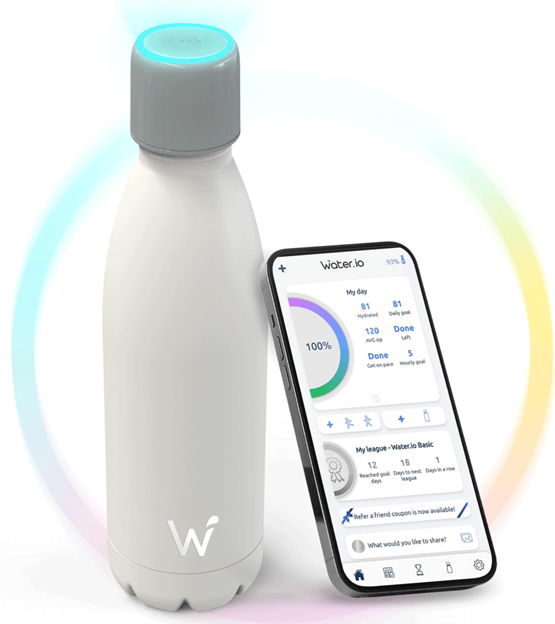
A health-focused electronics project that promotes good hydration habits using simple circuitry.
Explanation:
The water bottle is equipped with a timer circuit that triggers a buzzer at regular intervals, reminding the user to drink water. By using a 555 timer IC, students learn how timing circuits work without programming. This project highlights how electronics can be used to support healthy lifestyles.
Learning Outcomes:
Students understand timing circuits, basic electronics, and how technology can support wellness.
Skills Gained:
Analogue electronics, circuit assembly, and practical problem-solving.
3. DIY Air Quality Indicator
Concept:
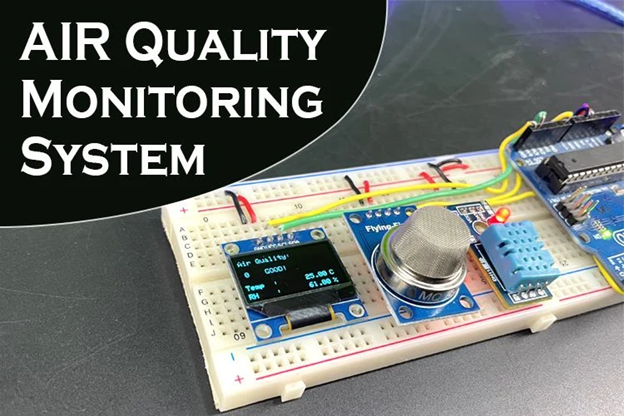
An environmental monitoring system that helps students visualise air pollution levels.
Explanation:
An MQ-135 air quality sensor detects harmful gases and pollutants present in the air. The sensor sends data to an Arduino, which processes the values and changes LED colours to indicate air quality (good, moderate, or poor). This project builds awareness of pollution and demonstrates how sensors are used in smart cities.
Learning Outcomes:
Students learn about sensors, data interpretation, and environmental science.
Skills Gained:
Sensor integration, microcontroller programming, and environmental analysis.
4. Voice-Controlled Desk Lamp
Concept:
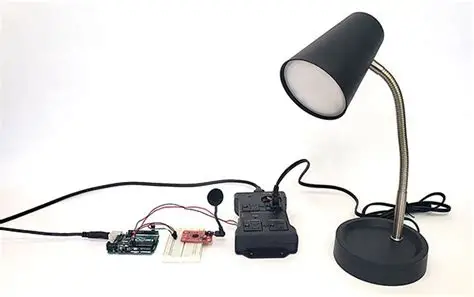
An introduction to voice-based automation and smart devices.
Explanation:
A microphone or sound sensor detects voice commands, which are processed by an Arduino to control a relay that switches the lamp ON or OFF. While it uses basic sound recognition, it helps students understand how voice-controlled smart assistants work at a fundamental level.
Learning Outcomes:
Students explore automation, sound sensing, and control systems.
Skills Gained:
Embedded systems, logical thinking, and basic automation design.
5. Rainwater Harvesting Model with Sensors
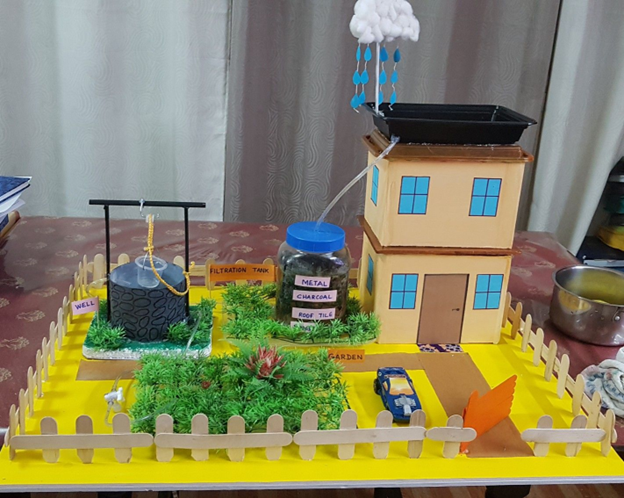
Concept:
A smart water conservation system that combines environmental awareness with technology.
Explanation:
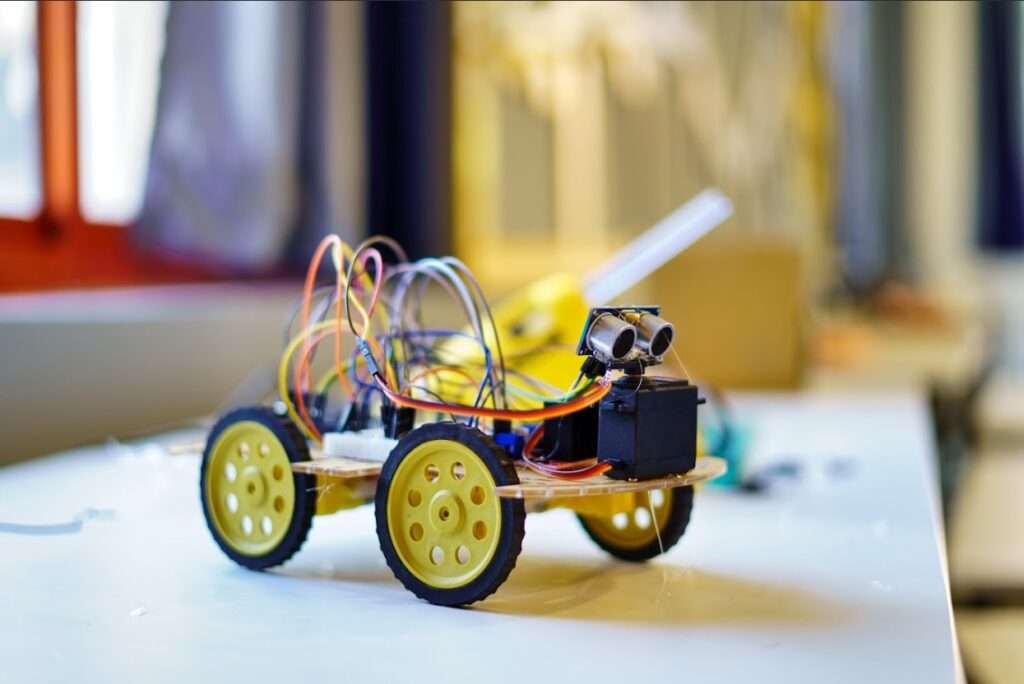
This model collects rainwater in a tank while an ultrasonic sensor continuously measures the water level. When the tank reaches a predefined level, LEDs or a buzzer alert the user. The project demonstrates how automation can prevent water wastage and manage resources efficiently.
Learning Outcomes:
Students learn about water conservation, sensors, and automation.
Skills Gained:
IoT fundamentals, sustainability thinking, system design
6. Eco-Friendly Seed Bomb Launcher

Concept:
A mechanical project focused on environmental sustainability and green initiatives.
Explanation:
The launcher uses elastic bands or springs to project seed bombs—small clay balls mixed with seeds—into open or barren land. Once exposed to rain, the clay dissolves and the seeds germinate. This project blends mechanical engineering with environmental responsibility.
Learning Outcomes:
Students understand basic mechanics and ecological restoration.
Skills Gained:
Mechanical design, creativity, environmental awareness.
7. Pet Feeder with Timer
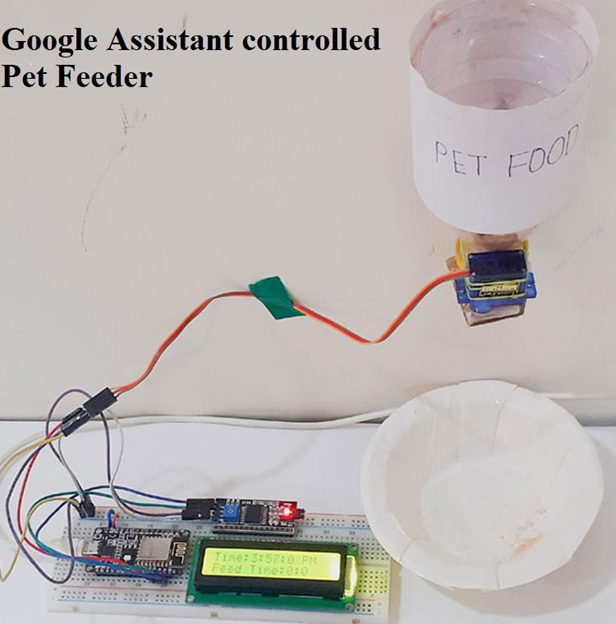
Concept:
An automation project that simplifies daily tasks using electronics.
Explanation:
A timer circuit activates a servo motor at fixed intervals to dispense a measured amount of pet food. Students learn how automated systems reduce manual effort and ensure consistency, a principle widely used in industries and smart homes.
Learning Outcomes:
Students understand automation logic and motor control.
Skills Gained:
Electromechanics, system automation, time-based control.
8. Smart Attendance Register
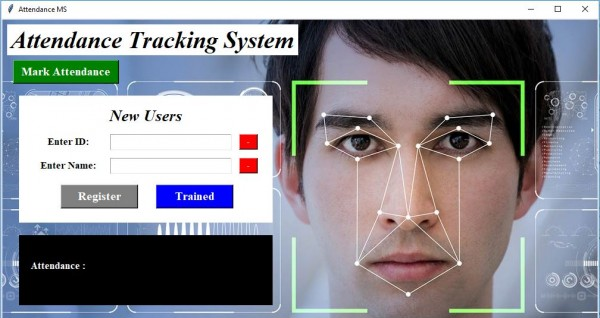
Concept:
A digital attendance system using RFID technology.
Explanation:
Each student uses an RFID card that, when scanned, is read by an RFID module connected to an Arduino. The system records attendance and displays confirmation on an LCD screen. This project demonstrates how automation improves efficiency in schools and offices.
Learning Outcomes:
Students learn about identification systems and data handling.
Skills Gained:
IoT basics, data management, hardware–software integration.
9. Temperature-Sensing Fan
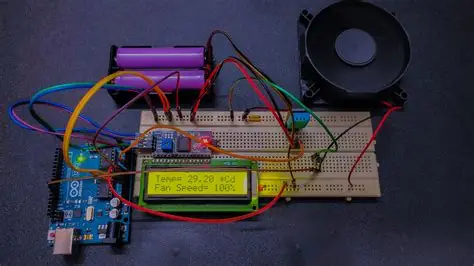
Concept:
An intelligent cooling system that responds to environmental conditions.
Explanation:
An LM35 temperature sensor continuously measures room temperature. When the temperature crosses a set threshold, the Arduino triggers a relay to turn the fan ON automatically. This project introduces feedback-based control systems used in smart appliances.
Learning Outcomes:
Students learn temperature sensing and conditional automation.
Skills Gained:
Control systems, sensor programming, and logical decision-making.
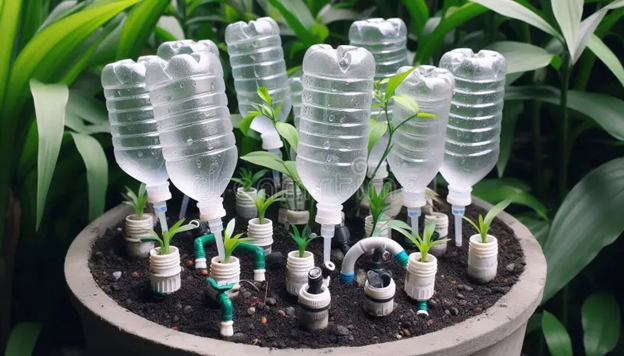
10. Recycled Bottle Drip Irrigation System
Concept:
A low-cost irrigation solution using recycled materials.
Explanation:
Plastic bottles with small holes allow water to drip slowly into the soil, ensuring consistent watering while reducing wastage. This project shows how simple designs can solve real agricultural and environmental challenges without complex technology.
Learning Outcomes:
Students understand water management and sustainability.
Skills Gained:
Design thinking, environmental conservation, creativity.
How Schools Can Implement ATL Lab Project Ideas Successfully
To maximize the impact of ATL lab project ideas, schools should:
- Provide structured mentorship and guidance
- Encourage participation in student innovation projects
- Focus on real-life problems using IoT based school projects
- Promote sustainability through smart dustbin project models
- Support experimentation and creativity under Atal Tinkering Lab innovations
Schools that adopt this approach become leaders in innovation-based education.
Conclusion: Empowering Young Innovators Through ATL Labs
ATL labs are not just spaces; they are launchpads for ideas. By adopting impactful ATL lab project ideas, schools can inspire students to think creatively, act responsibly, and innovate confidently. From Arduino waste management to IoT based school projects, these initiatives shape future-ready learners. Investing in student innovation projects today means building responsible innovators for tomorrow