Prompt Engineering: Foundations, Techniques, and Future Directions
Understanding Artificial Intelligence and Language Models
Artificial Intelligence, often called AI, is a branch of computer science that focuses on creating machines capable of performing tasks that usually require human intelligence. These tasks include understanding language, recognising patterns, solving problems, and making decisions. AI is already a part of daily life through voice assistants, search engines, recommendation systems, and educational tools.
Language models are a type of AI designed to understand and generate human language. They learn by analysing large amounts of text and identifying patterns in words, sentences, and meanings. When a user asks a question or gives an instruction, the language model predicts a response based on what it has learned. However, the quality of the response depends greatly on how the question or instruction is given.
This is where prompt engineering becomes important.
What Is Prompt Engineering and Why It Matters
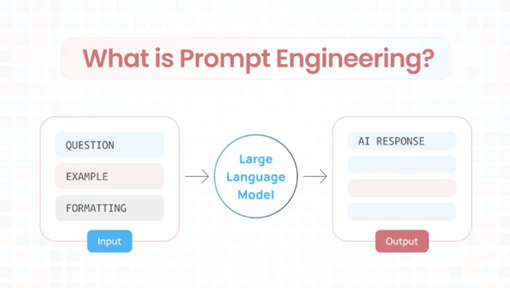
Prompt engineering is the skill of writing clear and effective instructions that guide an AI system to produce useful and accurate responses. A prompt is simply the input given to an AI, such as a question, command, or description of a task.
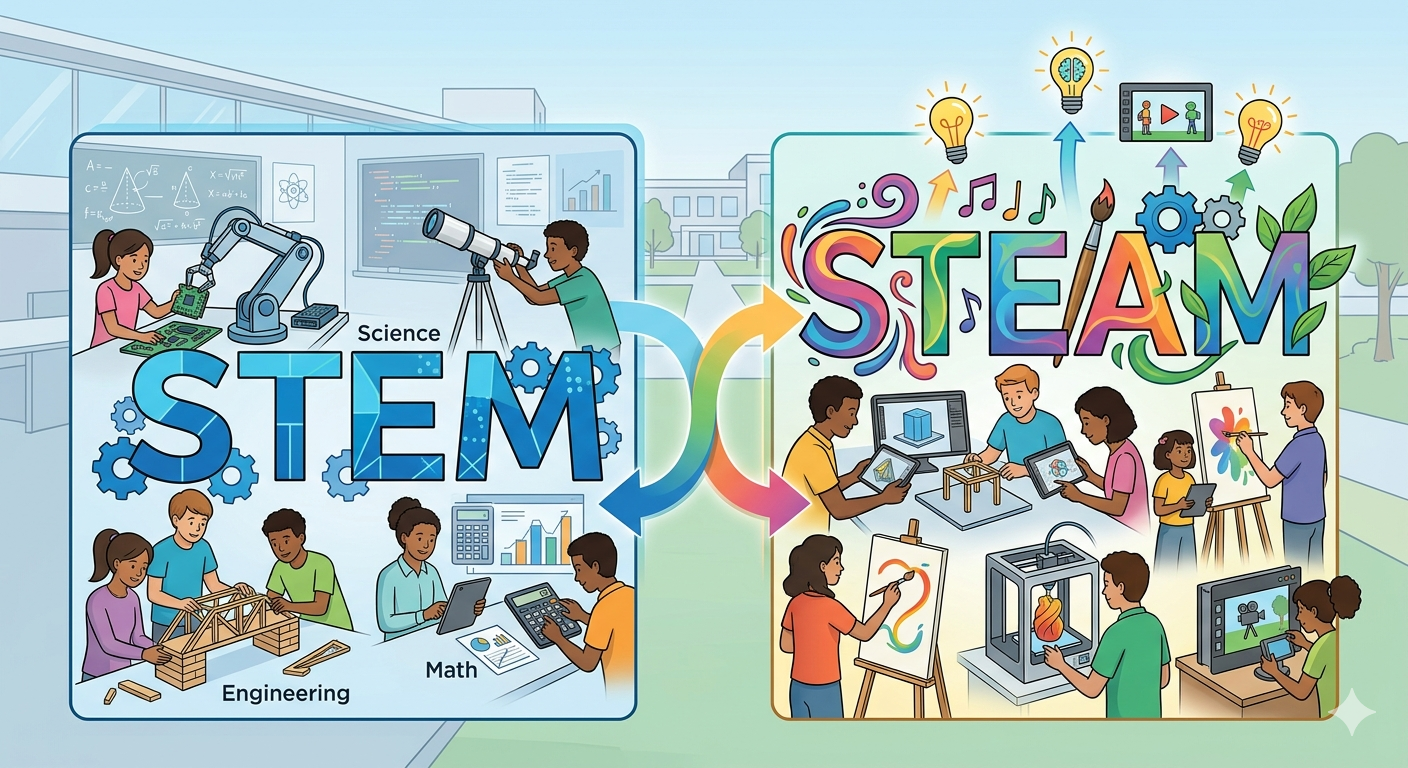
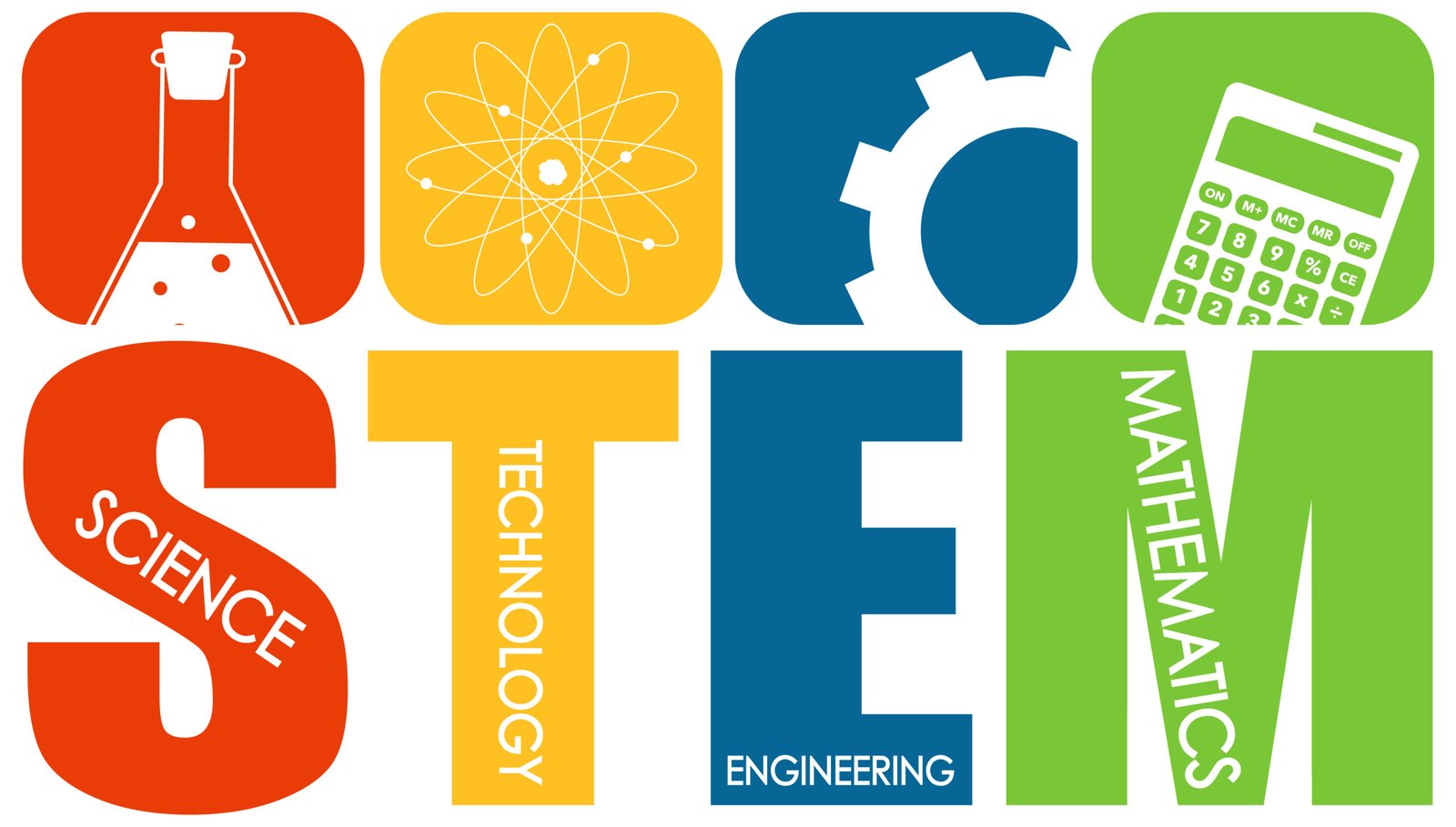
In the context of STEM education (Science, Technology, Engineering, and Mathematics), prompt engineering becomes an important skill. It encourages students to think logically, communicate clearly, and break down complex problems—just like they would when solving a math equation, designing an experiment, or writing code. By practising how to structure precise and detailed prompts, students strengthen critical thinking, problem-solving, and analytical skills that are essential in STEM fields.
Prompt engineering matters because AI systems do not think like humans. They rely entirely on the input they receive. A vague or confusing prompt may lead to incomplete or incorrect responses, while a well-structured prompt can produce detailed and meaningful results.
Building the Basics of Prompt Engineering
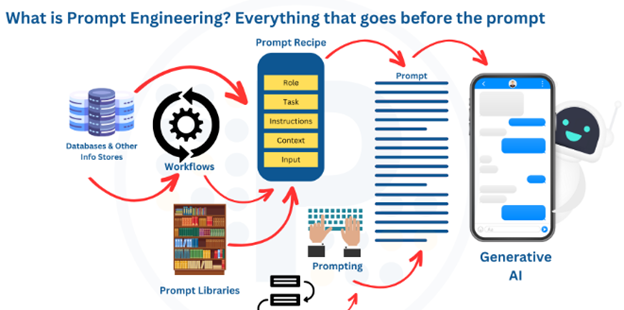
The fundamentals of prompt engineering focus on clarity, simplicity, and purpose. A good prompt clearly explains what the user wants and avoids unnecessary complexity.
At the basic level, prompts should include:
- A clear task or question
- Enough context to guide the response
- Simple and direct language
For example, instead of asking a general question, students can ask a focused question that explains the topic and the expected level of detail. This helps the AI generate answers that are easier to understand and more relevant.
Learning these basics helps students improve their communication skills, logical thinking, and ability to break down problems into clear instructions.
Designing Prompts That Lead to Better Responses
Structuring prompts properly is one of the most important aspects of prompt engineering. A well-structured prompt organises information in a way that helps the AI understand the task step by step.
Effective prompts often include:
- The role the AI should take, such as explaining or teaching
- The topic or subject area
- The level of explanation required
- Any specific format or constraints
By organising prompts carefully, students can guide AI to produce responses that match their learning needs. This approach also helps students think more critically about what they want to learn and how to express it clearly.
Prompt structuring teaches students that good results often come from good preparation and thoughtful communication.
Exploring Advanced Prompt Engineering Techniques
As students become more comfortable with basic prompts, they can explore advanced techniques that improve response quality even further. These techniques help AI perform complex tasks more accurately.
One advanced approach involves breaking a task into smaller steps and asking the AI to solve each step one by one. This helps the AI focus and reduces confusion. Another technique involves providing examples within the prompt to show the AI what kind of answer is expected.
Students can also guide AI responses by specifying tone, audience, or depth. For example, asking for an explanation suitable for a school student encourages simpler language and clearer examples.
These techniques help students understand how structured thinking and guidance can improve outcomes, both in AI interaction and real-life problem-solving.
Real-World Uses and Applications of Prompt Engineering
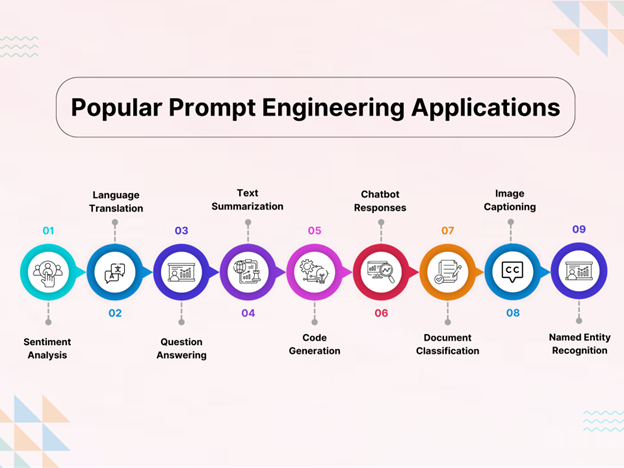
Prompt engineering is used in many real-world applications across different fields. In education, it helps students get explanations, summaries, and practice questions tailored to their level. Teachers use it to design lesson plans and learning materials.
In creative fields, prompt engineering helps generate stories, poems, artwork descriptions, and ideas. In technology and business, it supports tasks such as drafting documents, analysing information, and automating repetitive work.
For students, prompt engineering can be a powerful learning tool. It encourages curiosity, experimentation, and independent learning. By learning how to interact effectively with AI, students gain skills that are increasingly valuable in modern education and careers.
The Future of Prompt Engineering and Artificial Intelligence
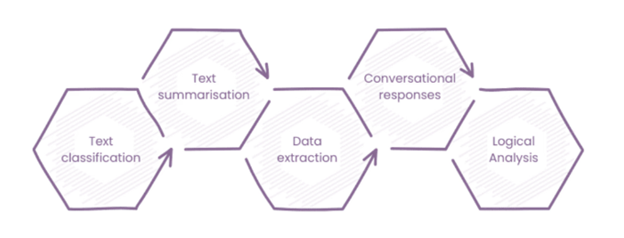
As AI systems continue to improve, prompt engineering will become even more important. Future AI models will be more powerful, but they will still depend on human input to guide their actions.
In the future, prompt engineering may become a key digital skill, similar to basic computer literacy. Students who understand how to communicate effectively with AI will be better prepared for careers in science, technology, education, and many other fields.
AI tools are also expected to become more interactive, allowing users to refine prompts through conversation. This will make learning more personalised and accessible, especially for students with different learning styles.
Ethical Awareness and Responsible Use of AI
While AI offers many benefits, it is important to use it responsibly. Ethical considerations play a major role in the future of AI and prompt engineering.
Students should understand that AI does not replace human thinking. It should be used as a learning aid, not as a shortcut to avoid effort or creativity. Responsible use includes checking information, avoiding misuse, and respecting academic honesty.
There are also concerns related to privacy, fairness, and bias in AI systems. Learning about these issues helps students become informed and responsible users of technology.
Teaching ethics alongside technology ensures that future generations use AI wisely and thoughtfully.
Encouraging Critical Thinking Through Prompt Engineering
Prompt engineering is not just about interacting with machines. It also helps students develop critical thinking and communication skills. Writing good prompts requires planning, clarity, and reflection.
Students learn to ask better questions, analyse responses, and improve their instructions. These skills are useful far beyond AI, helping in writing, problem-solving, and teamwork.
By practising prompt engineering, students become more confident learners who take an active role in their education.
Conclusion
Prompt engineering is an essential skill in the age of artificial intelligence. By learning how AI and language models work, understanding the basics of writing effective prompts, and exploring advanced techniques, students gain valuable insights into modern technology.
Through real-world applications and ethical awareness, prompt engineering helps students use AI responsibly and creatively. As AI continues to shape the future, learning how to communicate clearly with intelligent systems will become an important part of education.
Prompt engineering empowers students not just to use technology, but to understand it, guide it, and learn from it in meaningful ways.