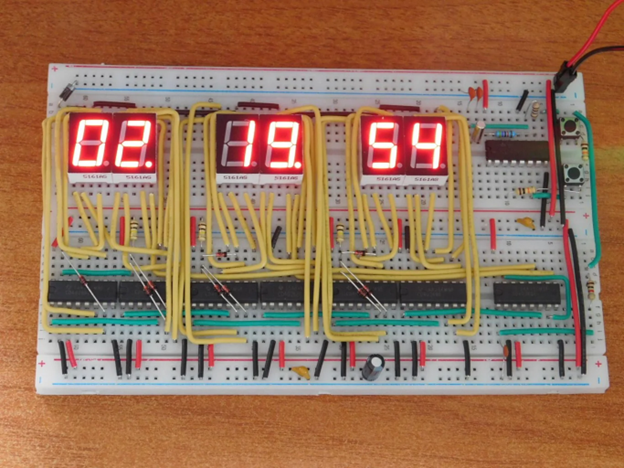
Non-Microcontroller Electronics Projects: Basics of Electricity and Simple Circuits
Discovering Electronics Without Microcontrollers
Electronics does not always begin with complex programming or microcontrollers. In fact, some of the most important learning happens when students explore simple electrical concepts using basic components. Non-microcontroller electronics projects help students understand how electricity flows, how circuits are formed, and how everyday devices work at a fundamental level.
These projects are ideal for school students because they focus on hands-on learning. By building simple circuits and experimenting with components, students develop curiosity, confidence, and a strong foundation in electronics before moving on to advanced technologies.
Introduction to Electricity and Basic Electronics
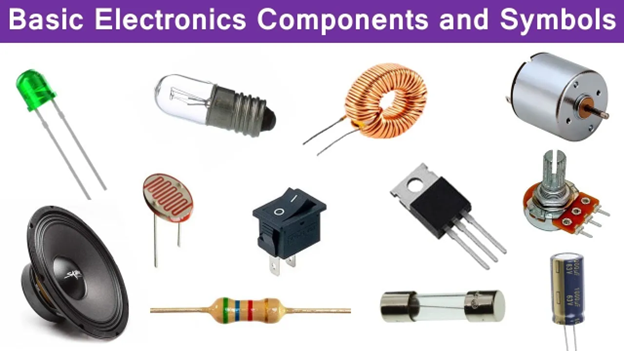
Electricity is the flow of electric charge through a conductor, usually in the form of electrons moving through a wire. It is the energy source behind lights, fans, televisions, and countless other devices used every day.
Basic electronics involves learning how to control this electrical energy using simple components such as batteries, wires, switches, resistors, and light-emitting devices. Each component has a specific role. A battery provides power, wires create a path for current, switches control the flow, and output devices show visible results.
Understanding these basics helps students realise that electronic systems are built step by step. Even the most advanced machines begin with simple electrical principles.
Understanding the Idea of a Simple Circuit
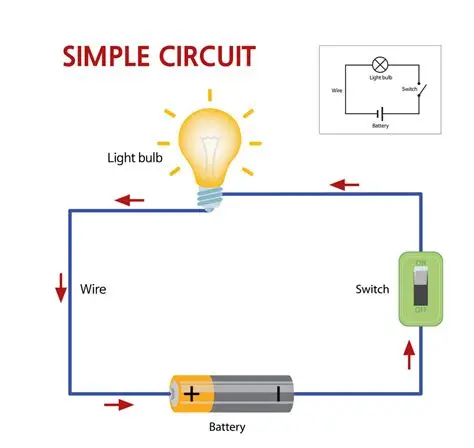
A simple circuit is the most basic form of an electrical system. It consists of a power source, conducting wires, and a device that uses electricity. For electricity to flow, the circuit must form a complete loop.
When the loop is complete, current flows and the device operates. If the loop is broken, the current stops flowing. This concept explains why lights turn off when a switch is opened or when a wire is disconnected.
Building simple circuits allows students to see how electricity behaves and helps them understand the importance of proper connections.
Exploring Light Control Through a Fading LED
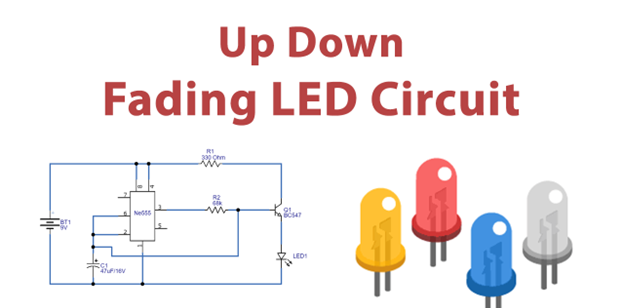
A fading LED project introduces students to the idea that brightness can be controlled, not just turned on or off. In this project, the light gradually becomes brighter and dimmer instead of changing instantly.
This effect is usually achieved by controlling the amount of current flowing through the LED using basic electronic components. Students learn that light intensity depends on electrical flow and that small changes can produce visible effects.
The fading LED project helps students understand gradual change, energy control, and how electronic components interact with each other. It also makes learning more engaging by creating visually appealing results.
Building a Simple Flashlight Circuit
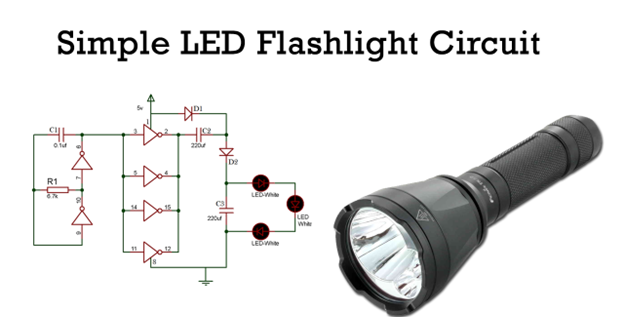
The flashlight project is one of the most practical non-microcontroller electronics activities. It helps students understand how everyday devices are built using basic components.
In this project, a battery supplies power, wires carry current, a switch controls the circuit, and a light source produces illumination. When the switch is turned on, the circuit is completed, and the light turns on. When the switch is turned off, the circuit breaks, and the light turns off.
This project shows students how simple ideas are used to create useful tools. It also reinforces concepts such as circuit completion, power control, and energy conversion.
Learning Through Circuit Tiles and Modular Connections
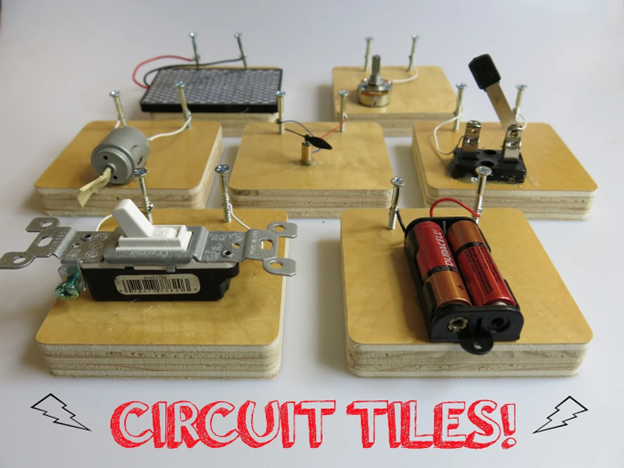
Circuit tiles are an interactive way to learn electronics without dealing with loose wires or complex setups. These tiles represent different electronic components and can be connected easily to form circuits.
Each tile performs a specific function, such as providing power, acting as a switch, or producing light. When tiles are connected correctly, students can see immediate results.
This approach makes learning safer and more accessible, especially for younger students. It encourages experimentation and problem-solving while reducing the fear of making mistakes.
Developing Logical Thinking with Match the Pair Activities
Match the pair activities introduce electronics concepts through logical matching rather than physical wiring. In these activities, students match components with their functions or connect circuit parts correctly to complete a task.
This type of project strengthens understanding by encouraging students to think about how components relate to each other. It also helps them remember symbols, functions, and circuit behaviour.
Match the pair activities are especially useful in classrooms because they promote discussion, teamwork, and conceptual clarity before moving on to hands-on building.
Why Non-Microcontroller Projects Are Important for Students
Non-microcontroller electronics projects focus on understanding rather than programming. This makes them ideal for beginners who are new to electronics.
These projects help students:
- Understand how electricity flows
- Learn the purpose of basic components
- Build confidence through simple successes
- Develop problem-solving and logical reasoning skills
- Connect theory with real-world applications
By starting with non-microcontroller projects, students develop a strong base that prepares them for advanced learning later.
Encouraging Safe and Curious Learning
Safety is an important part of electronics education. Non-microcontroller projects typically use low-voltage power sources, making them safe for school environments.
Students learn how to handle components responsibly, make correct connections, and troubleshoot problems. This builds discipline and careful thinking while encouraging curiosity and exploration.
Teachers and parents can guide students to ask questions, test ideas, and learn from mistakes, turning electronics into an enjoyable learning experience.
Connecting Electronics to Everyday Life
One of the biggest advantages of learning basic electronics is understanding how everyday devices work. Flashlights, switches, toys, and lights all operate on the same principles that students learn through simple projects.
This connection makes learning meaningful. Students realise that electronics is not just a subject in a textbook but a part of daily life. This realisation often sparks interest in science, engineering, and technology careers.
Conclusion
Non-microcontroller electronics projects provide an excellent introduction to the world of electricity and circuits. By working on simple circuits, fading LEDs, flashlights, circuit tiles, and matching activities, students gain a clear and practical understanding of basic electronics.
These projects focus on hands-on learning, logical thinking, and real-world relevance. They help students move from curiosity to confidence, building a strong foundation for future exploration in electronics and technology.
Read More about: STEM Education