Live Projects for Kids: Learning Through Real-World Creation
Introduction
Education today is shifting from theory-heavy learning to practical, experience-based learning. Students learn faster and remember concepts better when they apply knowledge to real situations. This is where live projects play a major role in modern education.
Live projects for kids are real-world, practical activities where students build or create something that actually works in real life. These projects allow students to combine creativity, technology, and problem-solving skills while working on meaningful solutions.
Through live projects, students do more than just study science or technology concepts. They design systems, build prototypes, test ideas, and improve their creations. This process helps them understand how innovation happens in the real world.
Below are ten powerful live projects students can work on, including the technologies used, steps involved, and the expected results.
Smart Plant Watering System
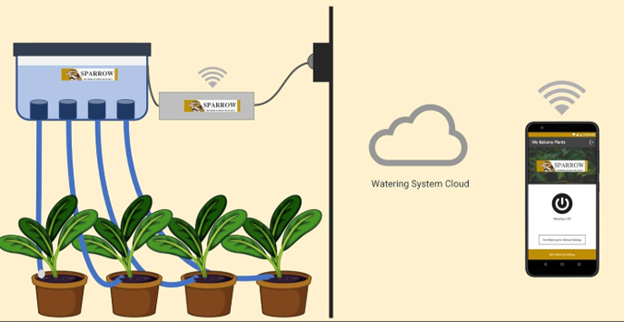
This project helps students understand how technology can help in agriculture and plant care. Students use technologies such as soil moisture sensors, microcontrollers like Arduino, small water pumps, and connecting wires. The system detects when the soil becomes dry and automatically activates the pump to water the plant.
The steps usually involve connecting the moisture sensor to the microcontroller, programming the system to detect moisture levels, and attaching the pump that delivers water when the soil becomes dry. Students test the system by placing the sensor in soil and monitoring how it responds. The final result is a smart irrigation system that waters plants automatically. Students learn how automation and sensor technology can be used in real-life environmental solutions.
Obstacle Avoiding Robot
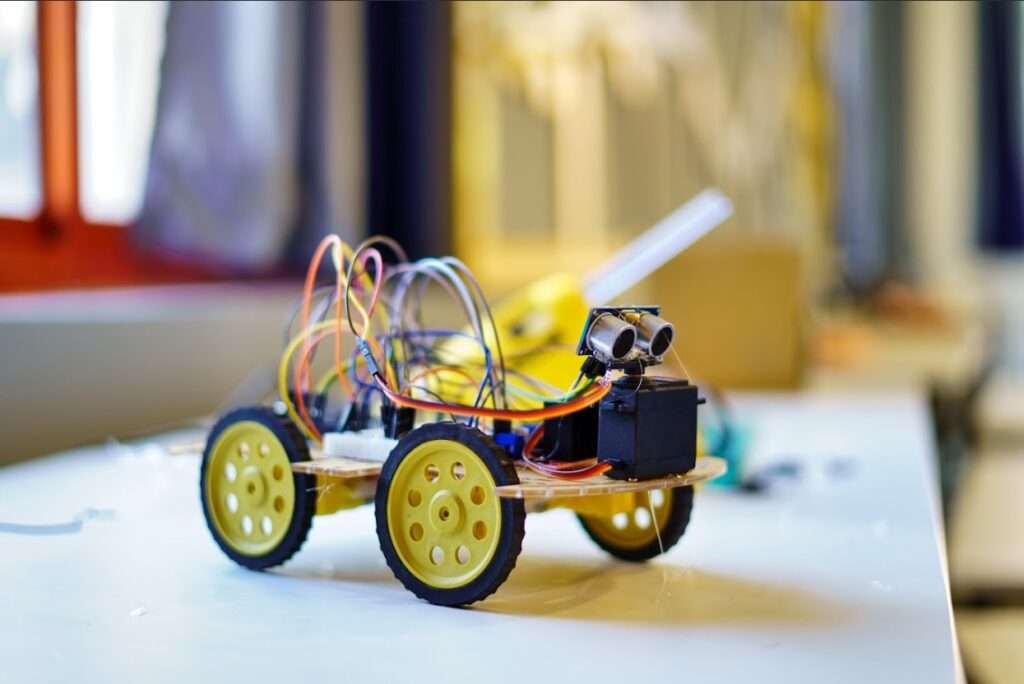
This project introduces students to robotics and automation. Students use technologies such as ultrasonic sensors, robot chassis, motors, wheels, motor drivers, and a microcontroller like Arduino. The ultrasonic sensor detects objects in front of the robot and sends signals to change direction.
The project steps include assembling the robot body, connecting motors and sensors, writing a program that allows the robot to detect obstacles, and testing the robot’s movement on a floor surface. The result is a robot that moves independently and avoids obstacles in its path. This project helps students understand robotics programming, electronics, and mechanical design.
Smart Home Lighting Model
This project introduces students to home automation concepts. Students use technologies such as light sensors, microcontrollers, LED lights, and relay modules. These components allow lights to automatically turn on or off depending on environmental conditions.
Students first create a small house model, then connect the light sensor to detect darkness or brightness. They program the system so that lights automatically switch on when the environment becomes dark. The final outcome is a smart lighting system that demonstrates how automated homes work. Students gain exposure to automation technology and energy-saving systems.
Automatic Hand Sanitiser Dispenser
This project shows how technology can improve hygiene and safety. Students use technologies such as infrared sensors, small motors or pumps, microcontrollers, and a container for sanitiser. The sensor detects a hand placed under the dispenser and activates the pump automatically.
The project steps include setting up the sensor to detect motion, connecting the pump mechanism, programming the microcontroller, and testing the system to ensure the sanitiser is dispensed correctly. The result is a touch-free sanitiser dispenser that promotes hygiene. Students understand how sensors and automation can be applied in public health solutions.
Mini Weather Monitoring Station
This project helps students understand environmental data collection. Students use technologies such as temperature sensors, humidity sensors, microcontrollers, and digital displays or dashboards. These sensors collect weather information from the surroundings.
The process involves connecting the sensors to the microcontroller, writing a program to capture temperature and humidity data, and displaying the results on a screen or computer. The final system works like a small weather station that provides real-time environmental data. Students learn how data collection and monitoring systems work in weather forecasting.
Line Following Robot
This robotics project teaches students how machines follow programmed paths. Students use infrared sensors, robot chassis, motors, motor drivers, and microcontrollers. The sensors detect a black or colored line on the floor and guide the robot to follow it.
Students assemble the robot body, attach the sensors near the wheels, program the robot to follow the line, and test the robot on a track drawn on paper or tape. The final result is a robot that automatically follows a path. This project helps students understand robotics movement, sensor technology, and programming logic.
Smart Parking System Model
This project demonstrates how technology can improve city infrastructure. Students use technologies such as ultrasonic sensors, LEDs, microcontrollers, and a parking lot model. The sensors detect whether a parking space is occupied or free.
Students build a miniature parking model, install sensors in each parking slot, and connect indicator lights to show availability. Programming allows the system to update parking status automatically. The final result is a smart parking model where drivers can easily see available parking spaces. Students learn how technology can solve real-world urban challenges.
Water Level Indicator System
This project focuses on water conservation and monitoring. Students use water level sensors, microcontrollers, LEDs, and buzzers. The system detects the water level in a tank and alerts users when the tank becomes full or empty.
The steps include placing sensors at different levels inside a water container, connecting the system to a microcontroller, and programming the alerts. The final outcome is a device that helps monitor water usage and prevents overflow. Students understand how sensor-based monitoring systems help manage resources efficiently.
- Solar Powered Device Model
This project introduces renewable energy technologies. Students use solar panels, rechargeable batteries, small motors or LEDs, and wiring components. The solar panel collects sunlight and converts it into electrical energy.
Students connect the solar panel to a battery and power a small device such as a fan or lighting system. They test how sunlight affects energy production. The result is a working solar-powered device that demonstrates how renewable energy systems operate. Students learn about sustainable technology and clean energy solutions.
- Mobile App for Daily Tasks
This project introduces students to software development. Students use technologies such as mobile app development platforms like MIT App Inventor or basic coding environments. The app helps users manage tasks like reminders, schedules, or homework lists.
Students first design the interface, then add features such as task entry, notifications, and reminders. After testing the app, they improved the design and functionality. The final result is a simple mobile application that works on smartphones. Students gain experience in digital product design, coding logic, and user experience development.
Conclusion
Live project learning allows students to apply classroom knowledge to real-world innovation. Live projects for kids are real-world practical activities where students build or create something that actually works in real life.
By working on these projects, students learn how technology works, how problems can be solved through innovation, and how ideas can be transformed into practical solutions. They also develop important skills such as creativity, teamwork, critical thinking, and technical understanding.
When students participate in live projects, education becomes more interactive, meaningful, and future-focused. These experiences inspire young learners to become creators, innovators, and problem solvers in the world of tomorrow.
Learn More About STEM Education