How to Build an Equitable Learning Community in Your Science Classroom
Creating an equitable learning community in a science classroom is not just about fairness. It is about ensuring that every student, regardless of background, ability, language, or learning style, feels valued, capable, and supported. Science has the power to inspire curiosity and innovation, but only when students feel that they truly belong.
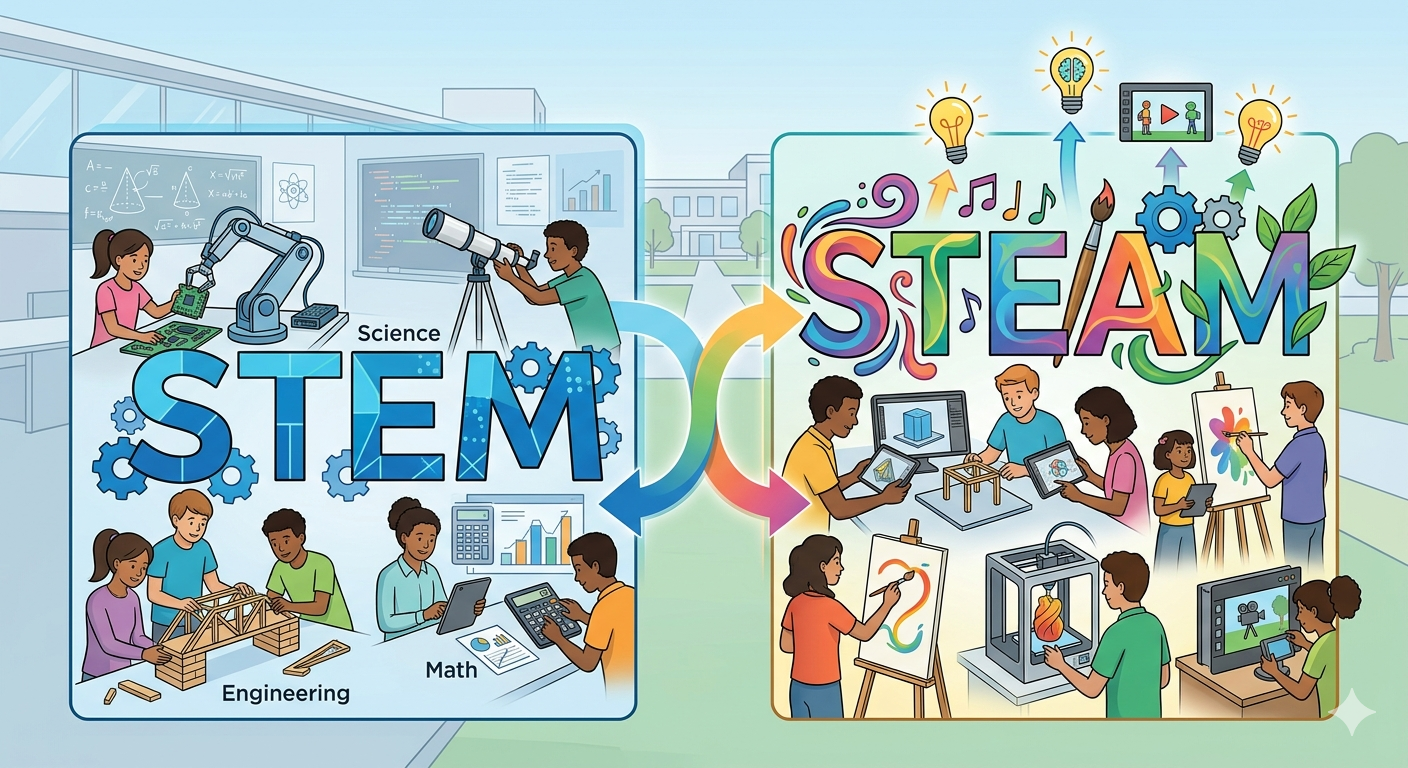
An equitable classroom does not happen by accident. It is built intentionally through inclusive science instruction, culturally responsive teaching strategies, and a strong collaborative classroom culture. When these elements come together, students are more engaged, confident, and motivated to explore the world around them.
Let us explore how you can build this kind of environment in your science classroom.
Start with Inclusive Science Instruction
Inclusive science instruction means designing lessons that give every student an opportunity to participate meaningfully. It goes beyond simply allowing everyone to sit in the same room. True inclusion ensures that all learners can access content, express ideas, and contribute to discussions.
In many classrooms, science can feel intimidating. Complex terminology, abstract theories, and lab experiments may overwhelm some students. To create inclusion, teachers can:
- Use simple and clear language before introducing technical terms
- Provide visual aids such as diagrams, charts, and models
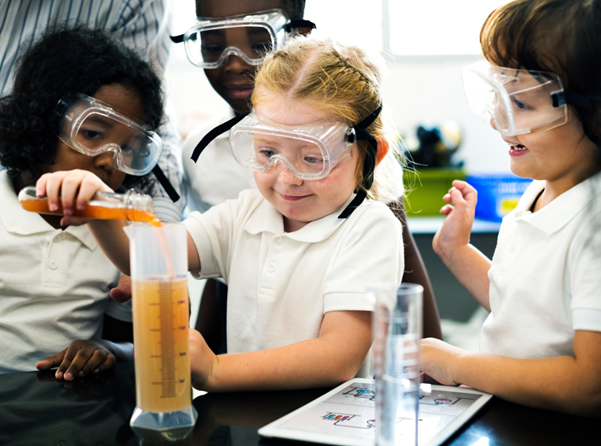
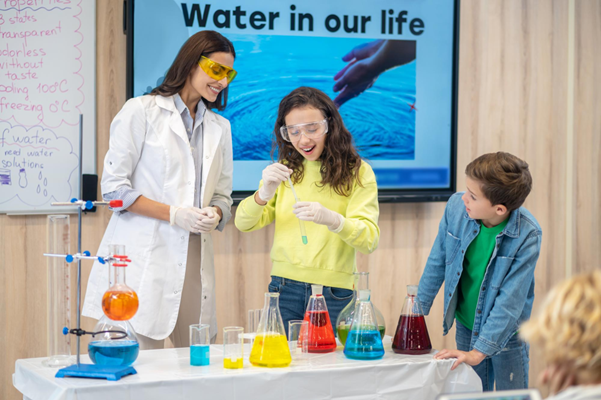
- Offer hands-on experiments that allow students to learn by doing
- Encourage questions without judgment
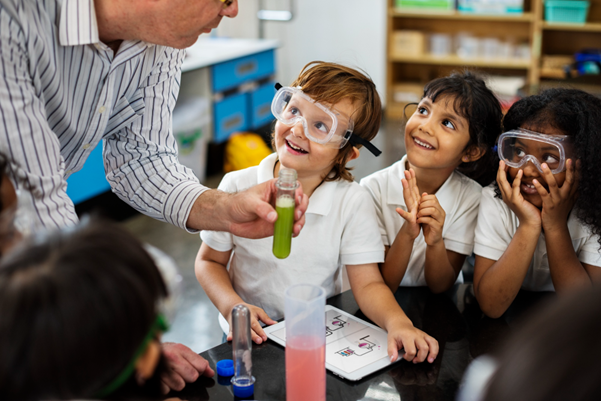
When students feel safe asking “basic” questions, they become more confident learners. Inclusion also means recognizing that students may have different strengths. Some may excel in writing lab reports, while others may shine during experiments or presentations.
By offering multiple ways for students to show understanding—through drawings, models, discussions, or demonstrations—you create a space where different talents are respected.
Embrace Culturally Responsive Teaching Strategies
Every student walks into the classroom carrying their own experiences, traditions, and perspectives. Culturally responsive teaching strategies recognize and celebrate this diversity rather than ignoring it.
Science is often presented as neutral and universal, but the way we teach it can either include or exclude students. For example, when discussing environmental science, teachers can connect lessons to local community issues such as water conservation, farming practices, or pollution in nearby areas. This makes learning more relevant and relatable.
Here are a few ways to integrate cultural responsiveness into science teaching:
- Use examples and case studies from different regions and communities
- Highlight contributions of scientists from diverse backgrounds
- Encourage students to share how scientific concepts relate to their daily lives
- Respect different ways of expressing knowledge
When students see themselves reflected in the curriculum, they feel that their identity matters. This connection strengthens engagement and builds trust between teachers and learners.
Create a Student-Centred Learning Environment
A student-centred learning environment shifts the focus from teacher-led instruction to student-driven exploration. Instead of delivering long lectures, the teacher acts as a guide who supports inquiry and discussion.
In science classrooms, this can look like:
- Allowing students to design parts of experiments
- Encouraging group problem-solving
- Facilitating open-ended questions
- Giving students voice in choosing project topics
When students have ownership over their learning, they become more invested. For example, rather than assigning the same project to everyone, you might allow students to choose a scientific issue they care about. One group might explore renewable energy, while another investigates soil health or robotics.
This approach builds confidence and nurtures curiosity. Students begin to see science not as a rigid subject, but as a tool for discovery.
Apply Differentiated Instruction in STEM
Every classroom includes learners with different abilities, interests, and learning speeds. Differentiated instruction in STEM ensures that teaching methods and materials are adapted to meet these diverse needs.
Differentiation does not mean lowering standards. It means offering varied pathways to achieve the same learning goals.
Some practical strategies include:
- Providing reading materials at different difficulty levels
- Offering step-by-step lab guides for beginners and open-ended challenges for advanced learners
- Using multimedia resources such as videos and interactive simulations
- Giving extra time or alternative formats for assessments
For instance, during a physics lesson on motion, some students might benefit from a visual simulation, while others prefer solving numerical problems. By offering both, you ensure a deeper understanding across the classroom.
Differentiation communicates a powerful message: every student can succeed, even if they learn differently.
Build a Collaborative Classroom Culture
A collaborative classroom culture transforms competition into cooperation. Instead of focusing on who scores the highest marks, students learn to work together, share ideas, and solve problems collectively.
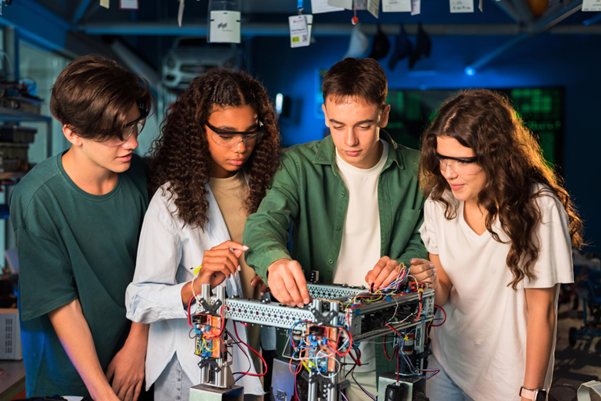
Science naturally lends itself to collaboration. Lab experiments, engineering challenges, and group investigations encourage teamwork. However, collaboration must be intentionally structured.
Here are ways to build collaboration:
- Assign clear roles within group activities
- Rotate leadership responsibilities
- Encourage respectful discussion and active listening
- Celebrate group achievements, not just individual success
When students work together, they learn empathy, communication, and compromise. They also gain confidence by explaining concepts to peers.
Collaboration fosters belonging. Students feel that they are part of a learning community rather than isolated individuals.
Foster Emotional Safety and Respect
Equity is not only academic; it is emotional. Students must feel safe to express ideas without fear of ridicule.
To create emotional safety:
- Establish clear norms for respectful communication
- Address bias or exclusion immediately
- Encourage constructive feedback
- Model inclusive language
When teachers openly acknowledge mistakes and demonstrate humility, students learn that growth is part of learning.
Encourage Growth Mindset in Science
Many students believe they are either “good at science” or not. This fixed mindset limits participation and confidence.
An equitable classroom promotes a growth mindset by:
- Praising effort rather than intelligence
- Highlighting improvement over time
- Sharing stories of scientific discoveries that involved trial and error
- Normalising mistakes as part of experimentation
Science itself is built on failure and revision. Teaching students this reality helps them approach challenges with resilience.
Reflect and Continuously Improve
Building an equitable learning community is an ongoing process. Teachers can reflect by asking:
- Are all students participating actively?
- Whose voices are missing in discussions?
- Are assessments fair and accessible?
- Do classroom materials represent diverse perspectives?
Seeking student feedback can provide valuable insights. When students feel heard, they are more likely to engage meaningfully.
Conclusion
Creating an equitable learning community in your science classroom requires intention, empathy, and adaptability. Through inclusive science instruction, culturally responsive teaching strategies, a student-centred learning environment, differentiated instruction in STEM, and a strong collaborative classroom culture, teachers can ensure that every learner feels valued and capable.
Science education should empower students, not intimidate them. When classrooms become spaces of belonging, curiosity flourishes. Students begin to see themselves as scientists, innovators, and problem-solvers.
Equity in science is not just about equal access to resources. It is about nurturing confidence, honouring diversity, and creating opportunities for every student to thrive. When we build classrooms rooted in respect and inclusion, we prepare young minds not only to understand the world but to improve it.