
How Can Robotics Education Spark Innovation in Young Minds?
Introduction
The world is rapidly changing as technology becomes a central part of everyday life. From smart devices to automated systems, innovation is shaping industries and creating new opportunities. Because of this shift, education systems are increasingly looking for ways to prepare students with skills that encourage creativity, problem-solving, and critical thinking.
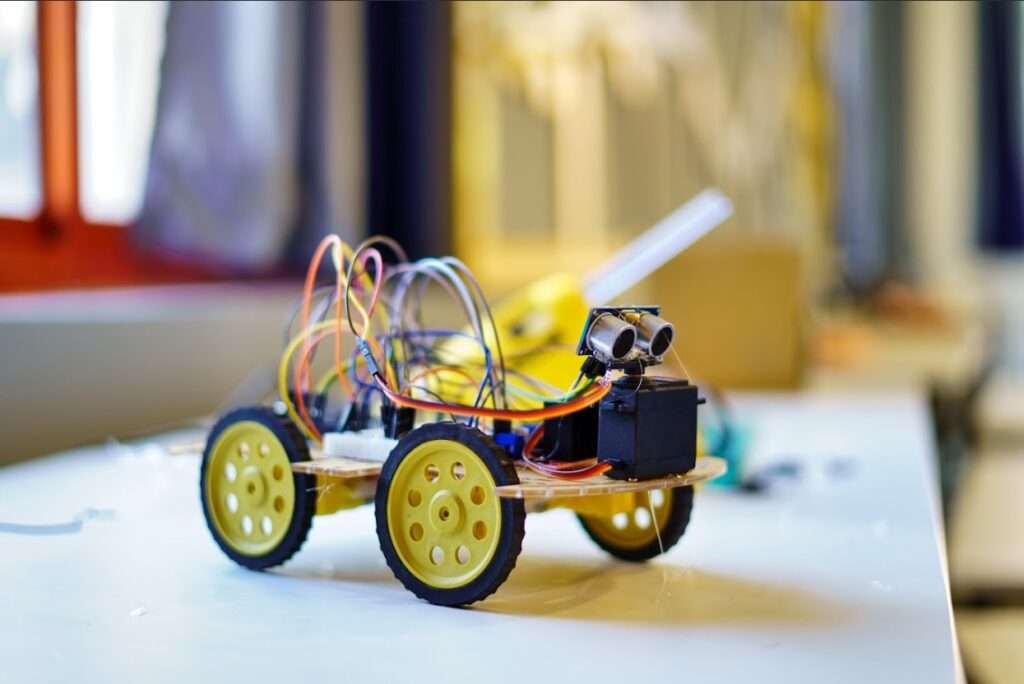
One of the most powerful tools supporting this transformation is robotics education. By combining elements of science, technology, engineering, and mathematics, robotics introduces students to real-world challenges engagingly and interactively. Instead of simply reading about concepts in textbooks, students can build, program, and experiment with machines they create themselves.
Robotics learning environments encourage students to explore ideas, test solutions, and improve designs. This hands-on approach helps learners understand that innovation is not just about having ideas but also about experimenting and refining those ideas until they work effectively.
For young minds, robotics can become a gateway to discovering curiosity, imagination, and confidence in solving complex problems.
Why Robotics Education Matters for Young Learners
Traditional learning methods often focus on theory and memorisation. While these approaches can help students understand concepts, they sometimes limit opportunities for exploration and experimentation.
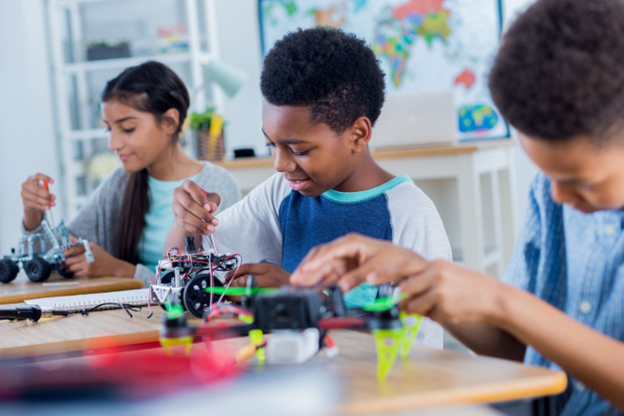
Robotics education introduces a more dynamic way of learning. Students engage with technology directly and apply theoretical knowledge to practical tasks. When they build a robot or program it to complete a challenge, they see how mathematical calculations, engineering principles, and logical thinking come together.
This process helps students develop skills that are valuable not only in technical fields but also in everyday life. They learn how to approach challenges with curiosity and persistence.
Robotics also encourages students to think about how technology can solve real-world problems. From designing robots that assist in medical procedures to machines that support environmental monitoring, robotics introduces students to possibilities that extend far beyond the classroom.
Ways Robotics Can Foster Creative Thinking
Robotics education is particularly powerful because it nurtures creativity while teaching technical skills. It allows students to explore ideas freely while working toward practical outcomes.
Below are several ways robotics can foster creative thinking in young learners.
1. Encourages Hands-On Problem Solving
One of the most valuable aspects of robotics education is that it encourages hands-on problem solving.
When students work with robots, they often face challenges that require experimentation and adjustment. A robot might not move in the direction expected, a sensor might fail to detect an obstacle, or a program might not execute properly.
Instead of simply reading about solutions, students must investigate the problem themselves. They observe what is happening, identify possible causes, and test different approaches to fix the issue.
This process builds resilience and analytical thinking. Students learn that mistakes are part of the learning journey and that each attempt brings them closer to a working solution.
Hands-on problem solving also makes learning more engaging. Students become active participants rather than passive listeners, which strengthens their understanding of concepts.
2. Promotes Design Thinking
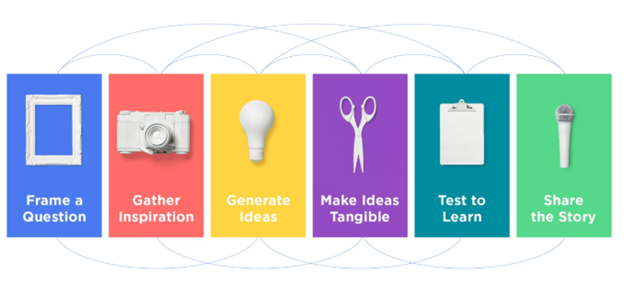
Robotics activities often follow a design process that encourages students to think creatively while solving problems.
Design thinking involves understanding a challenge, brainstorming ideas, creating prototypes, and improving them through testing. In robotics education, students might be asked to design a robot that can navigate a maze, carry objects, or respond to environmental changes.
During this process, students generate multiple ideas and evaluate which solutions might work best. They sketch designs, build prototypes, and modify their creations based on results.
Design thinking encourages learners to explore possibilities rather than settle for the first idea that comes to mind. It teaches them to think creatively while maintaining a practical focus on achieving results.
As students improve their designs, they develop confidence in their ability to transform ideas into functional solutions.
3. Integrates Multiple Disciplines
Robotics education naturally integrates multiple disciplines, making it an ideal platform for interdisciplinary learning.
When building and programming robots, students use concepts from several academic areas. Mathematics helps them calculate movement and angles, science explains how sensors and motors function, engineering guides the structure and mechanics of the robot, and technology supports programming and automation.
This integration helps students see how different subjects connect in real-world applications. Instead of learning topics in isolation, they understand how knowledge from various fields works together to solve complex challenges.
Such interdisciplinary learning encourages broader thinking. Students begin to recognise patterns, relationships, and connections between ideas.
This holistic approach helps them develop flexible thinking skills that are essential for innovation.
4. Builds Collaboration and Communication
Robotics projects often involve teamwork, which helps students develop collaboration and communication skills.
In many robotics activities, students work in small groups to design and build robots. Each team member may take on a specific role, such as programming, assembling components, or testing the robot’s performance.
Working together requires students to share ideas, listen to different perspectives, and coordinate their efforts. They discuss challenges, propose solutions, and make collective decisions about how to improve their designs.
Collaboration also exposes students to diverse ways of thinking. One student may approach a problem logically, while another might suggest a creative alternative.
Communication becomes essential as students explain their reasoning and demonstrate their solutions. These experiences help learners develop confidence in expressing ideas and working effectively with others.
Creating an Environment That Supports Innovation
For robotics education to truly spark innovation, classrooms must provide an environment that encourages exploration and curiosity.
Teachers play an important role in guiding students through robotics activities while allowing them the freedom to experiment. Instead of providing immediate answers, educators can encourage students to investigate problems and discover solutions independently.
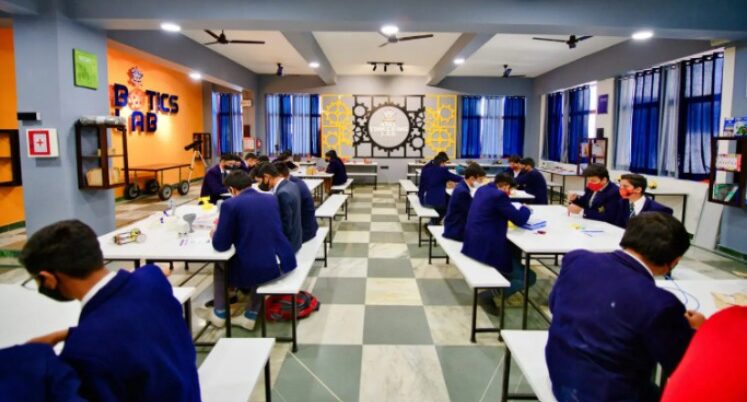
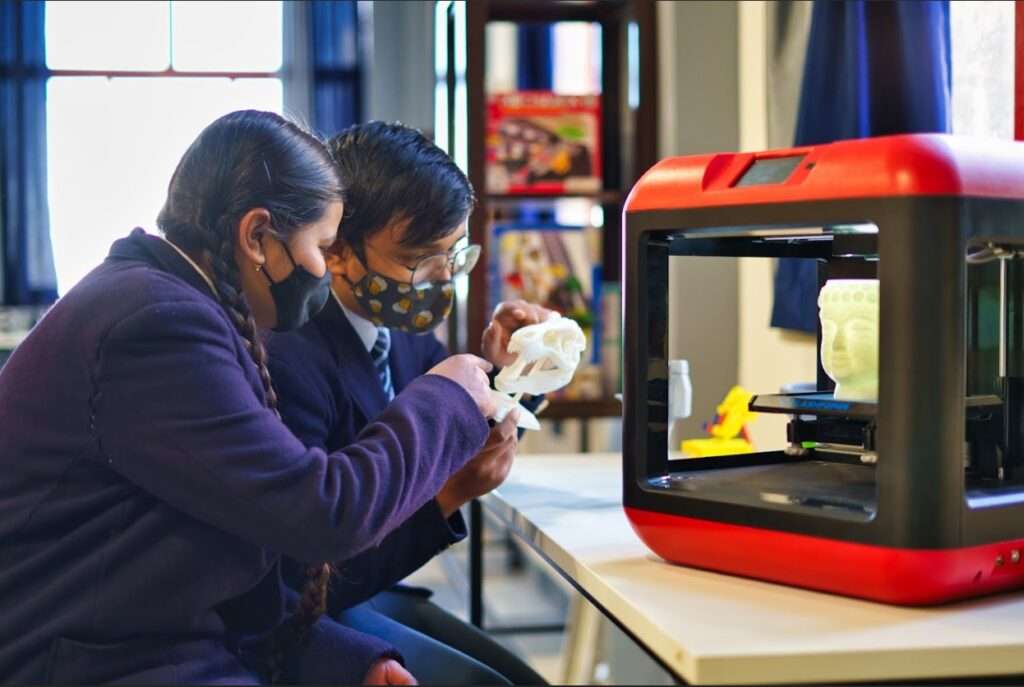
Providing access to robotics kits, programming tools, and collaborative workspaces can also support meaningful learning experiences.
Schools that integrate robotics into regular learning programs often find that students become more enthusiastic about science and technology subjects. Robotics activities bring abstract concepts to life and help learners see the practical impact of their ideas.
The Long-Term Impact of Robotics Learning

Robotics education does more than introduce students to machines and programming. It helps them develop a mindset that values creativity, persistence, and continuous improvement.
Students who engage with robotics learn to approach challenges systematically. They gather information, test ideas, analyze results, and refine their solutions.
These skills are essential in many fields, including engineering, healthcare, environmental science, and artificial intelligence.
Even for students who choose careers outside of technology, the ability to think creatively and solve problems will remain valuable throughout their lives.
Conclusion
Robotics education has the power to transform how students learn and think. By combining technical knowledge with creative exploration, it encourages young learners to become innovators rather than simply consumers of technology.
Through hands-on problem solving, design thinking, interdisciplinary learning, and teamwork, robotics provides students with opportunities to develop essential skills for the future.
As education continues to evolve, robotics can play a crucial role in inspiring curiosity and confidence among young minds.
When students build and program their own robots, they do more than complete a project. They discover that innovation begins with curiosity, grows through experimentation, and thrives when ideas are turned into reality.