Water Xylophone Experiment: A Fun Science and Music Activity for Kids
Introduction: Best Water Xylophone Experiment for Schools & Kids
Hands-on experiments are one of the most effective ways to help children understand scientific concepts while keeping learning enjoyable. The Water Xylophone Experiment is a simple yet powerful activity that combines science, sound, and music, making it ideal for young learners. Using everyday household items, this experiment introduces children to the basics of sound waves, pitch, and vibration through interactive play.
This activity is especially popular in early STEM education because it encourages curiosity, creativity, and critical thinking—all while allowing kids to explore music playfully.
What Is the Water Xylophone Experiment?
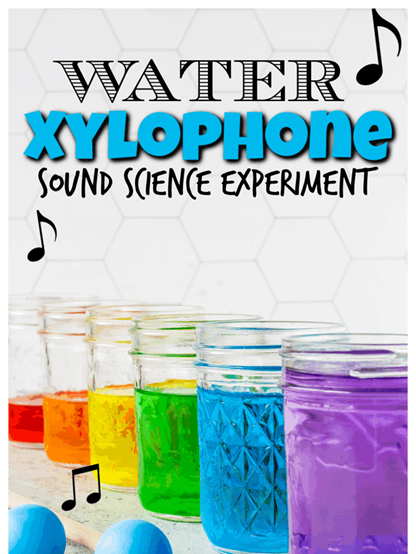
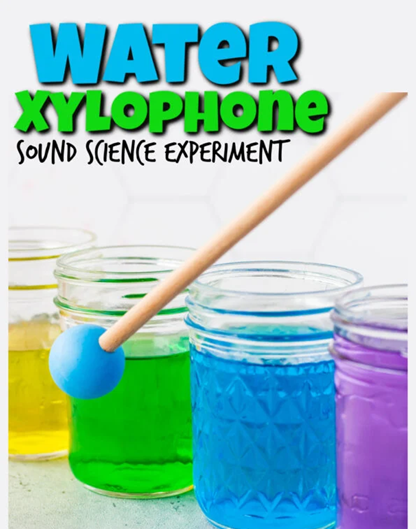
A water xylophone is a homemade musical instrument created by filling glasses or jars with different amounts of water. When gently tapped with a spoon or stick, each container produces a distinct sound. The variation in sound occurs due to changes in water level, which directly affect pitch.
By arranging the glasses in order of pitch, children can create simple melodies and understand how sound changes in response to physical properties.
Educational Value of the Activity
The Water Xylophone experiment supports multiple learning outcomes, making it a valuable addition to classrooms and home learning environments:
- Introduces basic sound science concepts
- Helps children understand pitch and vibration
- Encourages hands-on STEM Education
- Develops listening and observation skills
- Promotes creativity through music exploration
Because the activity is experiential, children learn naturally through observation and experimentation rather than memorisation.
Materials Required
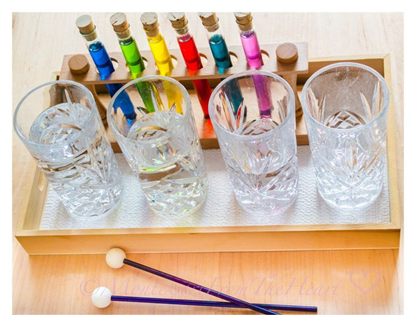
This experiment is intentionally designed to be low-cost and easy to set up. You will need:
- Glass jars or drinking glasses
- Water
- Spoon, stick, or wooden mallet
- Optional: Food colouring for visual appeal
All materials are commonly available, making this an accessible activity for homes, classrooms, and learning centres.
Step-by-Step Procedure
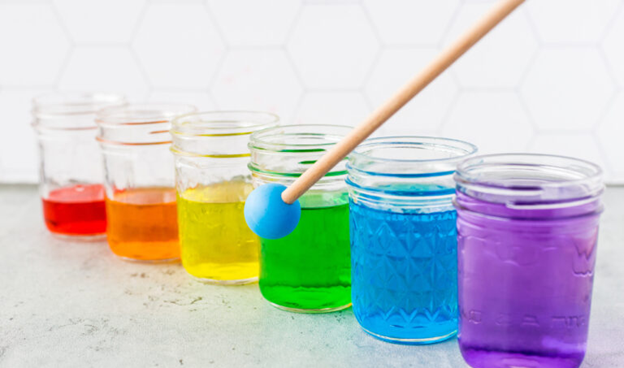
- Arrange the glasses in a straight line on a flat surface.
- Fill each glass with a different amount of water. Start with very little water in the first glass and gradually increase the water level in each following glass.
- Gently tap each glass with a spoon or stick and listen to the sound produced.
- Adjust the water levels if needed to create a clear range of pitches.
- Encourage children to experiment by playing simple tunes or creating their own melodies.
This step-by-step process allows children to actively participate while observing cause-and-effect relationships.
The Science Behind the Water Xylophone
Sound is produced when an object vibrates. When a glass is tapped, it vibrates and produces sound waves. The water inside the glass changes how fast those vibrations occur.
- More water slows down the vibrations, producing a lower pitch
- Less water allows faster vibrations, producing a higher pitch
This experiment visually and audibly demonstrates how pitch depends on vibration frequency, helping children concretely grasp abstract science concepts.
Learning Extensions and Variations
To extend the learning experience, consider trying the following variations:
- Add food colouring to each glass to create a colourful, engaging setup
- Match the sounds to musical notes using a piano or tuning app
- Compare sounds by using different types of containers
- Ask children to predict the sound before tapping each glass
These extensions encourage deeper thinking and exploration beyond the basic experiment.
Who Is This Activity For?
The Water Xylophone experiment is suitable for:
- Preschool and elementary school students
- Parents seeking educational, screen-free activities
- Teachers and homeschool educators
- STEM and music enrichment programs
Its simplicity makes it adaptable for various age groups while still delivering meaningful learning outcomes.
Conclusion
The Water Xylophone Experiment is an excellent example of how science and music can be seamlessly integrated into a fun learning activity. By using simple materials and encouraging hands-on exploration, children gain a foundational understanding of sound while expressing creativity through music.
Whether used in a classroom, at home, or in a STEM workshop, this experiment provides a memorable learning experience that nurtures curiosity and builds confidence in scientific thinking.