Artificial Intelligence Course for Kids in India
Introduction: Why AI Education Matters Today
India is experiencing rapid digital growth. From digital payments to smart classrooms, technology is shaping how we live and learn. Children today are surrounded by smartphones, voice assistants, recommendation systems, and smart devices. However, understanding how these systems work is far more powerful than just using them.
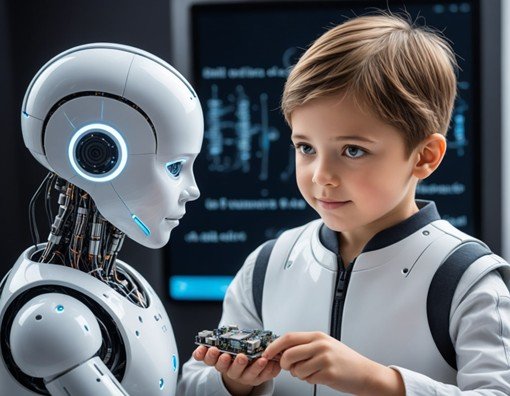
An artificial intelligence course for kids in India helps children move from being technology consumers to technology creators. Instead of only playing games or using apps, they begin to understand how apps are built, how machines make decisions, and how data is used to solve real-world problems.
AI education at an early age builds logical thinking, creativity, and confidence—skills that will be valuable regardless of the career a child chooses in the future.
What is AI for Kids?
Artificial intelligence for kids is a simplified introduction to how machines can think, learn, and make decisions. In advanced fields, AI involves complex mathematics and algorithms, but for children, it is taught using interactive tools, games, and real-life examples.
For example, when a child unlocks a phone using face recognition, that is AI at work. When YouTube suggests videos based on what they watched earlier, that is also AI. In classrooms, teachers explain these everyday examples to help children connect theory with reality.
Instead of focusing on complicated formulas, AI for kids emphasises understanding patterns, logic, and problem-solving. Children learn that computers do not “think” on their own; they follow instructions and learn from data provided by humans.
This understanding removes fear and builds curiosity about how technology works.
AI Learning Programs for Children in India
AI learning programs for children are now widely available across India, both online and offline. These programs are carefully structured according to age groups and learning levels.
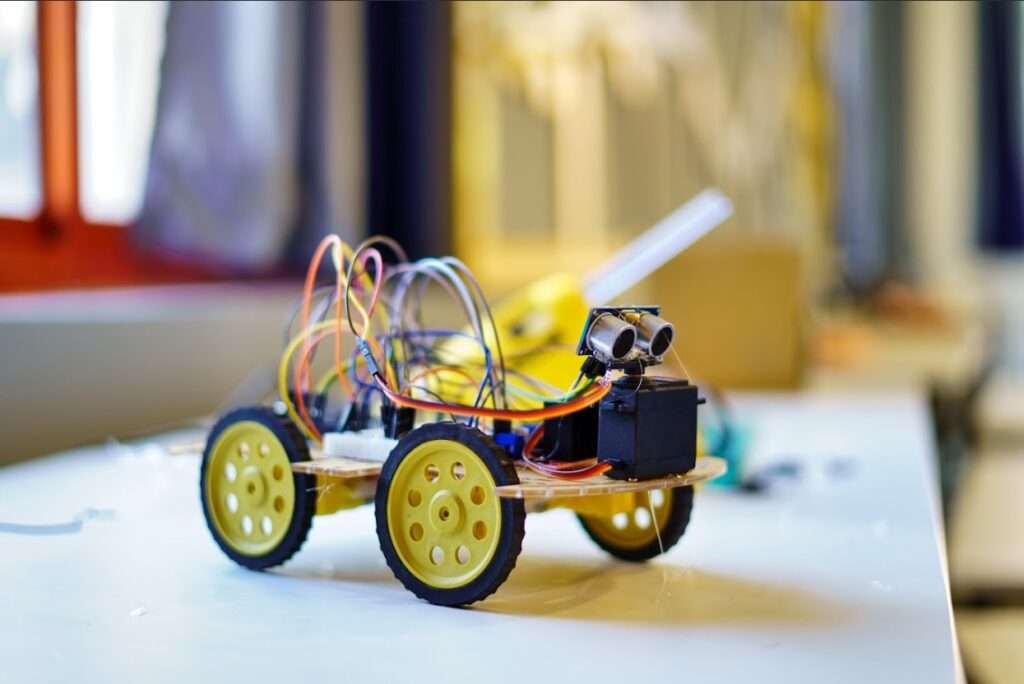
For younger children, the focus is on building logical thinking through visual tools and robotics kits. They might control a small robot, program it to move forward, or design simple decision-making games.
As children grow older, programs become more advanced. They start working on small projects such as creating chatbots, building smart quizzes, or training simple image recognition models. Teenagers may even explore beginner-level machine learning concepts and basic Python programming.
Many programs use project-based learning. Instead of memorising definitions, children build something real. For example, they might design a system that predicts weather patterns using simple datasets or create an app that recommends books to classmates.
This practical exposure builds confidence and makes learning enjoyable.
Coding and Machine Learning for Kids
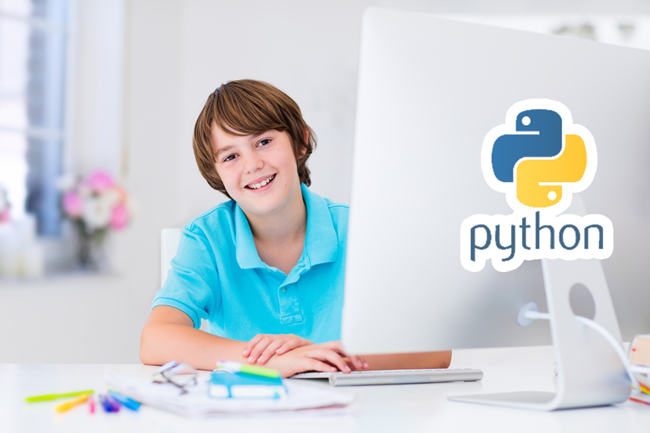
Coding is the foundation of artificial intelligence. Without programming, AI systems cannot function. That is why most artificial intelligence courses introduce coding in a gradual and friendly manner.
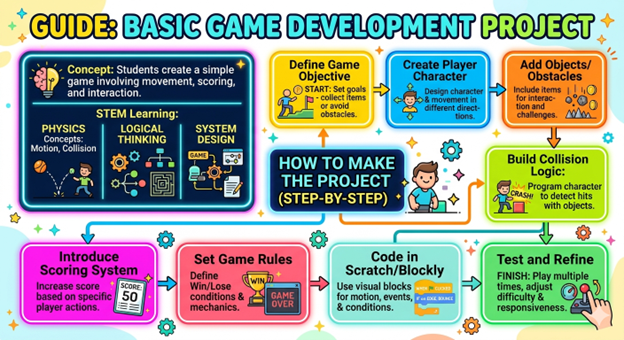
Younger students often begin with block-based coding platforms. These platforms allow them to drag and drop blocks to create programs. This method builds logical sequencing skills without overwhelming them with syntax errors.
As they become comfortable, they move toward text-based programming languages like Python. Python is widely used in artificial intelligence and machine learning, making it an excellent starting point for students.
Machine learning for kids is taught in a practical way. Instead of diving into mathematical formulas, children learn through simple activities. For instance, they may collect images of fruits, label them correctly, and train a small model to identify whether a new image is an apple or a banana.
Through such exercises, children understand that machines learn from examples. They also learn the importance of correct data, accuracy, and testing.
This early exposure develops analytical thinking and introduces them to data-driven decision-making.
STEM Education in India and the Role of AI
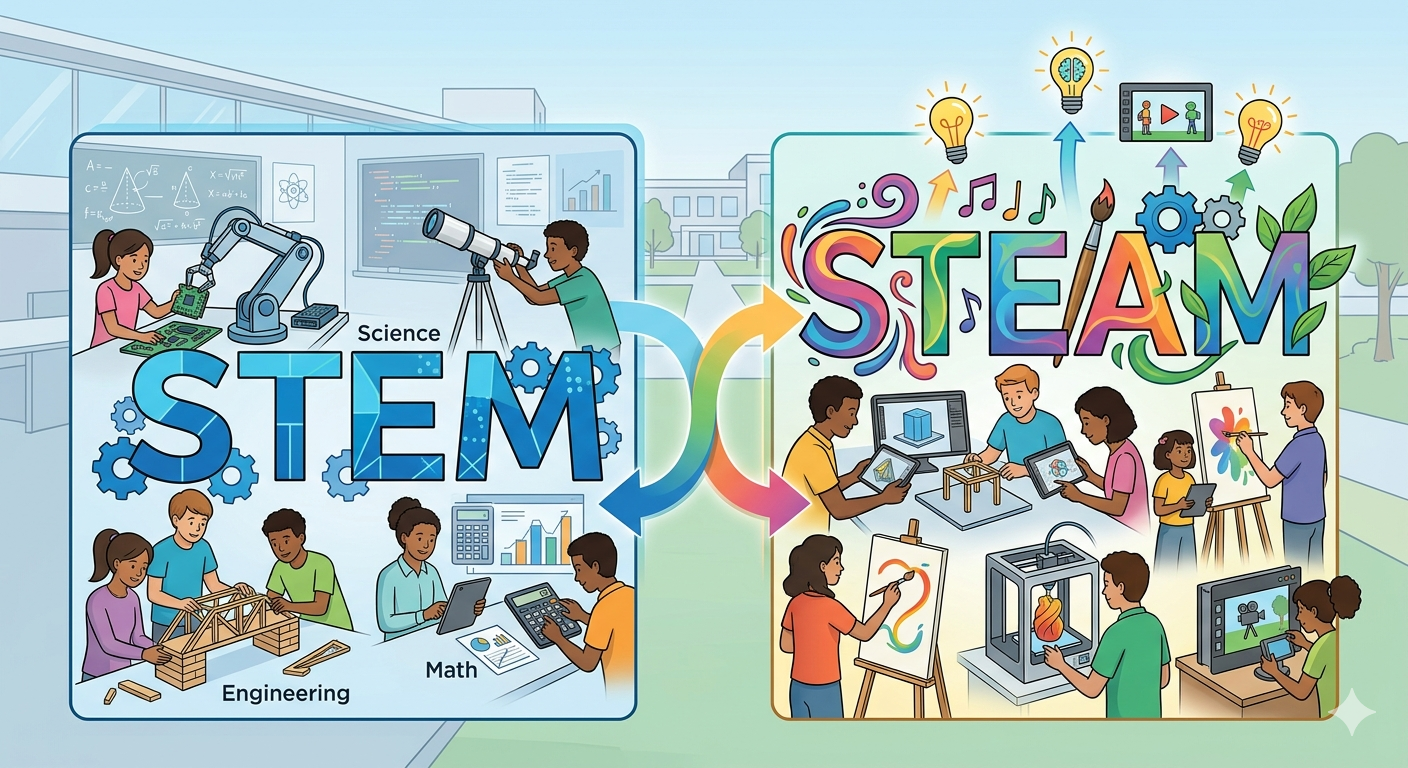
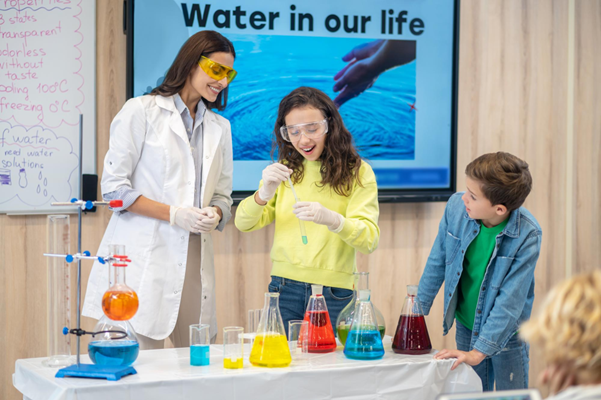
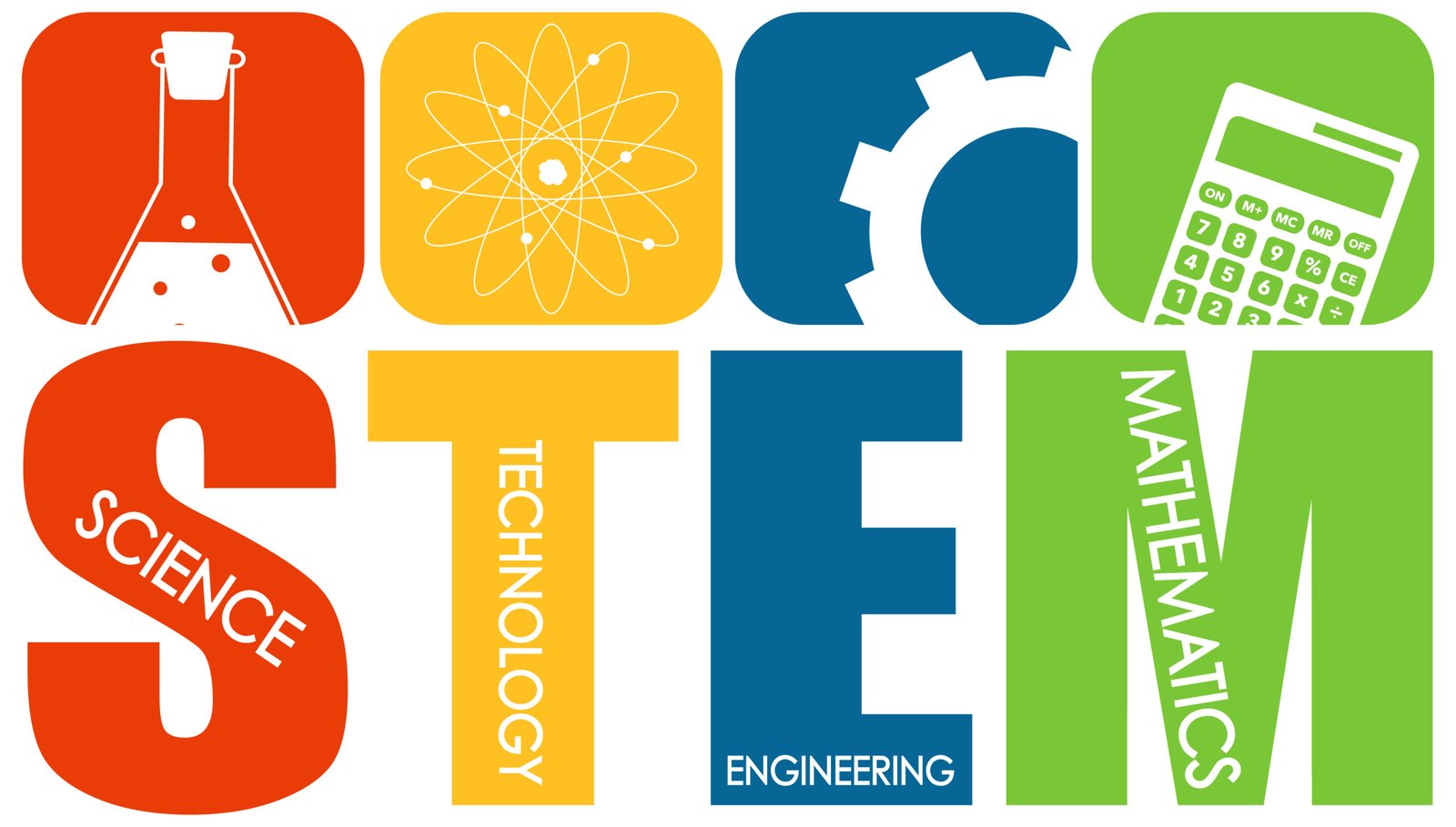
STEM education in India focuses on science, technology, engineering, and mathematics. Artificial intelligence naturally connects all these subjects.
AI uses mathematics for calculations, science for understanding systems, engineering for building solutions, and technology for implementation. Because of this integration, AI strengthens the overall STEM learning experience.
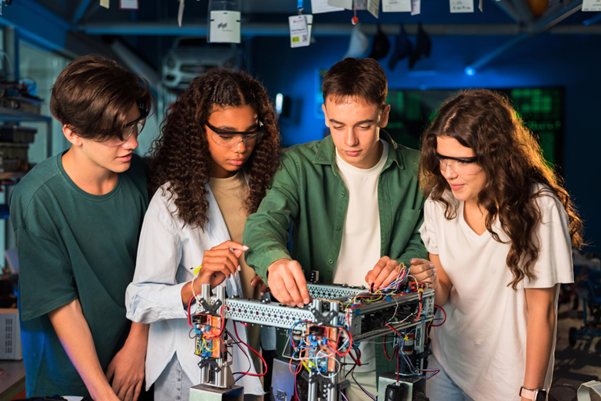
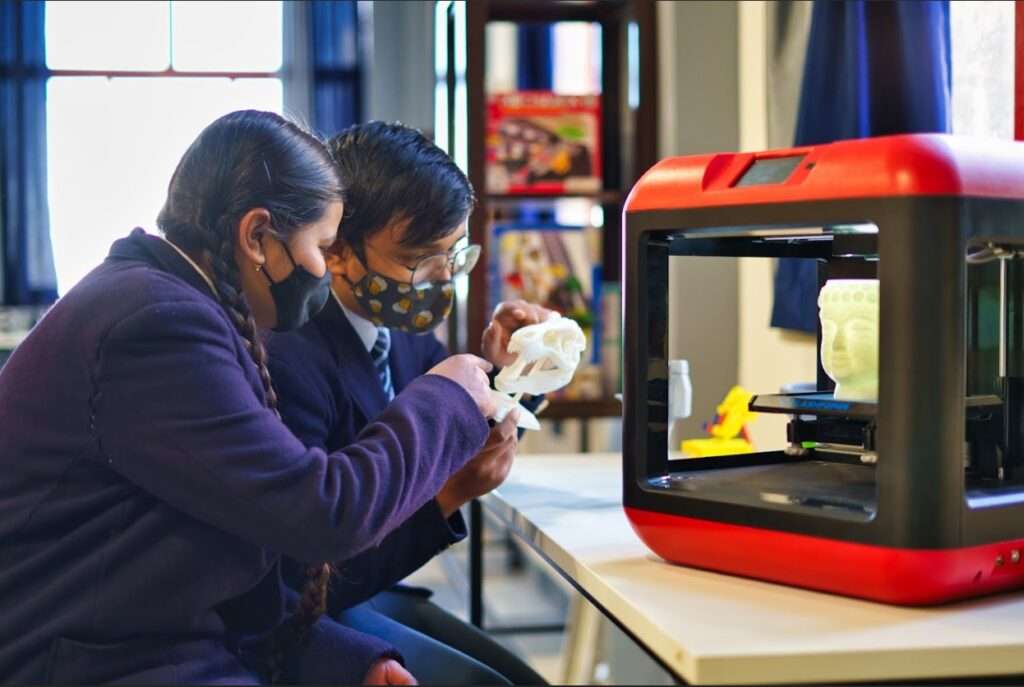
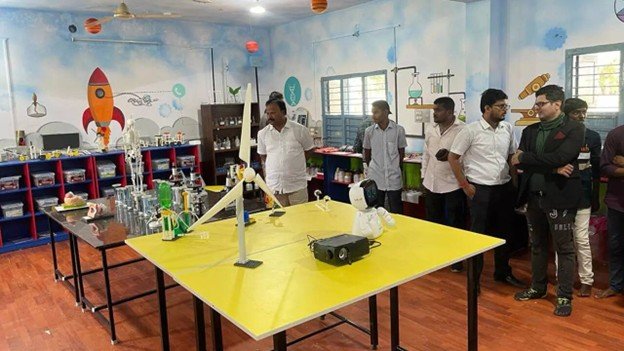
India is actively promoting skill-based learning instead of rote memorization. Schools are setting up robotics labs, coding clubs, and innovation centers. These initiatives aim to prepare students for the evolving job market.
By integrating artificial intelligence into STEM education, students do not just learn theories. They apply concepts in practical situations, making education more meaningful and engaging.
Beginner Artificial Intelligence Classes
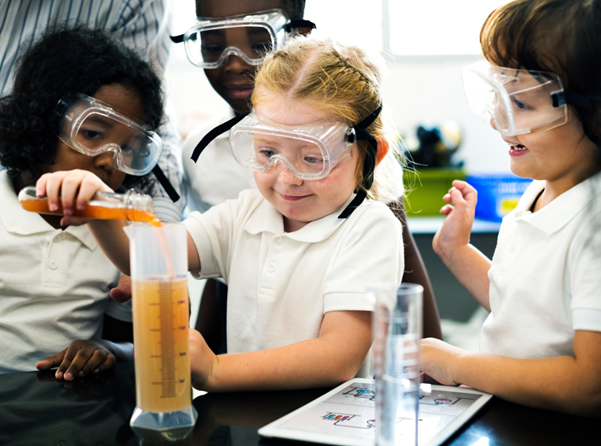
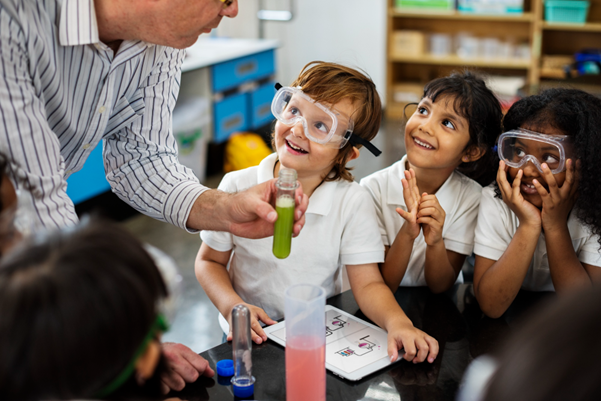
Beginner artificial intelligence classes are designed to make complex topics simple and fun. Teachers use storytelling, real-life examples, and hands-on activities to explain difficult concepts.
For example, a class may start with a discussion about how online shopping websites recommend products. Students then explore how recommendations work by creating a small project that suggests books based on preferences.
Ethics is also introduced at an early stage. Children learn that AI systems must be used responsibly. They discuss topics like privacy, fairness, and the impact of automation on society.
These classes focus not only on technical knowledge but also on developing responsible digital citizens.
Future-Ready Tech Skills for Students
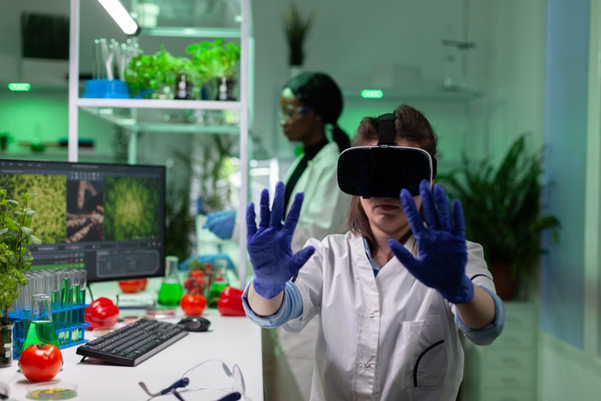
The future job market will demand skills beyond traditional academics. Automation and artificial intelligence are already transforming industries such as healthcare, agriculture, finance, transportation, and education.
By learning artificial intelligence early, students develop future-ready tech skills that include critical thinking, problem-solving, data literacy, and computational reasoning. These skills are valuable not only in technology careers but also in business, medicine, research, and entrepreneurship.
AI education also encourages innovation. Many young students in India are creating apps and solutions that solve local problems, such as water management systems or educational tools for rural communities.
When children learn how to build intelligent systems, they gain confidence. They realise that they can create solutions instead of waiting for others to solve problems.
Conclusion
Artificial intelligence courses for kids in India are more than just a trend. They represent a shift toward practical, skill-based education that prepares children for the future.
By introducing AI concepts through coding, machine learning projects, and STEM-based activities, children develop logical thinking, creativity, and responsibility. They learn how technology works and how to use it ethically.
The world is becoming increasingly digital, and early exposure to artificial intelligence ensures that Indian students are not left behind. With the right guidance, structured programs, and supportive learning environments, children can grow into confident innovators ready to shape the future.