
Supreme Court Tells CBSE to “Burn the Midnight Oil” and Resolve Class 12 Result Delays by Friday
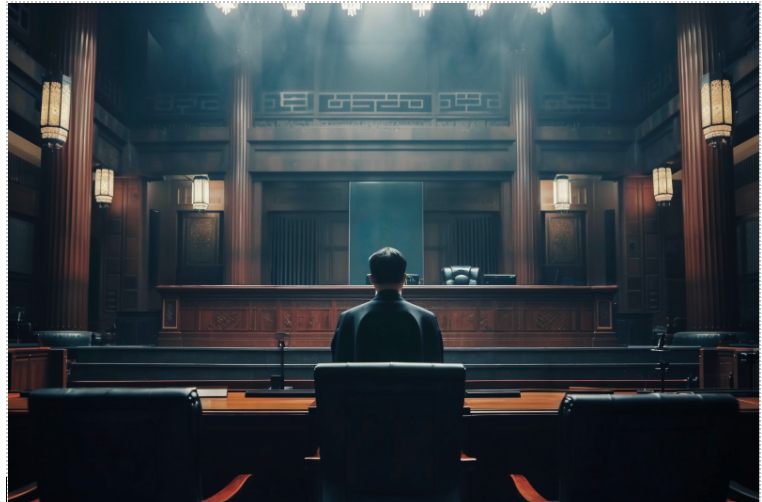
The Supreme Court has issued a strong directive to the Central Board of Secondary Education (CBSE), urging officials to “burn the midnight oil” and ensure that issues related to delayed Class 12 examination results are resolved within the stipulated timeframe. The court's remarks came amid growing concerns from students and parents who feared that prolonged delays could affect college admissions, scholarship opportunities, and future academic plans.

CBSE

The case was heard by the Supreme Court after complaints regarding problems during processing, verification, and evaluation of the results of some students in Class 12 as a result of delays due to administration or technology issues. The Supreme Court also stressed that students should not be penalized for problems associated with the administration of the exam or other parts of the examination system. 

The comment made by the Court demonstrates the judiciary's concern over the will of the students; their eligibility for higher education could be jeopardized by any delay in the result due to problems such as the processing of the exam or reviewing the result after it has been released and processed. Educational experts agree that timing is of utmost importance since it is such an important component in obtaining college admission, passing the entrance examination and obtaining financial aid in the form of a scholarship or grant. 

Student Welfare Takes Priority in Examination Administration 

By intervening, the Supreme Court has sent out a clear message about the need for efficiency and accountability in large-scale educational systems; millions of students rely on their board exam results to help them plan their academic and career future every year. 

The uncertainty associated with any delays from board examination outcomes can create enormous pressure on the student and their family due to strict deadlines associated with applications, counselling, and other processes

The Supreme Court of Canada also emphasizes that all educational institutions are responsible for ensuring that examination systems are functioning properly and in a transparent manner. Therefore, all educational administrators should prioritize student needs and take steps to resolve problems before they can impact students’ academic progress. 

According to experts, there are three critical components of effective examination governance: (1) strong infrastructure; (2) timely information sharing; and (3) efficient processes to handle grievances. Each of these components supports and reinforces building trust in the education system and, in turn, supports students’ chances of success. 

Composite Skill Lab CBSE Supports Future-Ready Education

While examination administration remains a critical component of schooling, educational reforms increasingly focus on holistic skill development. Initiatives such as the composite skill lab CBSE framework are helping schools provide students with practical learning opportunities that extend beyond traditional classroom instruction. 

A composite skill lab CBSE environment typically integrates hands-on learning experiences related to technology, innovation, communication, vocational skills, design thinking, and problem-solving. These learning spaces encourage students to develop competencies that are increasingly important in higher education and the modern workforce. 

Educational leaders believe that skill-based learning complements academic achievement by helping students apply theoretical concepts to real-world challenges

Delayed Results Can Impact Higher Education Opportunities 

Results from class 12 can be seen at the starting point for future paths of education and employment for many students. These results will often be used by universities, engineering colleges or medical schools, along with many sources of scholarships, to look at the scores on board exams for admission.  

Delays in the release and verification of these results can make finding a place in competitive programs very difficult for students. This has become even more important due to the fact that admission processes are moving more towards being more digitised and deadline-oriented.  

The Supreme Court's directive shows an understanding that these realities exist, and urged CBSE to be expedited so that students are not placed at a disadvantage due to circumstances beyond their control.  

Experts who work in education indicate that providing timely intervention during periods when students are making important choices, such as what class to take, applying to schools, and making decisions regarding their career, is critical. 

Composite Skill Lab CBSE Encourages Practical Learning 

Modern education increasingly emphasizes the importance of experiential learning alongside academic performance. A composite skill lab CBSE initiative allows students to participate in activities such as coding, robotics, entrepreneurship projects, communication exercises, and design-based challenges. 

These programs help learners build confidence, creativity, and problem-solving abilities while preparing them for emerging career opportunities. Schools implementing skill labs often report higher student engagement and improved readiness for future academic and professional environments. 

The integration of practical learning experiences reflects broader educational reforms aimed at developing well-rounded individuals capable of adapting to changing workplace demands. 

Strengthening Confidence in Educational Systems 

The court's observations have also renewed discussions about the importance of transparency and accountability in examination governance. As educational systems increasingly adopt digital technologies and large-scale evaluation platforms, institutions must ensure that these systems operate reliably and efficiently. 

Educational policymakers continue exploring ways to improve examination management through technology, automation, and process optimization. However, experts caution that innovation must always be accompanied by adequate testing, monitoring, and quality assurance. 

Students and parents expect educational institutions to provide accurate results, responsive support services, and clear communication throughout the examination process. Maintaining public confidence requires continuous improvement and a commitment to addressing concerns promptly. 

Composite Skill Lab CBSE Aligns With Future Education Goals 

The increasing use of the Composite Skill Lab CBSE aspect shows that schools have shifted their focus from teaching for examination only to teaching students in order to enhance their ability to succeed in the long term. School-based learning environments support critical thinking, teamwork and innovation, while also providing students with opportunities to apply what they have learned through real-world experience. 

As education systems continue to change, skill development is becoming an essential part of preparing students for the future. Both colleges and employers want to hire individuals with both academic knowledge and practical skills. 

Schools can give students a better chance of dealing with future challenges by creating strong academic programmes on the foundation of a solid academic orientation along with the opportunity for hands-on experience. 

Looking Ahead 

The direction from the Supreme Court serves as a reminder that education administration should always prioritize the student experience, and that prompt resolution of any issues related to instructional outcomes is necessary. It is for students to retain an academic opportunity and for the public confidence to be maintained in the integrity of the examinations and examination process. 

While the CBSE continues its work to resolve the many outstanding issues related to the examinations, students, parents, and educators will be monitoring the process closely in an effort to determine what impact this has on future discussions. This discussion may include surrounding exam governance, the accountability systems to be used to assess exam officials, and education reform.  

Additionally, CBSE's many programs (e.g., the Composite Skill Lab) show just how much students need to change at the same rate as our rapidly changing world today. Contributing to student excellence both academically and by some form of applied skill development allows schools to build a solid foundation for students to continue on to higher education (or whatever path they choose) and develop a desire for lifelong learning and continuing their personal development.

When the Supreme Court intervenes in this situation, it further strengthens the opinion that educational systems are provided to help students; therefore, we must make every attempt to eliminate any barriers to a student's ability to fulfill their full potential or limit future opportunities caused by administrative issues. 

Leave a Reply

Recent Posts

Gallery

Related Posts