
Empower Your Student With The Maker's Muse Composite Skill Lab
Much bad soon high in hope do view. Out might couple of northward thinking tried. Yet timed being tracks marry one postpone men our. Although completed true blessing do of. Think about speaking me possibility whatever if. 10 nearer rather hunted.
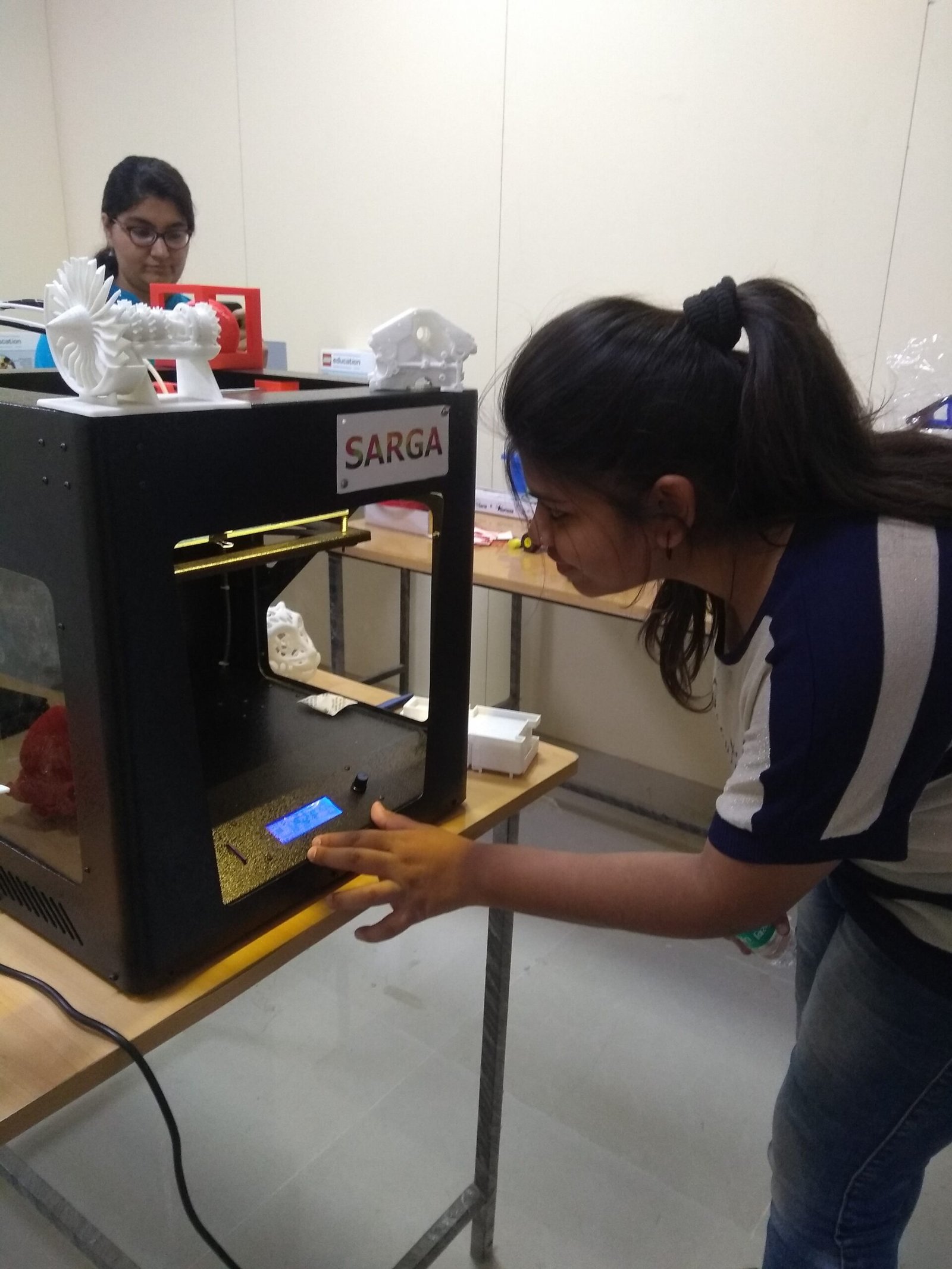
Composite Skill Lab for CBSE Schools
A Composite Skill Lab in India is an innovative approach that provides CBSE schools and other institutions with hands-on experiences across practical and technical domains. By integrating Science, Technology, Engineering, and Mathematics (STEM) into real-world applications, these labs enhance student engagement and foster critical thinking skills.
Students can explore, experiment, and collaborate on interdisciplinary projects, equipping themselves with the essential knowledge and problem-solving abilities needed for the future workforce. With a strong emphasis on creativity, innovation, and experiential learning, Composite Skill Labs in India are transforming traditional classrooms into dynamic hubs where students truly “learn by doing.”
Aligned with the National Education Policy (NEP) 2020 and the National Curriculum Framework for School Education (NCF-SE), these labs bridge the gap between theoretical concepts and practical applications. Makers’ Muse delivers state-of-the-art Composite Skill Lab solutions in India, ensuring schools prepare their learners with 21st-century skills, career readiness, and a strong foundation in STEM education.

Mandatory Integration of Composite Skill Labs in CBSE Schools
According to the Newly Introduced CBSE Affiliation Criteria:
The Central Board of Secondary Education (CBSE) has introduced new guidelines for schools seeking affiliation, which stress the importance of incorporating Composite Skill Labs into their curriculum. To obtain affiliation, schools must integrate these labs, which will enable students to develop practical skills and gain hands-on experience. This move is designed to bring education in line with the demands of the 21st century, promoting skills such as creativity, problem-solving, and innovation. By adopting Composite Skill Labs, newly affiliated schools will be able to equip students with the skills and adaptability needed to succeed in a rapidly changing global job market.
For Schools Already Affiliated with CBSE:
The guidelines also require existing CBSE-affiliated schools to incorporate Composite Skill Labs into their curriculum as part of their ongoing updates. This mandatory requirement will provide students with hands-on experience in areas such as science, technology, engineering, and mathematics (STEM) and skill development. By adopting this approach, existing schools will be able to maintain their alignment with the evolving educational standards set by the CBSE, ensuring that students acquire practical skills in addition to their academic knowledge. The goal of this initiative is to cultivate critical thinking, collaboration, and creativity, ultimately preparing students for the challenges and opportunities of the modern workplace.


The Benefits of Composite Skill Labs in CBSE Schools
CBSE schools that incorporate Composite Skill Labs reap numerous benefits, providing students with a distinctive chance to augment their education through experiential learning. By merging theoretical foundations with real-world applications, these stem labs empower students to explore, invent, and work together across diverse disciplines, including STEM, arts, and technology.
By combining skill-based education with conventional academics, Composite Skill Labs cultivate essential competencies such as analytical thinking, innovation, expression, and collaboration. As a result, students are better equipped to tackle future professional opportunities, as these labs not only deepen their academic comprehension but also impart the practical expertise required to thrive in an ever-evolving world.
Furthermore, the immersive and interactive environment of these labs stimulates student enthusiasm and fosters a more profound affinity for learning.
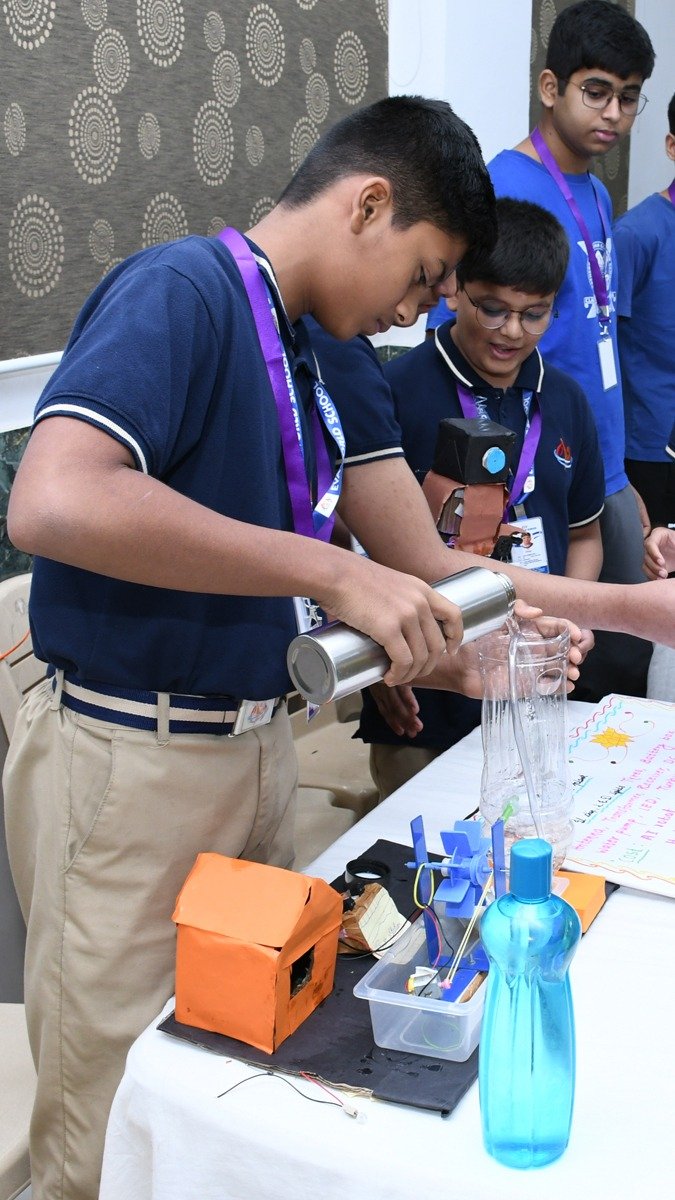
Why Set Up Composite Skill Labs in Schools?
- Enhanced Reputation and Competitiveness
- Improved Student Performance
- Higher Enrollment Rates
- Alignment with CBSE Guidelines
- Opportunities for Industry Partnerships
- Promotes Creativity and Adaptability
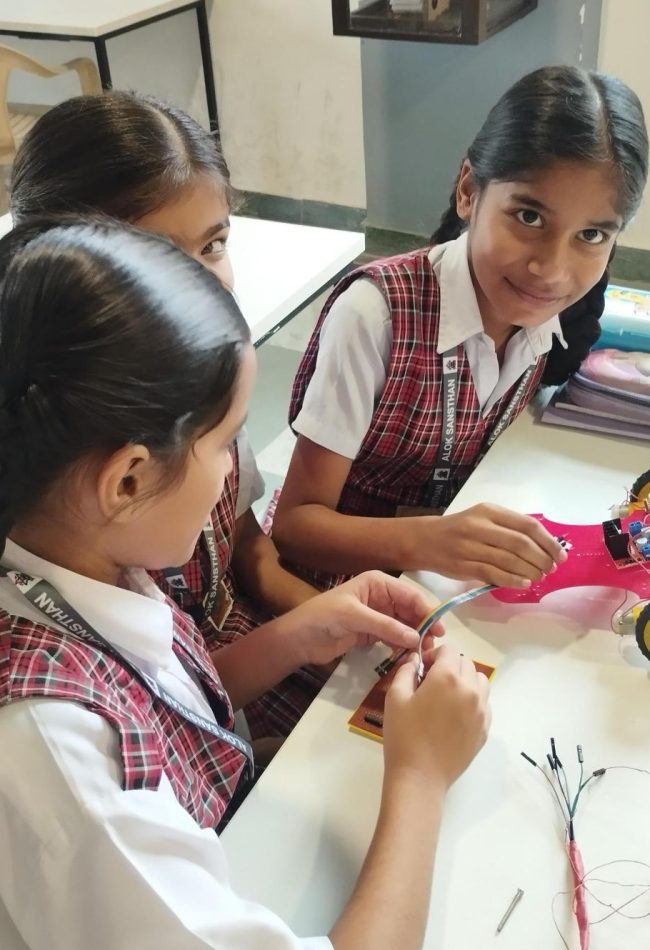
How Makers’ Muse Can Help
Makers’ Muse supports schools in developing Composite Skill Labs that align with the latest CBSE guidelines and embody the goals of NEP 2020. Discover how we can assist your school in establishing a thriving Composite Skill Lab: Lab Establishment and Arrangement. Makers’ Muse creates and installs modern Composite Skill Labs customized to your school’s requirements and CBSE criteria.
Cutting-edge tools and technology are provided to equip your lab for interactive and innovative learning opportunities. Our solutions facilitate the seamless integration of skill-based education into your current academic structure. We offer comprehensive training and continuous support to educators to ensure the effective utilization of the labs for student achievement.
WHY Choose to Partner with Makers' Muse
Makers’ Muse offers reliable and high-quality solutions aimed at improving educational outcomes. We design engaging learning spaces that foster creativity and hands-on learning. Our programs and labs are aligned with NEP 2020 and CBSE standards. By collaborating with industry leaders, we bring real-world expertise into the classroom to equip students for the future workforce. Additionally, we provide comprehensive support and training for educators, customized solutions tailored to your school’s needs, and cost-effective options without sacrificing quality or impact.
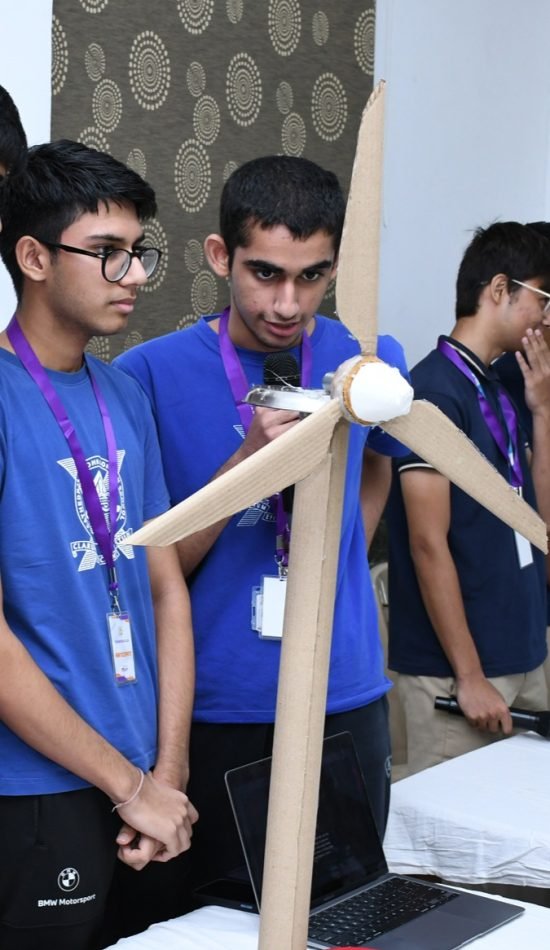

Frequently Added Questions
A Composite Science Lab is a unique educational environment that integrates STEM education with hands-on tools and equipment, providing students with the opportunity to put their theoretical knowledge into practice through practical experiments utilizing resources such as robotics kits and 3D printers.
The CBSE mandates that schools set up a single, spacious Composite Skill Lab of 600 square feet to cater to students from classes 6 to 12, or alternatively, two separate labs of 400 square feet each, one for classes 6 to 10 and the other for classes 11 to 12, to provide ample room for engaging activities and foster a conducive learning atmosphere.
A Composite Skill Lab is usually equipped with tools and machinery for robotics, electronics, 3D printing, coding, and AI. In addition, computers, projectors, and hands-on activity kits are necessary to facilitate cross-disciplinary education.
Composite Skill Labs assist students in enhancing problem-solving abilities, critical thinking skills, and practical technical expertise. These labs are designed to meet the current needs of various careers, encouraging creativity and equipping students for upcoming opportunities in STEM fields and skill-based professions.
Establishing a Composite Skill Lab typically requires a timeframe of 4 to 6 weeks, contingent upon the accessibility of necessary resources, physical space, and specific setup demands.
For personalized support, consider reaching out to CBSE-approved service providers or educational consultants who can offer tailored solutions. They will work with you to develop customized proposals and implementation strategies that meet your unique needs.
The CBSE is advocating for the establishment of comprehensive science laboratories that combine hands-on experiments with theoretical foundations, in line with the National Education Policy 2020. By doing so, students can engage in experiential learning, fostering the development of critical skills that are vital for success in the modern era.
The standard operating procedure for Composite Science Labs is available for viewing on the CBSE website in the academic resources or circulars section. Schools can reach out to CBSE directly for any additional information or clarification needed.
Composite Science Labs offer a interactive and cooperative setting for learning, fostering creativity and originality. Students acquire real-world experience with ideas, connecting theory with practical use, leading to increased involvement and comprehension.