
US Middle School Ignites STEM Learning with Hands-On Rocketry and Space Exploration Program
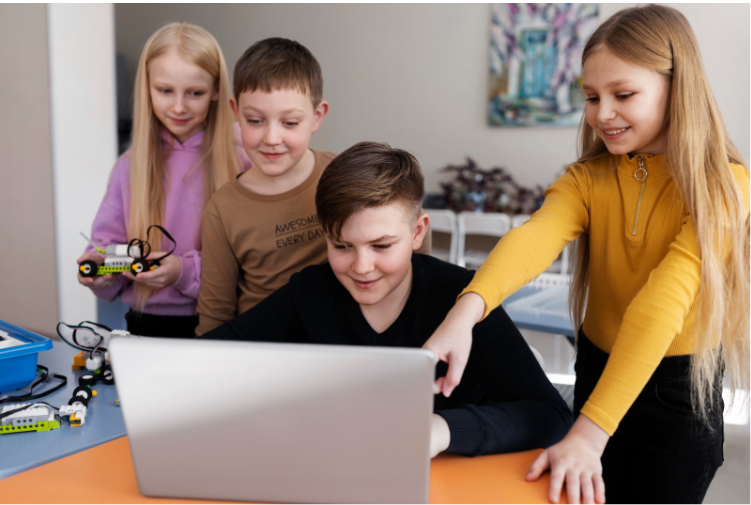
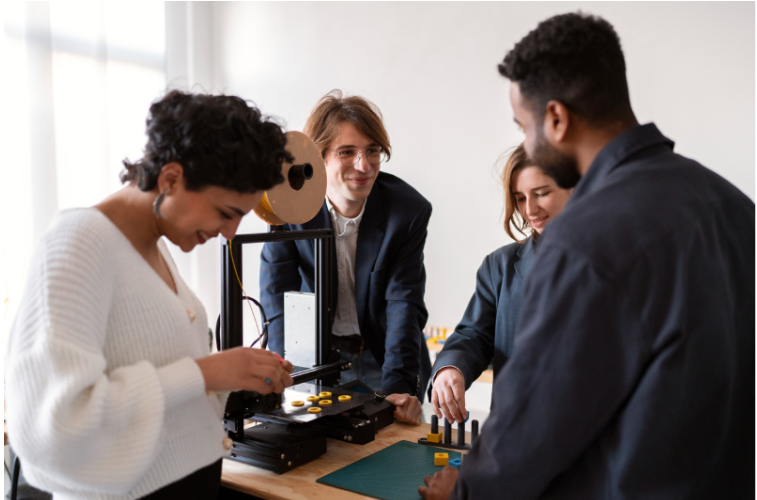
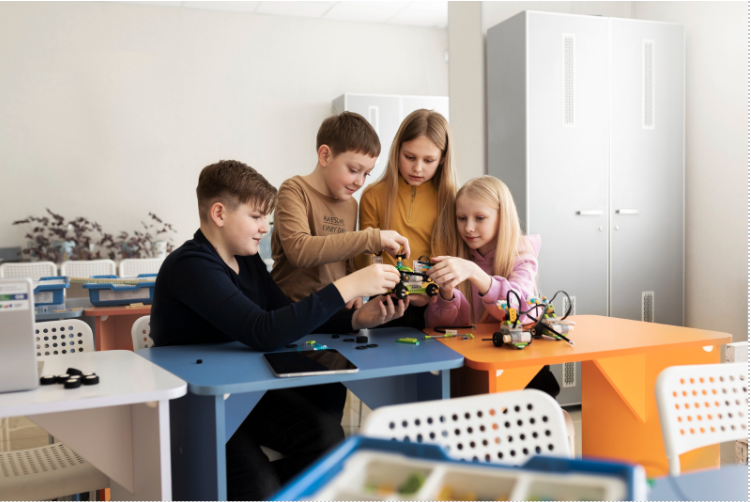
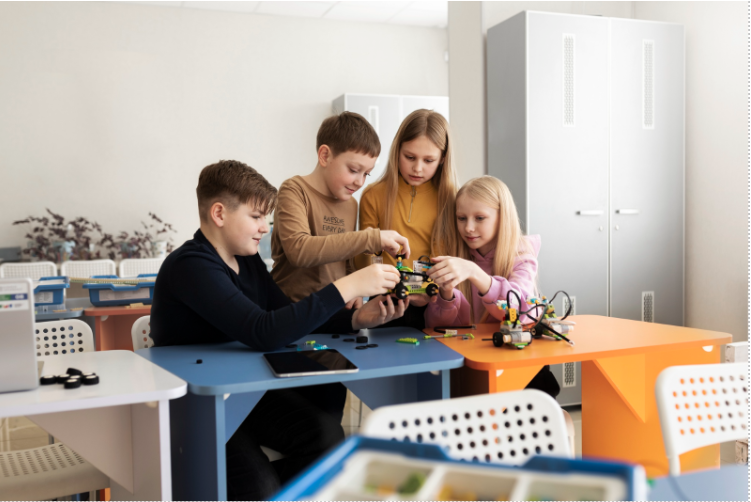
A middle school in the United States is redefining how students experience science education through an innovative “Flight and Space” STEM program that combines classroom learning with real-world experimentation. Introduced as part of the 2025–26 academic year, this program focuses on aerospace concepts such as aerodynamics, rocket design, and space mission planning offering students a unique opportunity to learn by doing rather than just studying theory.
The course is structured across two semesters, beginning with the fundamentals of flight, including the four forces that affect how aircraft operate. Students gradually progress to more advanced topics like rocketry, where they design, build, and launch their own rockets. A key highlight of the program is the inclusion of live rocket launch activities, allowing students to witness firsthand how scientific principles translate into real-world outcomes. This hands-on approach not only increases engagement but also helps students better understand complex STEM concepts.
Beyond building rockets, students are also trained to think like engineers and scientists. They learn to account for variables such as weather conditions, safety measures, and technical failures. For example, if a rocket’s parachute fails to deploy, students analyze the issue, troubleshoot the problem, and refine their designs mirroring real engineering processes. This trial-and-error learning builds resilience, critical thinking, and problem-solving skills that are essential in STEM careers.
One of the most exciting components of the program is its final project a simulated mission to Mars. Students are required to plan every stage of the mission, from launch and navigation to life support systems and sustainability. They explore how astronauts might generate energy, grow food, and survive in harsh space environments. This interdisciplinary project integrates science, engineering, environmental studies, and even elements of mathematics, giving students a holistic understanding of space exploration.
The program also connects students with real-world professionals from the aviation and space industries. Guest speakers, including pilots and space experts, are invited to share their experiences and introduce students to potential career paths. This exposure helps students visualize future opportunities in fields like aerospace engineering, electrical engineering, and space research.
With strong student participation and growing interest, the initiative highlights a global shift toward experiential and project-based STEM education. By combining practical activities with theoretical knowledge, the program not only makes learning more engaging but also prepares students for future careers in high-demand technology sectors. Ultimately, this hands-on approach demonstrates how early exposure to real-world STEM applications can inspire curiosity, innovation, and a lifelong passion for science.