
India Strengthens STEM Education With Hands-On Science Learning Initiatives
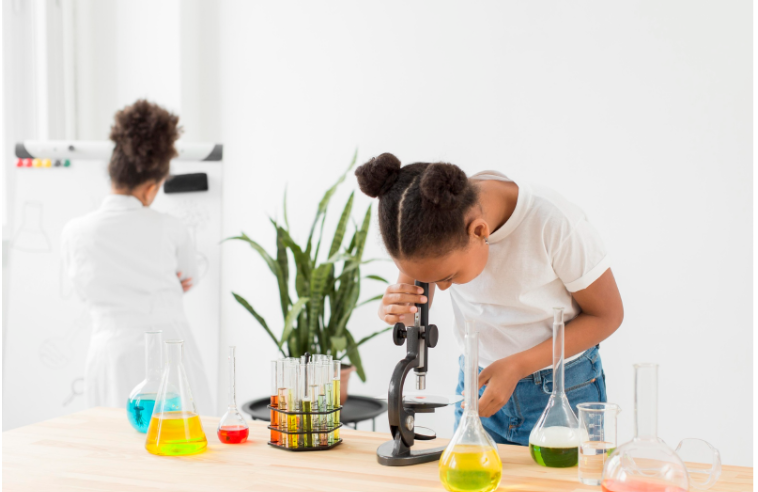
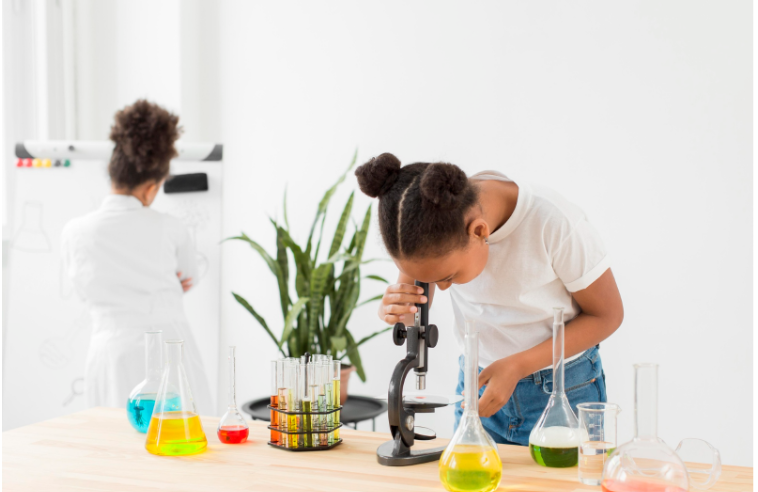
India is accelerating efforts to modernize school education through a series of hands-on science learning initiatives aimed at improving innovation, creativity, and technical skills among students. Governments, educational institutions, and private organizations are increasingly focusing on experiential learning models to strengthen STEM education across urban and rural region
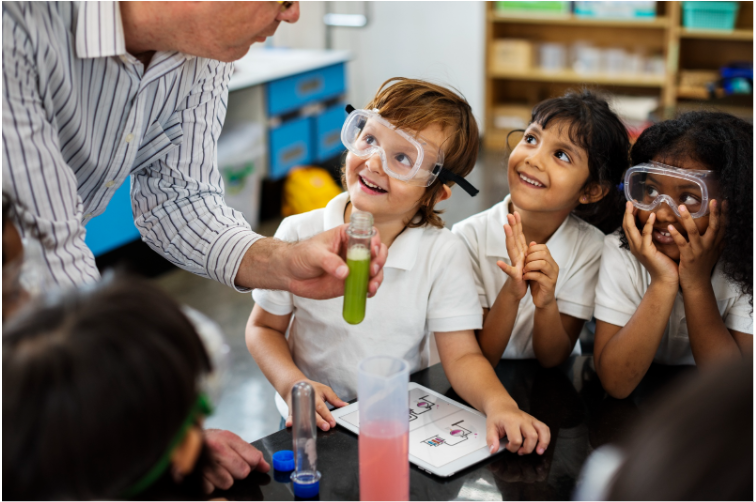
The growing demand for future-ready skills in fields such as artificial intelligence, robotics, biotechnology, and clean energy has encouraged schools to move beyond traditional classroom teaching. Instead of relying only on textbooks and theoretical instruction, schools are now introducing practical learning programs that allow students to experiment, build prototypes, and solve real-world problems
Experts believe this transition is critical for preparing students for rapidly evolving industries and global technological competition. The latest initiatives are also aligned with India’s long-term vision of becoming a global innovation and knowledge hub
STEM Education Programs Focus on Experiential Learning
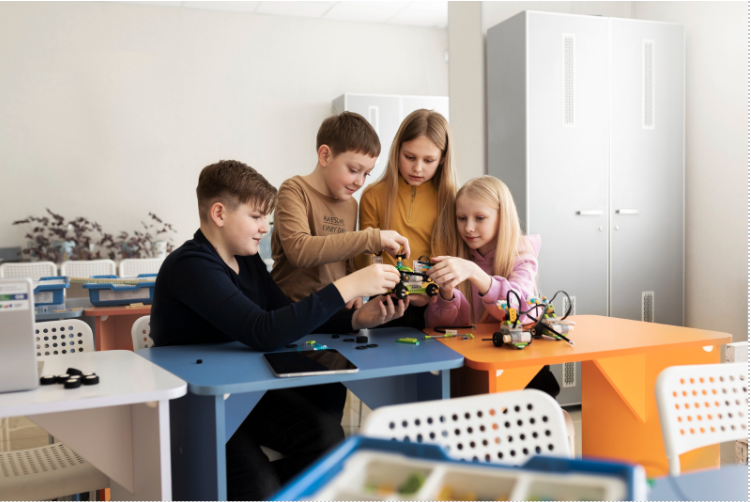
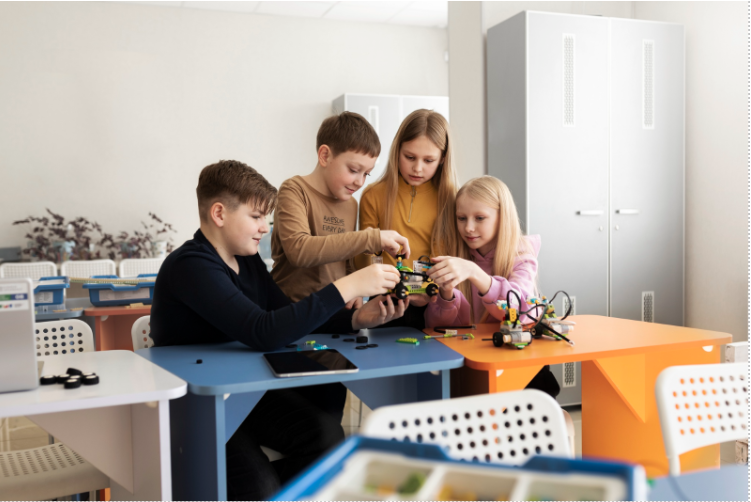
Educational institutions across India are increasingly adopting project-based teaching methods that encourage active participation and scientific exploration. Schools are introducing robotics labs, coding workshops, innovation clubs, and science fairs to help students develop analytical and problem-solving skills from an early age.
Atal Tinkering Labs established under NITI Aayog have become one of the most visible examples of this transformation. These labs provide students with access to tools related to robotics, electronics, 3D printing, artificial intelligence, and Internet of Things technologies.
Several state governments are also launching mobile science laboratories and digital learning platforms to improve access to quality science education in remote areas. Students in smaller towns and rural districts are now getting opportunities to participate in innovation challenges and practical science activities that were previously limited to large urban schools.
Teachers are being trained to use interactive teaching methods that focus on experimentation and teamwork. Education experts say such approaches improve conceptual understanding while making learning more engaging and career-oriented
Many schools are also integrating environmental science and sustainability projects into STEM-focused programs. Students are working on initiatives related to water conservation, renewable energy, waste management, and smart agriculture to better understand the practical applications of science and engineering.
STEM Education in India Expands Through Government Support
The rapid growth of STEM education in india is being driven by strong policy support and increased investment in digital infrastructure. Government initiatives such as the National Education Policy (NEP) 2020, Digital India, and PM eVIDYA are encouraging schools to adopt technology-enabled and skill-based learning systems.
The NEP has particularly emphasized multidisciplinary education and critical thinking, encouraging schools to combine science, mathematics, engineering, arts, and technology into more flexible academic models. Policymakers believe this approach can improve innovation and creativity among students
Private schools and educational technology companies are also playing an important role in expanding STEM learning opportunities. Many institutions are collaborating with global technology firms to introduce AI-based learning tools, coding programs, and research-oriented science activities.
Experts say India’s growing startup ecosystem and digital economy are increasing demand for technically skilled professionals. As industries continue adopting automation and advanced technologies, schools are under pressure to prepare students for careers that require scientific knowledge and innovation capabilities.
Students participating in STEM initiatives are increasingly competing in robotics contests, coding competitions, science exhibitions, and startup incubator programs at national and international levels. These experiences are helping young learners build confidence and practical technical expertise.
Innovation and Technology Reshape Indian Classrooms
Modern classrooms in India are rapidly becoming technology-integrated learning environments. Schools are using virtual labs, AI-powered educational platforms, and simulation-based teaching tools to improve student engagement and understanding.
Experts believe digital technologies can make complex scientific concepts easier to understand through visual and interactive learning experiences. Personalized learning systems are also helping educators identify student strengths and learning gaps more effectively.
In addition to technical education, schools are focusing on communication, leadership, teamwork, and entrepreneurial thinking. Industry leaders have repeatedly highlighted that future professionals will require both technical expertise and collaborative problem-solving skills.
Educational analysts say the expansion of innovation-driven learning could significantly improve India’s competitiveness in global research and technology sectors. Continued investment in science education infrastructure is expected to create stronger opportunities for students from diverse social and economic backgrounds.
Future of STEM Education in India
The continued expansion of STEM education in india reflects the country’s growing commitment to building an innovation-focused education system. Experts predict that schools will further increase investments in practical science learning, advanced technology labs, and interdisciplinary education programs in the coming years.
As India strengthens its digital economy and research capabilities, demand for highly skilled STEM professionals is expected to rise rapidly. Educational institutions are therefore likely to continue prioritizing experiential learning and scientific innovation to prepare students for future industries.
The shift toward hands-on science learning marks an important step in transforming Indian education into a more dynamic, skill-oriented, and globally competitive system. By encouraging curiosity, experimentation, and creativity, these initiatives are helping students develop the capabilities needed to succeed in an increasingly technology-driven world.